


Antique Glass Table Pitcher
These antique glass table pitcher pieces bring period charm to the table, offering versatile serving vessels shaped by Victorian, Edwardian, and Georgian hands.
Antique Glass Table Pitcher
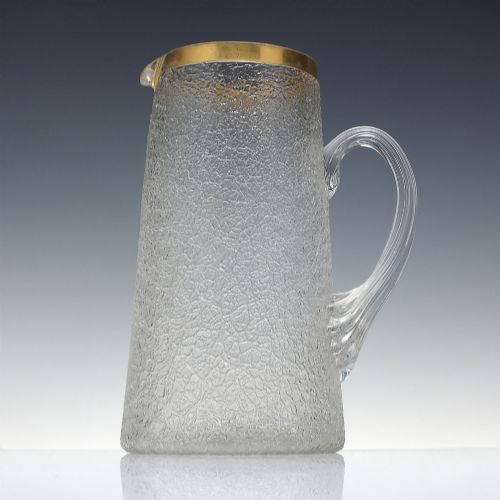
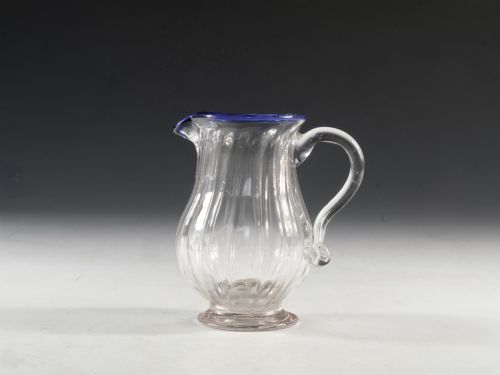
An antique glass table pitcher functions primarily as a serving vessel for wine, water, cider, or cream, appearing across varied forms like claret jugs, decanters, and water jugs. When you search for antique glass table pitcher, you encounter diverse iterations ranging from tall overshot water jugs to blue-rimmed cream jugs and amber decanters.
The objects span multiple periods, with Victorian and Edwardian examples appearing frequently alongside 18th-century and 19th-century pieces. Makers utilised specific styles such as Victorian Rococo Revival and 19th Century French alongside Georgian and Edwardian designs to shape these functional containers.
Forms extend beyond simple pitchers to include decorative ewers, ewers and decanters, and ornamental ewer lamps. Such pieces reflect domestic dining habits of the past, serving liquids at the table or functioning as decorative table ornaments.
How they were made
Glass production for these vessels relies on materials like lead glass, lead crystal, amber glass, blue glass, and cranberry glass. Artisans shaped these glass bodies through blowing and moulding techniques before applying decorative treatments.
Metal mounts, silver plate, and gold leaf frequently complement the glass bodies. Craftsmen added gilded rims, silver mounts, and scrolled metal designs to enhance the visual weight and structural finish of the jugs.
Some late 19th-century blue glass ewers abandoned the dining table entirely to live second lives as ornamental lamps.
What varies in quality
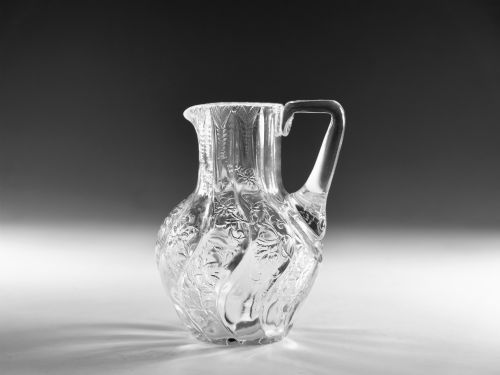
Quality rests in the clarity and weight of the glass body, alongside the crispness of any cut glass facets or overshot textures. Superior examples display harmonious proportions between the glass vessel and any added metal mounts or silver-plated handles.
The execution of secondary details, such as gilded rims, applied blue or cranberry glass borders, and scroll designs, distinguishes standard domestic wares from more ambitious production. The integration of metalwork with lead glass or lead crystal indicates the maker's level of skill.
Stevens & Williams
The Antique Glass Table Pitcher Glossary
- Lead glass
- Glass containing lead oxide to increase brilliance and weight. This material allows for deeper cutting and clearer ringing when struck.
- Ewer
- A large jug with a wide spout and handle, traditionally used for holding water or wine. In later periods, these served ornamental as well as practical roles.
- Oshot glass
- Glass featuring a textured, frosted surface created by rolling hot glass over fine glass threads. This technique gives the surface a tactile, feathered appearance.
- Silver plate
- A thin layer of silver fused to a base metal, commonly utilised for mounts and handles on jugs. It provided the appearance of solid silver at a lower cost.
Antique Glass Table Pitcher: Frequently Asked Questions
What is an antique glass table pitcher used for?
These vessels served primarily for pouring water, wine, cider, or cream during formal and domestic meals. Some variations functioned more as decorative ewers or ornamental lamps.
Their practical application dictated their size and handle placement, ensuring steady pouring at the dining table.
How do I identify a Victorian glass jug?
Victorian pieces often display characteristic stylistic markers such as Rococo Revival curves, overshot textures, or rich colours like cranberry and amber. Examining the weight of the lead glass helps confirm the era.
Matching the object type, such as claret jugs or ewers, with period mounting styles assists in dating.
Are silver mounts common on these pitchers?
Silver plate and silver mounts appear frequently on Edwardian and Victorian claret jugs and water pitchers. These mounts were fitted securely around the neck and handled sections.
The combination of cut glass and silver plate was a popular choice for dining table presentation.
How should I care for an antique glass pitcher?
Gentle hand washing in lukewarm water with mild soap preserves the delicate glass surfaces, gilded rims, and silver plate. Avoid abrasive sponges that might scratch the lead crystal or lead glass.
Storing the vessel away from direct heat protects any applied gold leaf and delicate handle joins.