


Late Victorian Cream Jug
These late victorian cream jug pieces bring nineteenth-century table service to life through sterling silver, porcelain and plate.
Late Victorian Cream Jug
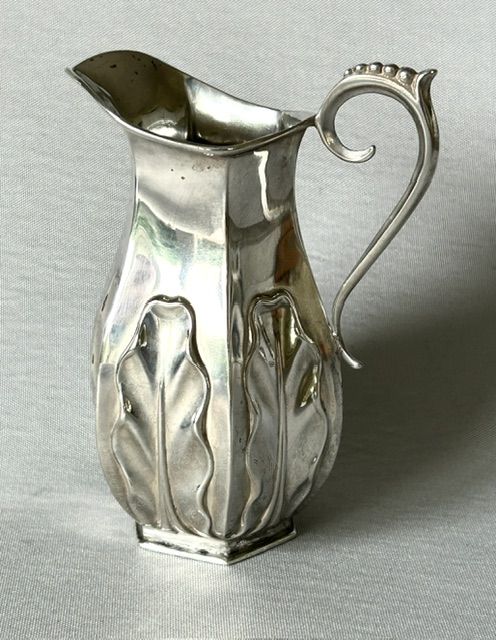
A late victorian cream jug serves milk or cream at tea and forms part of larger tea sets, strawberry sets or dessert sets. You encounter these pieces in sterling silver, silver plate, and ceramics such as porcelain, stoneware, jasperware and blush ivory.
The objects span the closing decades of the nineteenth century, including the eighteen-nineties and the turn of the century. They appear in Victorian, late Victorian, Victorian Neoclassical and Victorian Aesthetic Movement styles.
How they were made
Makers utilised sterling silver and electroplated nickel silver alongside ceramics like porcelain and stoneware. Pieces often feature hand-painted decoration, gold leaf accents or enamel work.
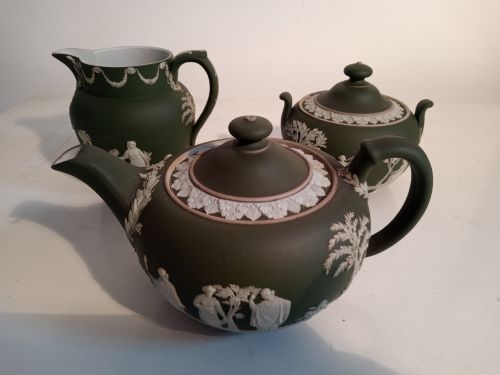
Ceramic items utilise specialised bodies such as jasperware and blush ivory, while metal pieces rely on traditional silversmithing and plating techniques.
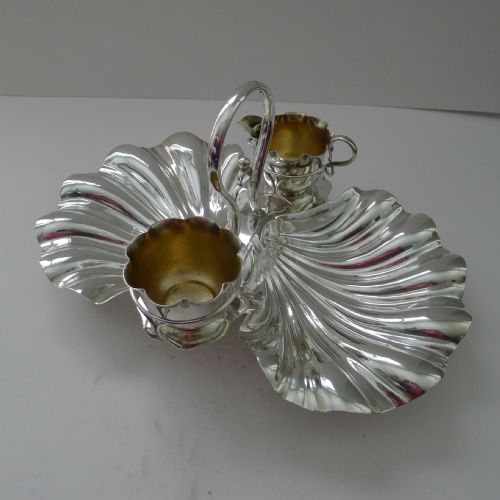
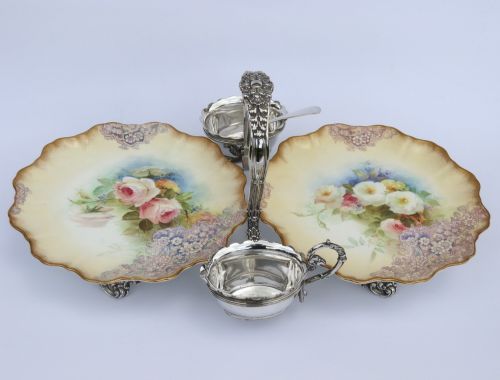
Some nineteenth-century strawberry sets thoughtfully include dedicated plates for the fruit alongside the jug and bowl.
What varies in quality
Quality rests on the crispness of metal chasing or the precision of hand-painted ceramic details such as those found on Doulton Burslem or Royal Worcester items. The choice of material, from solid sterling silver to silver plate and fine porcelain, marks distinct tiers in the range.
The presence of registered marks, maker stamps and cohesive sets, such as matching cream and sugar bowls or complete tea sets, elevates a piece above standard individual vessels.
Daniel Arter·Walker and Hall·John Rawlings·Royal Worcester·Doulton Burslem·Thomas Ducrow
The Late Victorian Cream Jug Glossary
- Sterling silver
- A silver alloy containing 92.5 percent pure silver by mass, standard for high-end British domestic metalware of the period.
- Electroplated nickel silver
- A base metal of nickel silver coated with a layer of pure silver through an electrolytic process.
- Jasperware
- A type of stoneware developed by Wedgwood, noted for its matte surface and characteristic contrasting raised reliefs.
- Blush ivory
- A style of ceramic finish developed by Royal Worcester featuring soft cream and ivory tones highlighted with gold leaf.
Late Victorian Cream Jug: Frequently Asked Questions
How do I use a cream jug today?
These jugs function well on the dining table for serving cream, milk or sauces during tea and dessert service. They also suit display use as decorative pitchers and ewers within a cabinet.
Their compact size makes them practical for everyday dining while adding nineteenth-century character to modern table settings.
What materials are these jugs made from?
The pieces appear in solid sterling silver, silver plate and electroplated nickel silver. Ceramic versions utilise porcelain, stoneware, jasperware and blush ivory.
Some examples incorporate additional surface decoration such as hand-painted details, gold leaf and enamel.
How can I tell the period?
Dating relies on stylistic markers from the late nineteenth century, including Victorian Neoclassical and Aesthetic Movement designs. Maker marks, hallmarks and specific pottery ciphers offer further chronological clues.
Ceramic bodies like blush ivory and olive green jasperware tie pieces firmly to the eighteen-nineties.
Are these jugs part of larger sets?
Many cream jugs originate alongside matching sugar bowls, tea sets, strawberry sets or dessert services. Surviving multi-piece groups bring together ceramic plates and metalware.
Individual jugs also appear as standalone pieces from various silversmiths and potteries.