




Antique Glass Stopper Flask
An antique glass stopper flask holds fragrance or spirit with undeniable tactile weight, combining glasswork and metal mountings from centuries past.
Antique Glass Stopper Flask
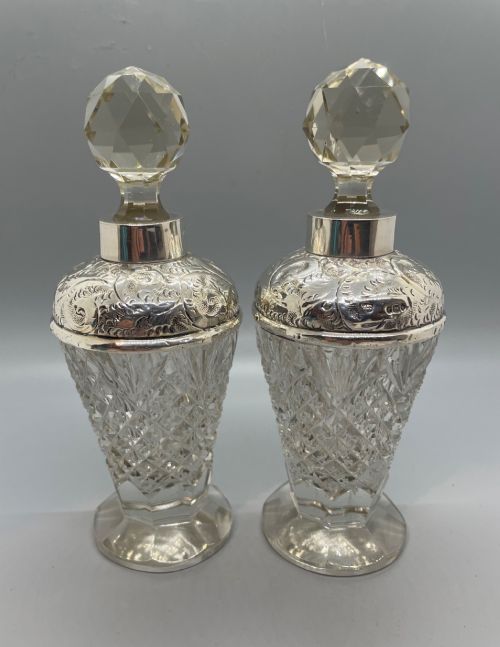
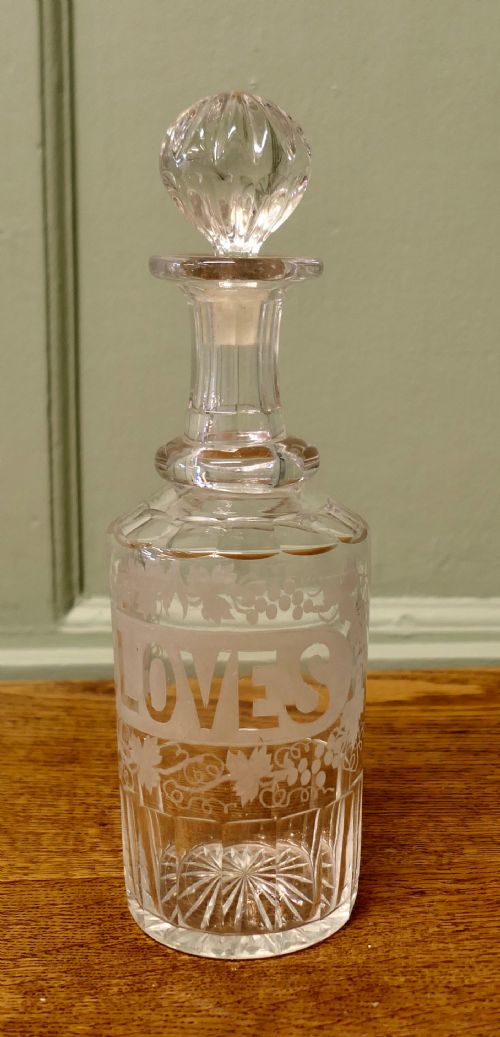
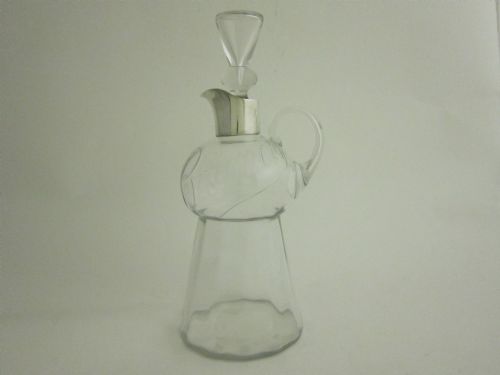
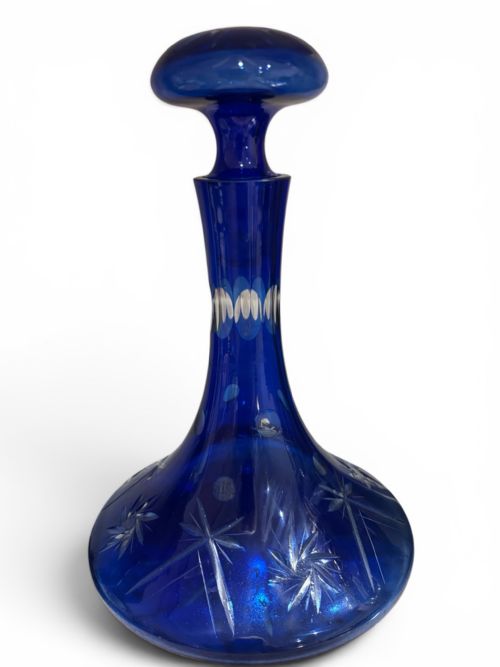
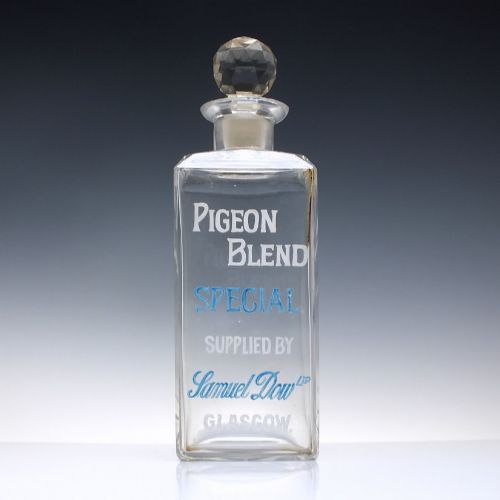
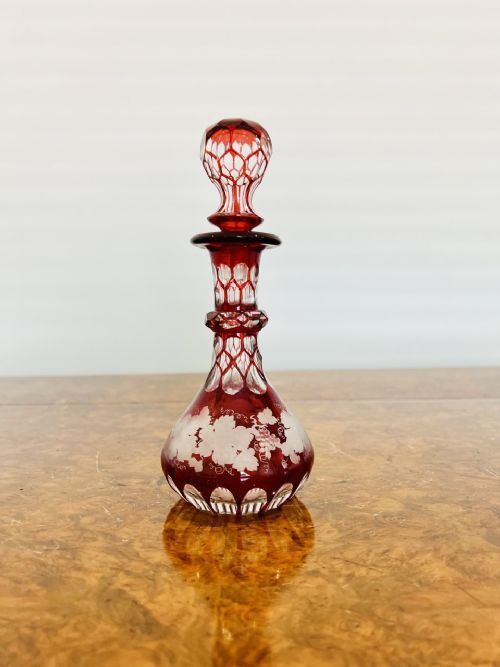
An antique glass stopper flask spans several functional categories, appearing most frequently on this page as decanters, perfume bottles, and scent bottles. These vessels range from intimate Victorian silver-mounted pocket pieces to substantial barware and spirit bottles destined for sideboards.
Makers shaped these items across distinct stylistic movements including Victorian, Edwardian, and Art Deco periods. Buyers encounter diverse regional origins, from English and Scottish glasshouses to Bohemian, French, and Czech ateliers.
The defining characteristic across these objects remains the marriage of a glass body with a secure stopper. Whether utilising a simple ground glass fitment or a complex silver-mounted closure, each piece serves a dual purpose of preservation and display.
What varies in quality
The refinement of the glass body and the precision of the stopper fit set the baseline for quality. Crisp cutting, even colour saturation, and sophisticated mould design distinguish superior examples from standard production.
The integration of precious metal mounts and hand-painted enamel decoration reveals the artisan's hand. Signed works by master designers demonstrate elevated artistic vision compared to unmarked commercial output.
Some Victorian flasks contained smelling salts to revive passengers overcome by tight corsets on bumpy carriage rides.
Karl Palda·Rene Lalique·Sabino
The Antique Glass Stopper Flask Glossary
- Stopper
- The ground glass or metal-fitted plug that seals the neck of the flask. A matching numbered or original stopper preserves the integrity of the piece.
- Decanter
- A vessel designed for holding and serving spirits or wine. These often feature heavier glass bodies and larger capacities than pocket scent bottles.
- Scent bottle
- A small container created for perfume or smelling salts, typically fitted with a secure screw or hinged cap. Many Victorian examples include internal glass stoppers beneath outer metal lids.
- Opalescent glass
- A translucent glass that displays milky, bluish, or fire-like highlights when turned in the light. This effect became prominent during the Art Deco era.
- Enamel
- Opaque vitreous material fused to metal or glass surfaces through heat. Artisans applied polychrome enamel painting to create pictorial scenes and floral motifs.
Antique Glass Stopper Flask: Frequently Asked Questions
Are these stoppers original to the flasks?
Many flasks retain their original ground glass stoppers, which often bear matching assembly marks or grinding patterns near the base. A correct fit should sit flush without excessive wobble or sticking.
Replacement stoppers occur frequently in historical barware. Examine the wear around the neck interior to determine if the current closure matches the age of the glass body.
How do I date an antique glass flask?
Examine the hallmarks on silver mounts, which provide exact assay office marks and years for British pieces. Stylistic cues such as heavy Victorian etching or streamlined Art Deco moulding also narrow the production era.
Signature marks on the glass base point toward specific glasshouses or independent designers. Compare the manufacturing technique against known period styles to confirm the decade.
Can I still use these for perfume or spirits?
Most antique perfume bottles and decanters function well for modern use provided the seals remain intact. Check the ground glass fit or cork seals for degradation before filling.
Store valuable or painted pieces away from direct sunlight to prevent fading. Ensure volatile liquids like perfume do not sit against fragile enamel work for prolonged periods.