
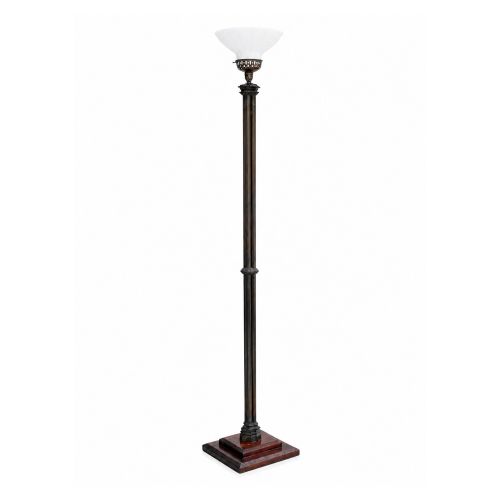
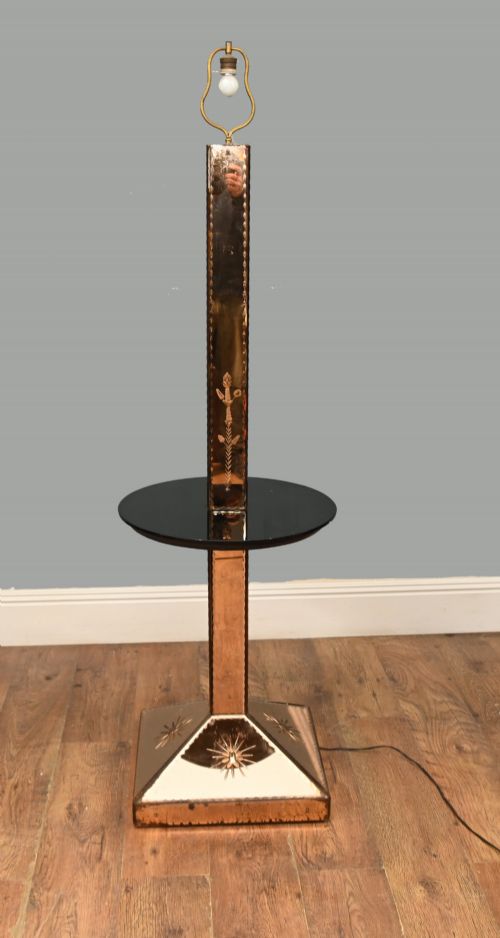


Antique Glass Standard Lamp
An antique glass standard lamp brings height and ambient light to a room, uniting functional brass or chrome stands with glowing glass reservoirs and shades.
Antique Glass Standard Lamp
An antique glass standard lamp combines a sturdy upright column with striking glass elements, designed to illuminate a room from floor level. When searching for an antique glass standard lamp, buyers encounter tall floor-standing fittings that often double as oil lamps or later electrified uplighters.
The pieces appearing here span from the mid nineteenth century through the Edwardian era and into the Art Deco period. Common forms include telescopic brass columns, Gothic revival designs, and multi-tiered lamps featuring cranberry or ruby glass components.
Origins stretch across English workshops and French ateliers, embracing Victorian opulence alongside sleek nineteen-twenties and thirties lines. Buyers most frequently meet brass standards paired with coloured glass bowls, stems, or integrated small tables.
Materials and construction methods
Foundry casting and metal spinning shaped the heavy brass, copper, and chrome columns that support these pieces. Manufacturers combined these robust metals with blown and moulded glass, utilising cranberry glass, ruby glass, and mirrored panels to catch and reflect the light.
Joinery methods involved threaded rods and heavy weighted iron bases hidden beneath brass shells to maintain balance at extended heights. Wood elements such as mahogany and oak occasionally appear alongside the metal and glass structures, particularly in later twentieth-century variants.
Distinguishing quality across the range
Quality rests upon the weight of the metal casting and the complexity of the glass work rather than surface gleam alone. Heavy, stable brass columns with smooth adjustment mechanisms demonstrate superior manufacturing intent compared to lighter, rigid stems.
The depth of colour in cranberry or ruby glass components and the crispness of chased brass ornamentation set finer examples apart. Original glass shades, intact oil reservoirs, and sophisticated mechanisms like telescopic extension columns mark the upper tier of survivals.
The Antique Glass Standard Lamp Glossary
- Standard lamp
- A tall floor lamp designed to stand independently and illuminate a room from an elevated bulb or burner. These pieces usually feature a heavy base to prevent tipping.
- Cranberry glass
- A rich pinkish-red glass produced by adding gold chloride to the molten batch. It appears frequently in nineteenth and early twentieth-century lighting reservoirs.
- Uplighter
- A lighting fixture directing illumination upward toward the ceiling rather than downward. Edwardian and later examples often use brass shades to achieve this effect.
- Telescopic
- A construction method allowing the vertical shaft of the lamp to extend or retract in height. This mechanism was essential for adjusting oil lamp wights or reading levels.
- Ormolu
- Gilded bronze or brass mounts applied to decorative pieces. It provides a bright golden accent on finer period standards.
Antique Glass Standard Lamp: Frequently Asked Questions
Can I adjust the height?
Many period standards feature telescopic brass columns secured with a side key or collar screw. This allowed Victorian and Edwardian users to alter the light level for reading or tasks.
Care must be taken when adjusting older telescopic mechanisms to avoid straining historic brass threads and internal wiring.
What is an oil lamp conversion?
An oil lamp conversion is a period or later adaptation where the original burner mechanism of a floor lamp is replaced with an electrical bulb holder. This preserves the decorative brass and cranberry glass body while making the piece practical for daily home use.
These conversions often retain the original glass font reservoir, giving the lamp its distinctive coloured glass central section.
How do I clean brass safely?
Brass components benefit from gentle dusting and occasional cleaning with a mild, non-abrasive soap solution to remove accumulated grime. Avoid harsh chemical polishes that strip away aged patination and centuries of character.
Glass reservoirs and shades can be carefully removed and washed in warm soapy water, provided they are completely dry before reassembly.
Where should I place a standard lamp?
These tall floor lamps suit corners of reception rooms or beside heavy armchairs where they provide focused reading light or soft ambient glow. Their substantial height makes them natural focal points in a traditional interior.
Ensure the heavy weighted base rests on a stable, level floor surface to support the vertical reach safely.