

Antique Glass Shade Burner
An antique glass shade burner brings warm, period illumination into a room, combining brass or ceramic bases with vibrant hand-blown shades.

Antique Glass Shade Burner
An antique glass shade burner typically takes the form of a tall table lamp designed for burning oil or paraffin. The pieces gathered under this search phrase date mainly from the Victorian and Edwardian eras, spanning the nineteenth and early twentieth centuries.
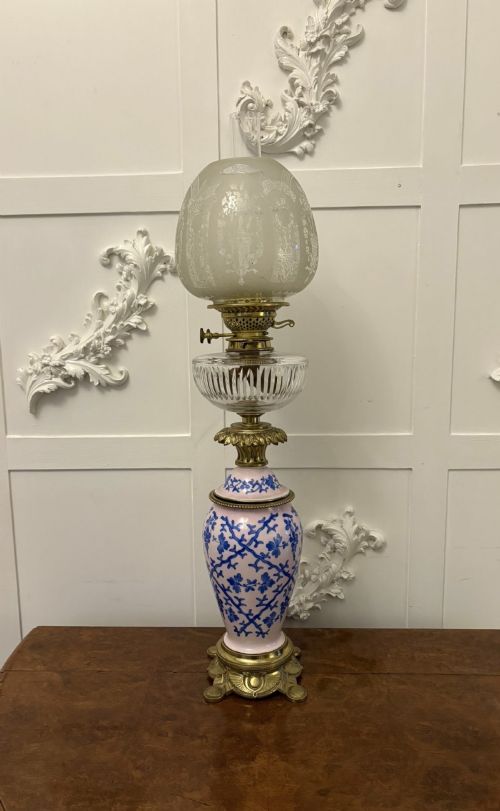
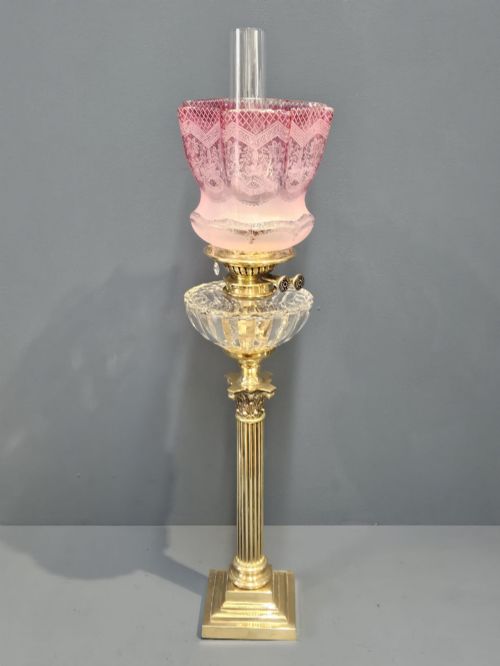
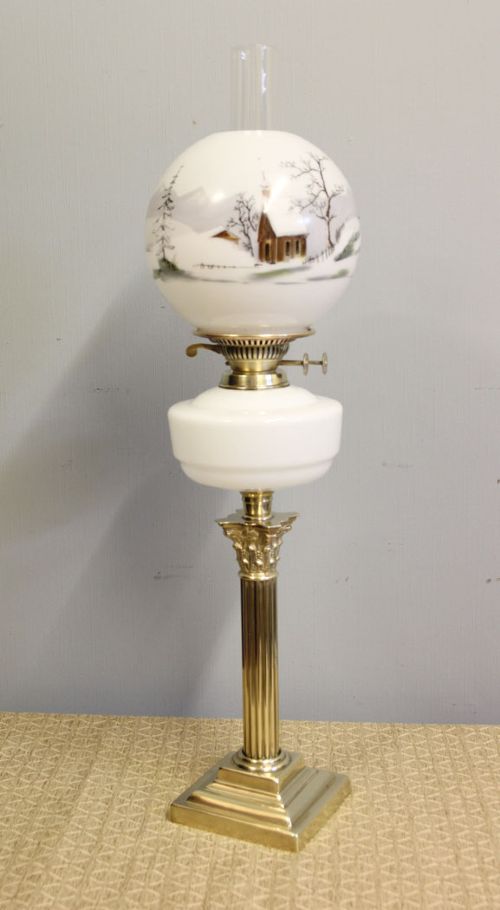
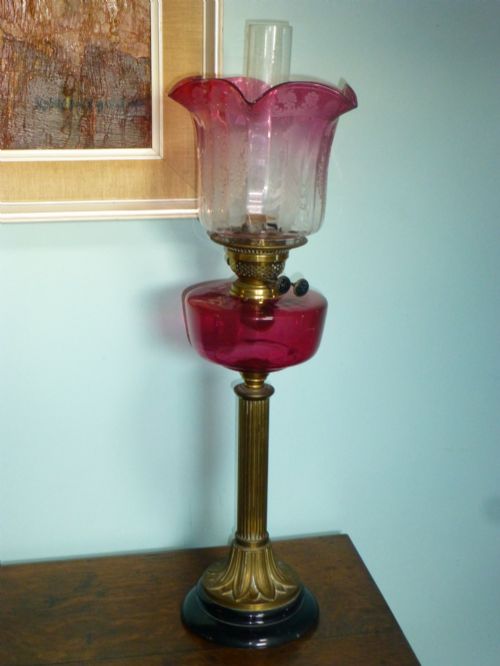
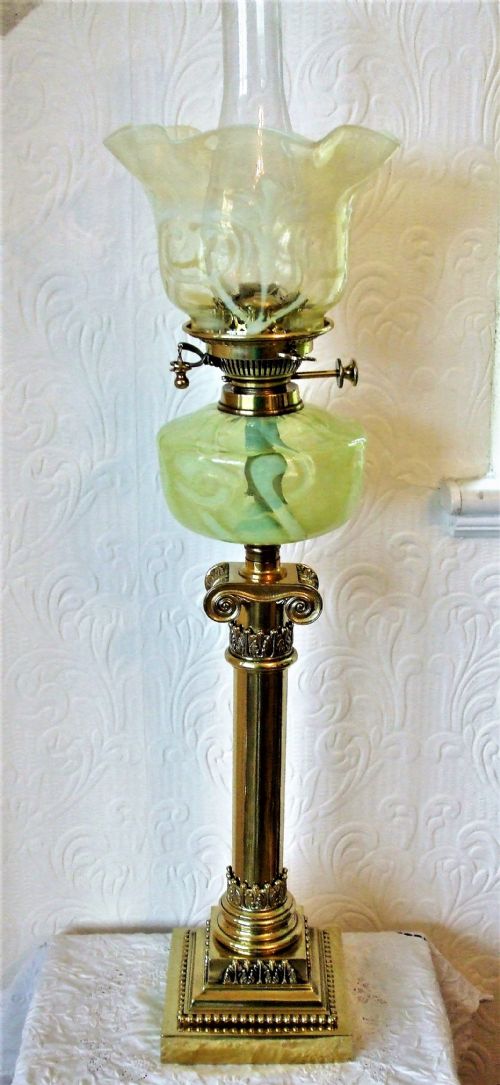
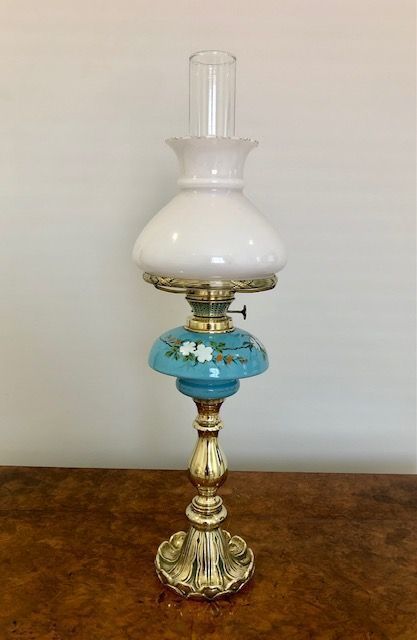
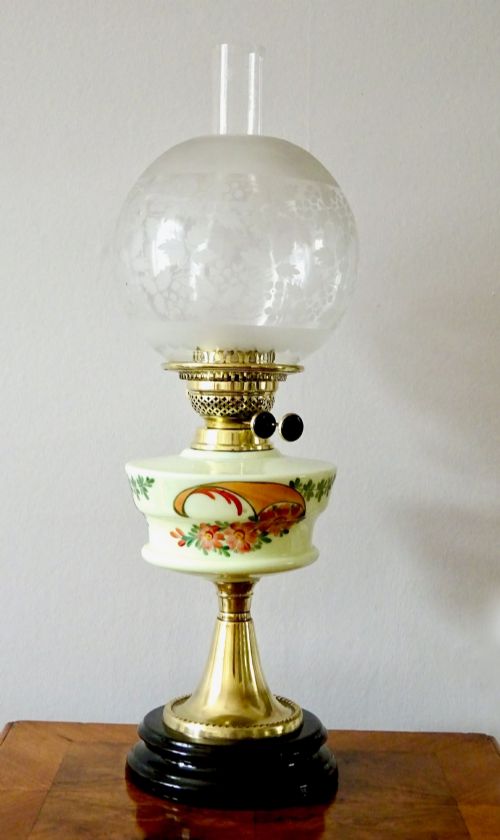
Most examples combine a heavy metal, ceramic or porcelain column with a contrasting glass font and a decorative shade. Corinthian column designs and duplex double burner systems appear frequently among the pieces recorded here.
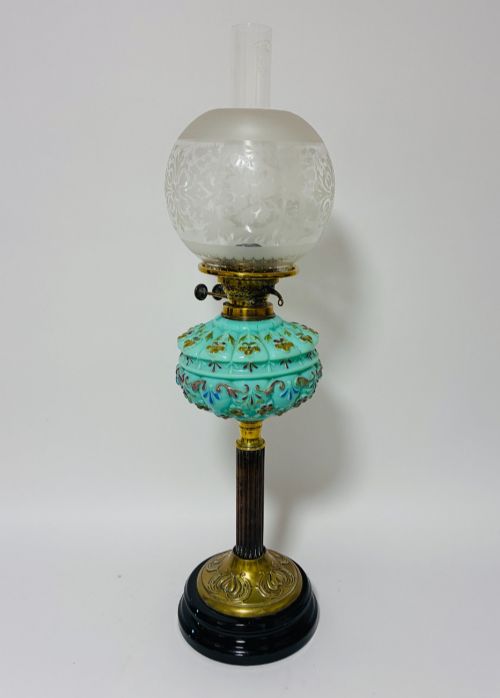
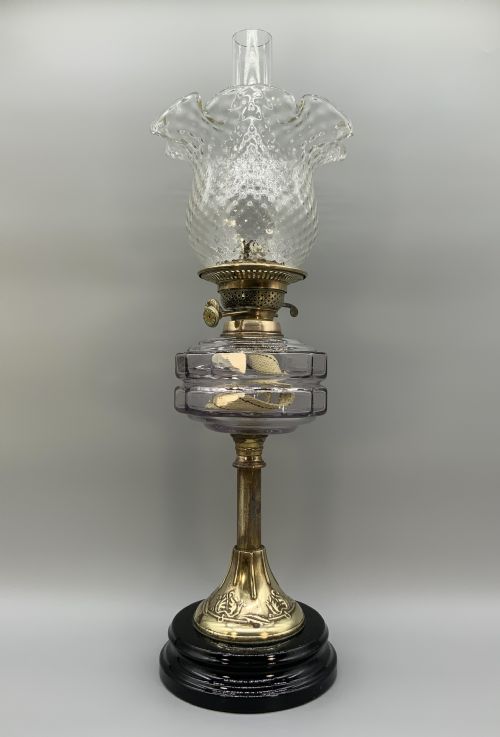
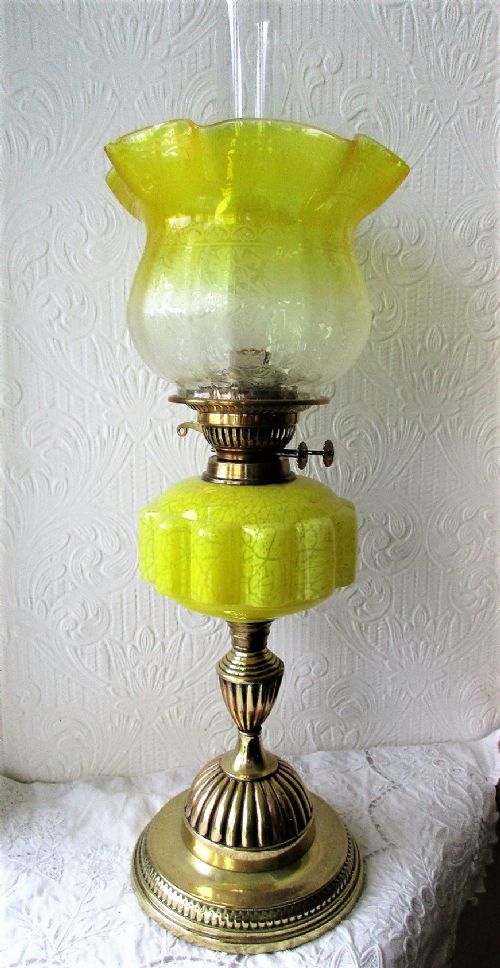
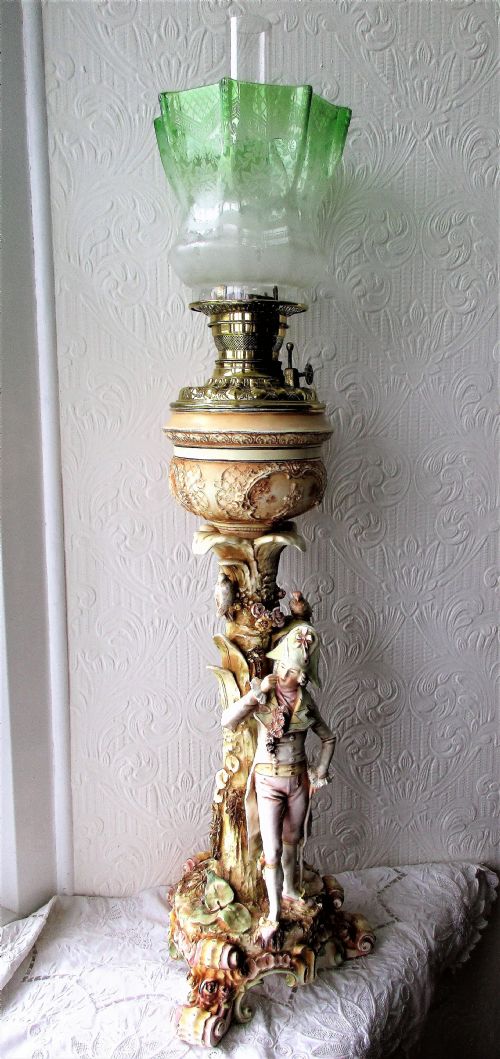
Makers utilised various regional styles, producing everything from simple brass standards to figural porcelain compositions and towering telescopic forms. Buyers encounter both plain clear glass reservoirs and richly coloured vessels paired with matching shades.
Materials and construction
The construction relies on a combination of cast brass, ceramics and blown glass. Metal columns provide stability, often cast in classical architectural shapes like Corinthian or ionic orders.
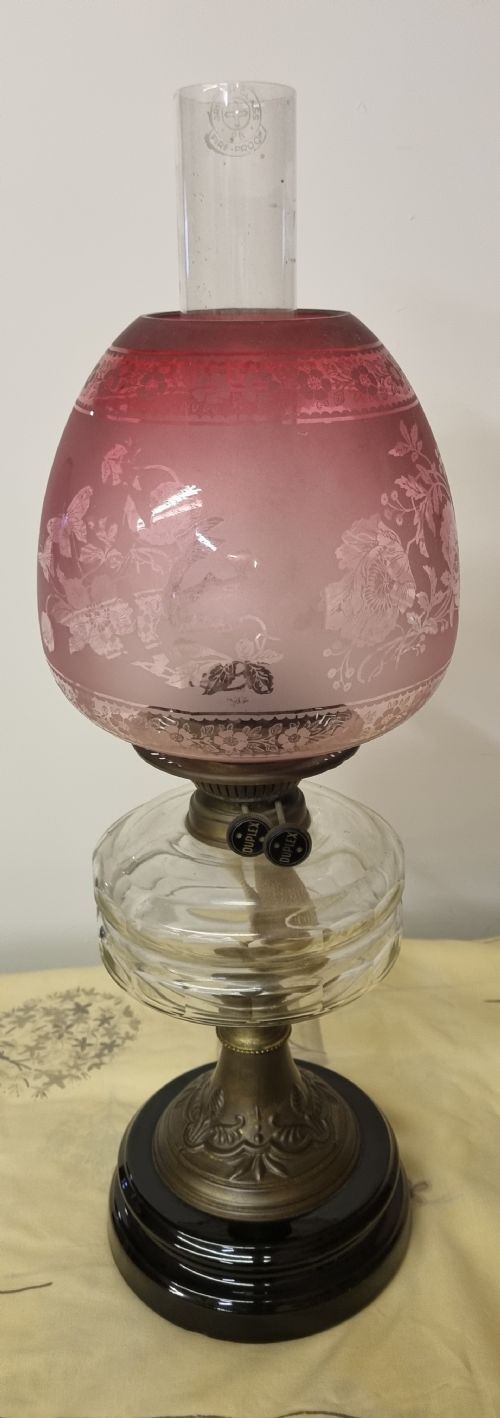
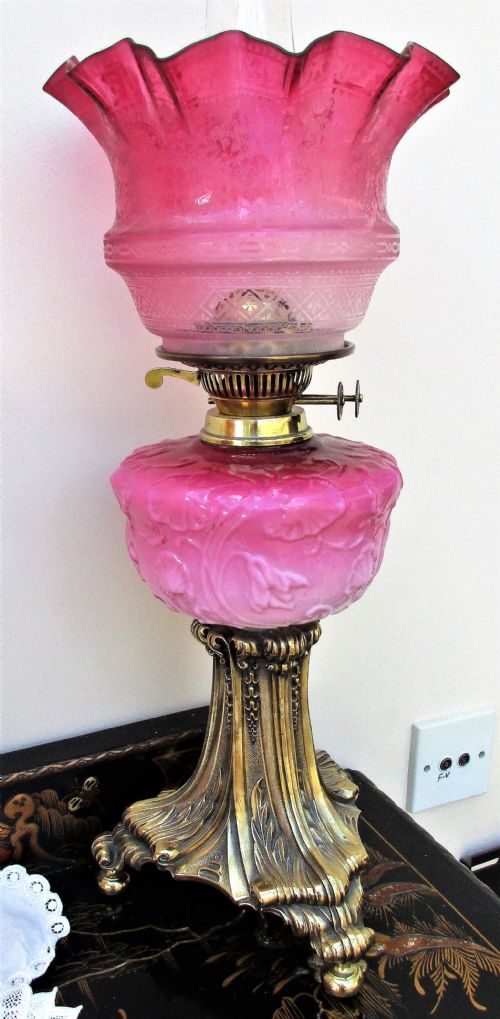
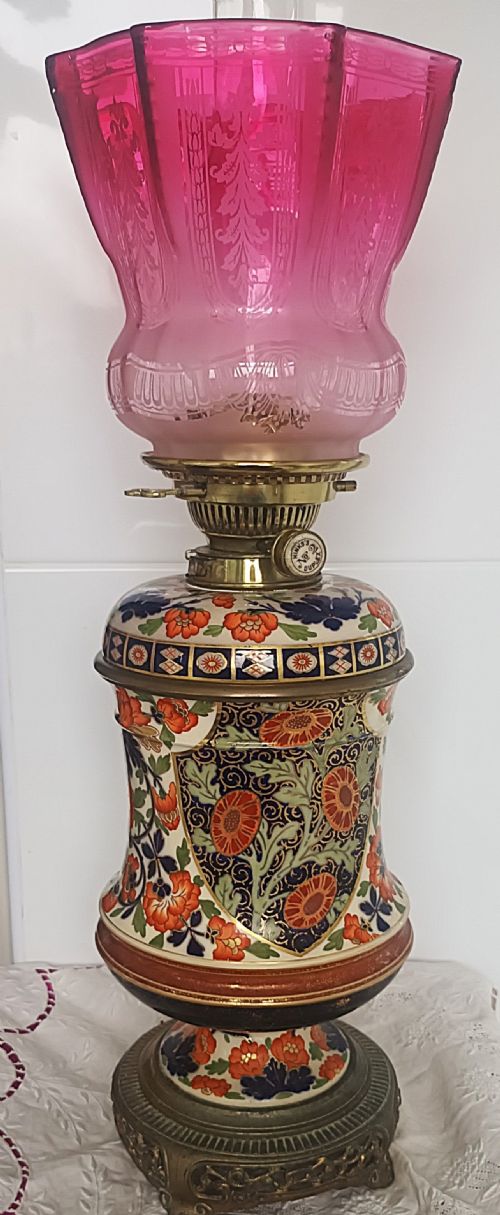
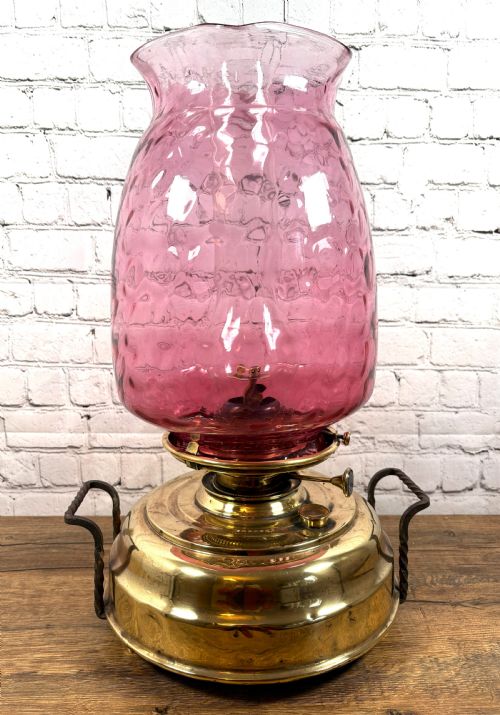
Shades and fonts utilise specialised glass techniques, including cranberry glass, satin glass, milk glass and cut crystal. Hand-blown colouring agents create deep pink, red and opaline tones within the glass body.
Some Victorian households deployed these tall lamps as pulpits or room heaters before electricity tamed the dark.
Distinctions in quality
Quality rests upon the weight and crispness of the metal casting, the clarity and depth of colour in the glass components, and the complexity of the burner mechanism. Telescopic columns and duplex double burner configurations require finer engineering than standard single-wick models.
The artistry of the shade separates standard production from superior pieces. Hand-blown cranberry glass, etched floral motifs and detailed winter scenes demand higher skill than plain opaline or clear glass covers.
Hinks·Taylor Tunnicliff
The Antique Glass Shade Burner Glossary
- Duplex burner
- A double-wick mechanism designed to produce a brighter flame than single-wick oil lamps. This setup requires wider wicks and paired control knobs.
- Cranberry glass
- A rich pink or red transparent glass created by adding gold chloride to the molten batch. It appears frequently in Victorian lamp shades and fonts.
- Font
- The oil reservoir of the lamp, positioned above the base and below the burner. Fonts are often moulded from coloured, cut or satin glass.
- Corinthian column
- A classical architectural column style featuring ornate acanthus leaves on the capital. Victorian lamp makers often cast these in brass.
- Opaline glass
- A translucent, pale white glass that diffuses light softly. It was widely used for Edwardian lamp shades.
Antique Glass Shade Burner: Frequently Asked Questions
What is an antique glass shade burner?
These pieces are nineteenth and early twentieth century lighting devices designed to burn paraffin or lamp oil. They consist of a solid base, an oil reservoir, a metal burner mechanism, and a decorative glass shade.
Most surviving examples date from the Victorian and Edwardian periods. They combine functional metalwork with decorative glass in colours like cranberry, pink, and white.
How do you date an oil lamp?
Dating relies on material combinations, manufacturing techniques, and stylistic clues. Victorian examples often feature heavy brass columns, Corinthian capitals, and rich cranberry glass fonts.
Later Edwardian models tend toward simpler brass standards paired with opaline or hand-blown shades. Patent marks and maker names stamped on the brass burner mechanism also help establish a timeline.
Can these lamps still burn oil?
While many retain their original brass burners and wicks, most buyers treat them as decorative objects rather than active light sources. Restoring them for actual use requires careful cleaning and verification of the burner seals.
Many collectors prefer to keep them unlit to preserve the delicate glass shades and original metal patina.
What does duplex burner mean?
A duplex burner uses two parallel wicks rather than one, allowing the lamp to draw more fuel and cast a significantly brighter light. This mechanism requires a wider gallery and a correspondingly larger glass shade.
Lamps featuring this system often indicate higher production quality and were intended for main reception rooms.
How do I clean a glass lamp shade?
Gentle washing in warm soapy water removes dust and soot accumulation without harming the glass surface. Strong chemical cleaners should be avoided, especially on tinted or etched decorative details.
Care must be taken with antique hand-blown glass, which can possess thin sections or delicate applied decoration.