



Antique Glass Scent Vial
An antique glass scent vial is a pocket vessel for personal fragrance, prized for its miniature scale and precious metal mounts.
Antique Glass Scent Vial
An antique glass scent vial is a small portable container designed to hold perfume for personal use during social outings.
The pieces seen on this page span from the Georgian era through the Victorian period into the early twentieth century.
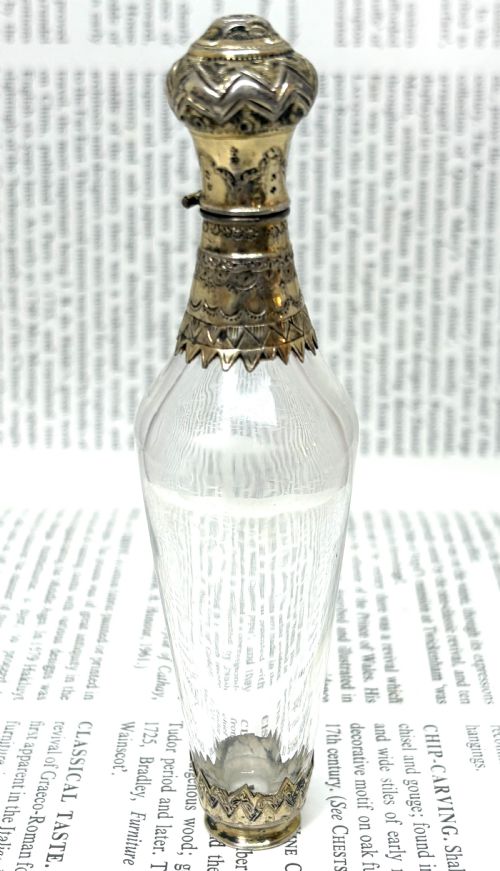
Most examples combine coloured or clear glass bodies with fitted metal caps, often including silver, silver gilt, or base metal mounts.
How these vials were made
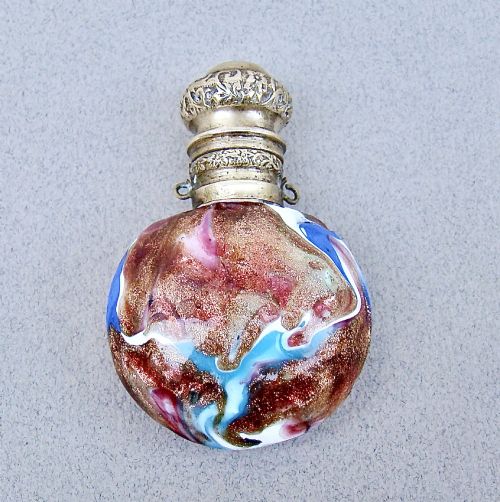
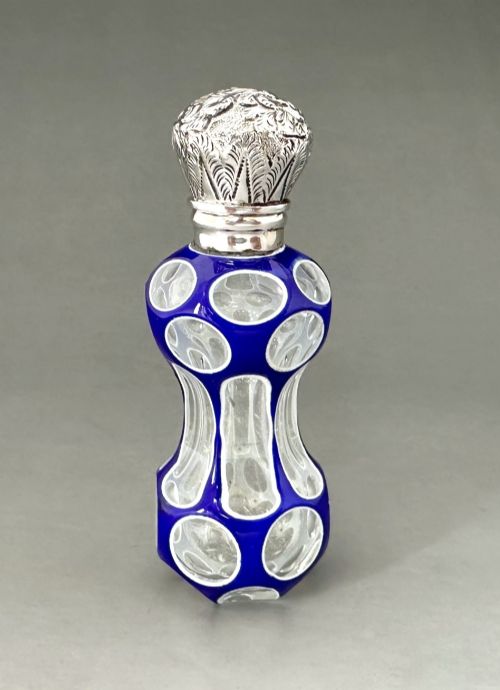
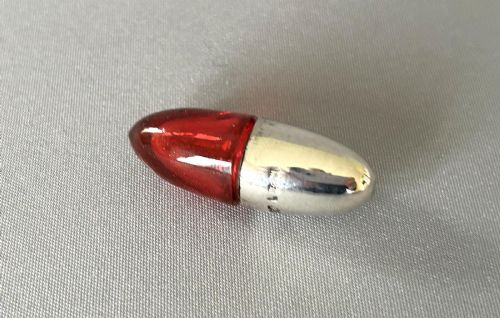
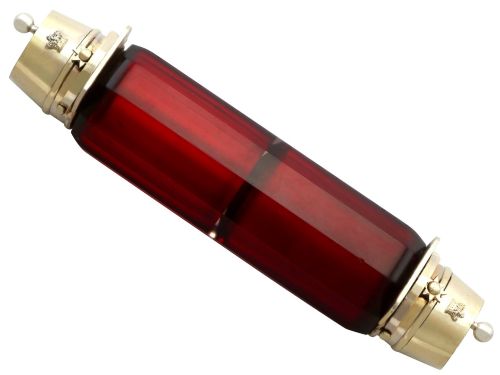
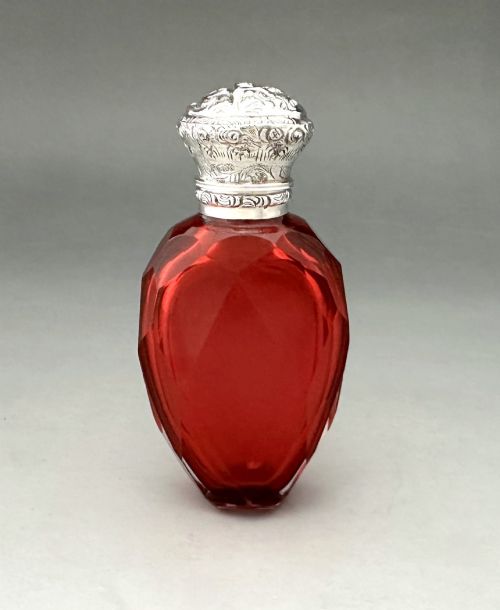
Glass bodies were shaped by blowing or moulding, utilising vibrant hues such as cranberry, ruby, cobalt, and amethyst alongside traditional clear glass.
Metal mounts were cast, engraved, or enamelled to secure the neck and provide a hinged or screw-fitted lid.
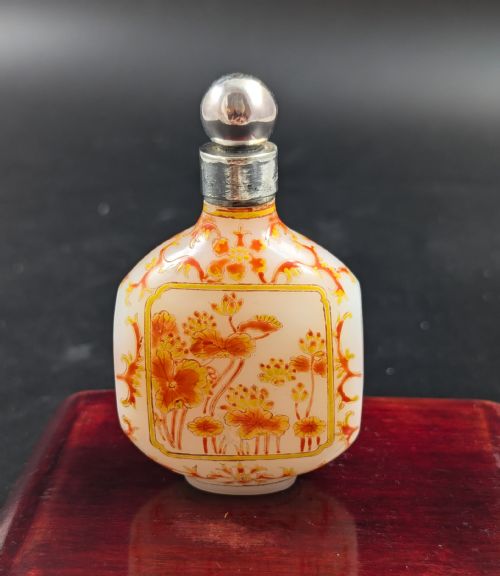
Decorative techniques include overlay casing, wheel engraving, and applied murrine patterns.
Antique Glass Scent Vial Retail Price Guide 2026
Typical asking prices for glass scent vial among the pieces listed under this phrase on Sellingantiques today, from the lower quarter to the upper quarter. They describe what is for sale here now, not the wider market.
The listings on this site show glass scent vials produced across Victorian, Georgian, and early twentieth-century periods.
What separates fine examples from ordinary ones
Quality rests upon the weight and clarity of the glass, alongside the intricacy of any metalwork or engraving applied to the exterior.
Vials featuring fully integrated silver caps, hallmarks, or complex casing show superior craftsmanship compared to plain or unmarked counterparts.
The Antique Glass Scent Vial Glossary
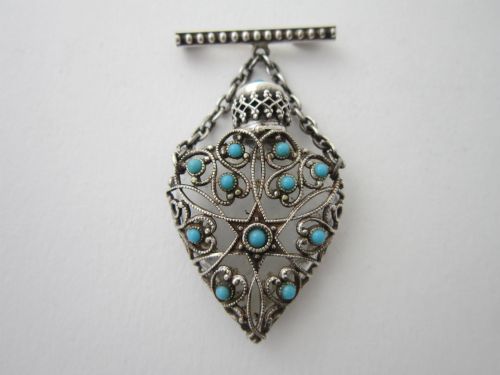
- Chatelaine scent bottle
- A small perfume container fitted with a chain or hook to suspend from a waist belt. These were popular accessories in the Victorian era.
- Overlay glass
- A technique where a layer of coloured glass is fused over a clear or contrasting body and partially cut away to reveal patterns.
- Silver gilt
- Silver that has been coated with a thin layer of gold on the surface. This finish protects the metal and adds a rich yellow tone.
- Murrine
- Coloured glass canes heated and drawn out, then sliced to reveal cross-sectional mosaic patterns. This technique appears in Venetian work.
- Snuff bottle
- A small container originally intended for powdered tobacco rather than liquid scent. They share similar miniature proportions to perfume vials.
Antique Glass Scent Vial: Frequently Asked Questions
How were scent vials used in the past?
These vials held strong liquid fragrances used to counter unpleasant odours in public spaces during the Georgian and Victorian eras. Their secure screw or hinged caps prevented leakage while carried about.
Ladies often wore them attached to decorative waist belts alongside other useful pocket accessories.
How do I date a glass scent vial?
Dating relies on the style of the metal mount, manufacturing techniques of the glass, and any visible hallmarks or maker marks. Georgian examples often display simpler hand-cut or engraved decoration.
Victorian pieces frequently feature coloured glass varieties like cranberry or ruby paired with ornate stamped silver mounts.
What materials are common in these bottles?
The primary materials are glass and silver, though gilt metal and enamel also appear across various periods. Glass colours range from deep cobalt and amethyst to bright cranberry and opaque white.
Silver mounts provide structural caps and hinges, occasionally decorated with turquoise accents or engraved designs.
How should I clean my antique scent vial?
Cleaning requires gentle care, using a soft dry cloth for the exterior metal and glass surfaces. Harsh chemical dips should be avoided to preserve original patinas and delicate enoxelling or gilding.
Interior cleaning is rarely necessary unless removing stubborn residue with lukewarm water and a soft-bristled brush.