



Antique Glass Panel Screen
An antique glass panel screen brings divided space and reflected light into a room, joining timber frames with glazed or mirrored panels.
Antique Glass Panel Screen
When you search for an antique glass panel screen, you find folding room dividers, freestanding firescreens, and dressing screens that integrate transparent or mirrored glass into timber and metal frameworks. These items organise larger interiors and shield a room from draughts or excessive heat.
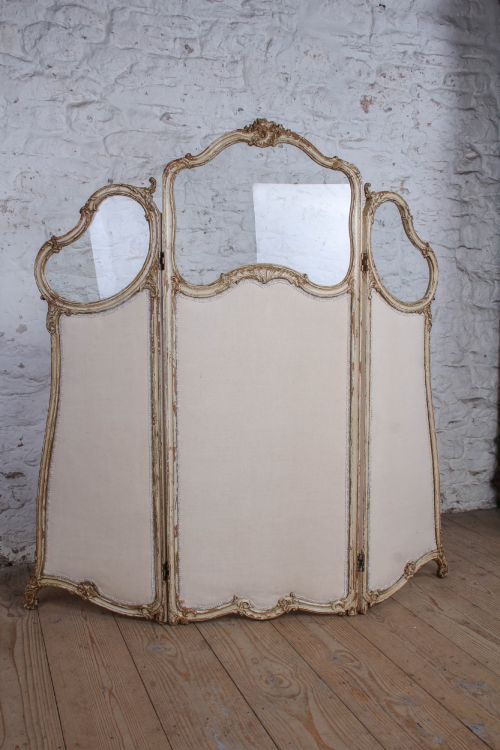
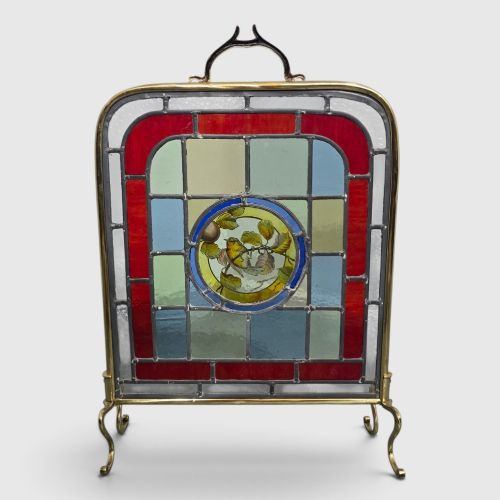
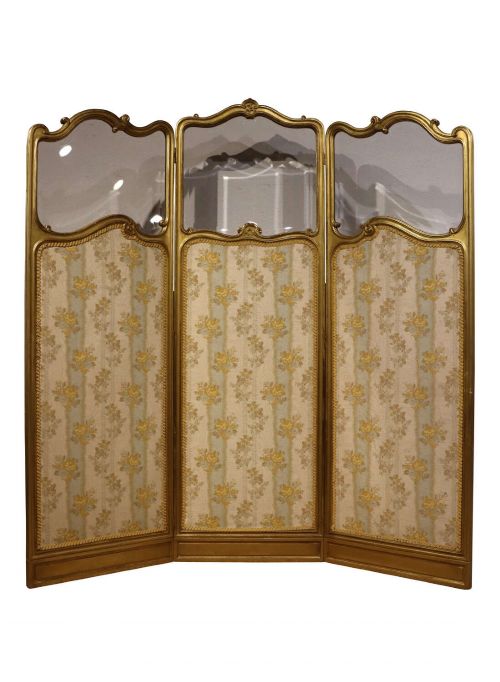
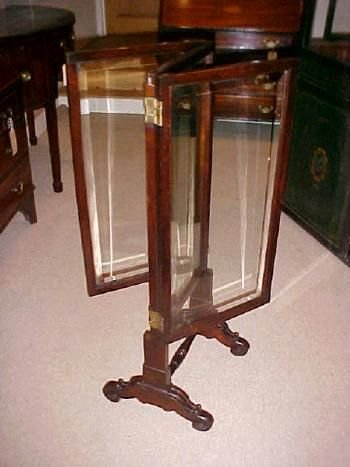
The versions most commonly met on this page range from Victorian and Regency fireside reflectors to multi-fold French giltwood vanity screens and tall walnut privacy panels. Styles stretch across Art Nouveau, Arts and Crafts, and French Rococo Revival designs.
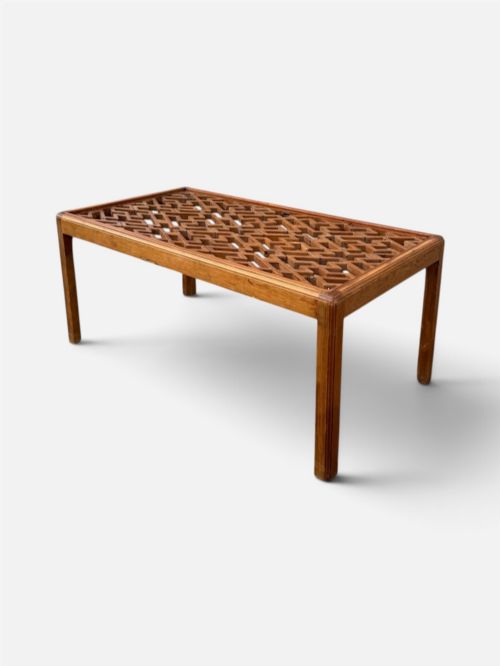
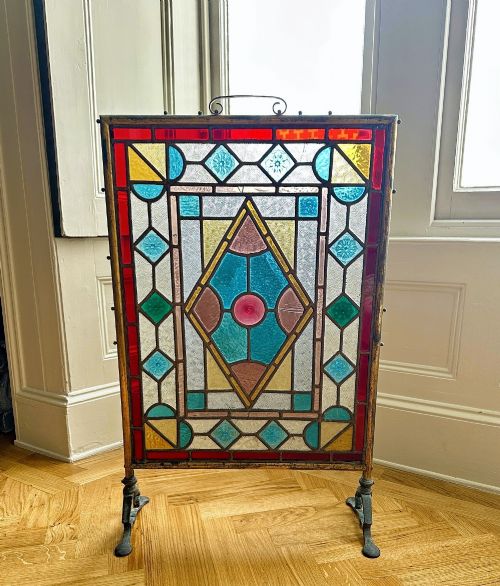
Makers often combined folding leaves of mahogany, giltwood, or brass with bevelled glass, leaded stained glass, or silk backing inserts. Some later iterations repurpose architectural fretwork panels beneath glass tabletops.
How they were made
Frames rely on sturdy timbers such as mahogany, walnut, and giltwood, alongside cast or sheet brass and iron stands. Joinery keeps multi-fold screens hinged and stable through decades of movement.
Glass elements include bevelled panes, leaded stained glass, and glazed inserts held securely within wooden rebates or metal channels. Silk and fabric panels sometimes back the glass or occupy adjacent folds.
Antique Glass Panel Screen Retail Price Guide 2026
Typical asking prices for glass panel screen among the pieces listed under this phrase on Sellingantiques today, from the lower quarter to the upper quarter. They describe what is for sale here now, not the wider market.
Listings feature items spanning the Regency period, Victorian era, and mid-twentieth century, constructed from mahogany, walnut, giltwood, brass, and stained glass.
What varies in quality
Quality rests in the precision of the frame's carving or metalwork, the weight of the brass hinges, and the clarity of the bevelled glass. Finer examples show crisp giltwood detail and tight joinery across every folding leaf.
Simpler pieces rely on plain mahogany or basic brass frames with standard glazing, whereas sophisticated screens integrate leaded stained glass, intricate fretwork, or delicate silk linings.
The Antique Glass Panel Screen Glossary
- Firescreen
- A portable screen placed before an unlit hearth to block draughts or decorate the fireplace. They often feature glass panels or adjustable poles.
- Bevelled glass
- Glass with edges ground and polished to an angled slope. This treatment catches the light and adds depth to the panel.
- Giltwood
- Timber treated with a thin layer of gold leaf or gesso finish. It provides a bright, reflective surface popular in French revival furniture.
- Pole screen
- A vertical screen mounted on a tall wooden pole with a tripod base. The glazed or embroidered panel slides up and down to adjust height.
- Fretwork
- Openwork carved or pierced timber patterns. These decorative wooden grilles frequently accompany glass inserts in oriental and Edwardian designs.
Antique Glass Panel Screen: Frequently Asked Questions
How were firescreens used?
Firescreens stood in front of fireplaces during warmer months when fires were unlit. They protected rooms from soot smells and blocked draughts coming down the chimney.
Adjustable pole screens and multi-fold panels also allowed occupants to shield their faces from the intense heat of an active coal fire.
How do I date a screen?
Dating relies on combining the wood types, hardware, and stylistic details present in the frame. Regency and Victorian pieces often show specific giltwood carvings or heavy brass feet.
Later Edwardian and twentieth-century examples shift towards simpler mahogany or oak frames alongside oriental fretwork and lighter structural proportions.
Can tall screens divide rooms?
Taller multi-fold screens function effectively as room dividers to section off parts of open-plan spaces. They create private corners and block lines of sight.
Stability depends on the weight of the timber leaves and the sturdiness of the hinges connecting each folding panel together.
What materials are used?
Frames employ mahogany, walnut, giltwood, brass, and iron to support the primary structure. Hinges and stands give the folding leaves necessary support.
Glass forms the central viewing panels, often complemented by leaded came work, stained glass details, or silk fabric inserts behind the glazing.