
Antique Glass Pair
When collectors seek an antique glass pair, they find matching vessels, lighting components or mirrors that span Georgian tavern glasses to Victorian table ornaments.
Antique Glass Pair
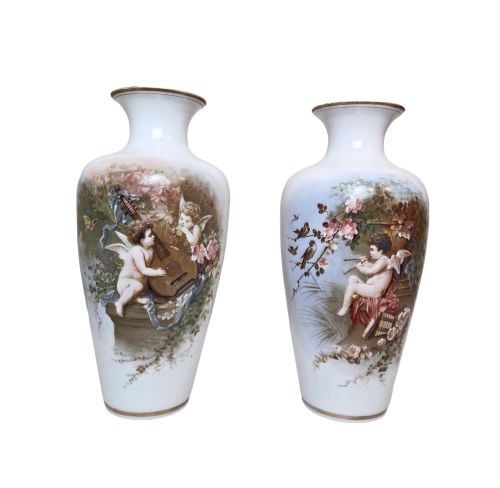
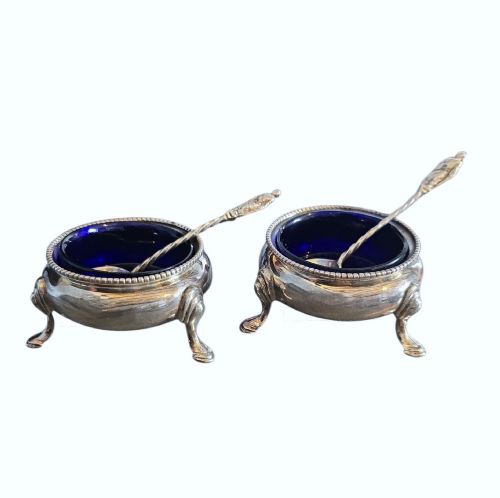
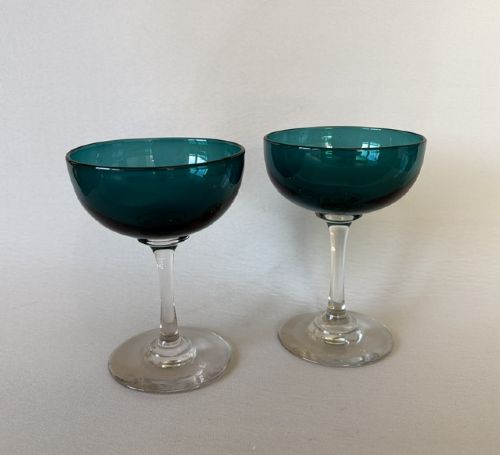
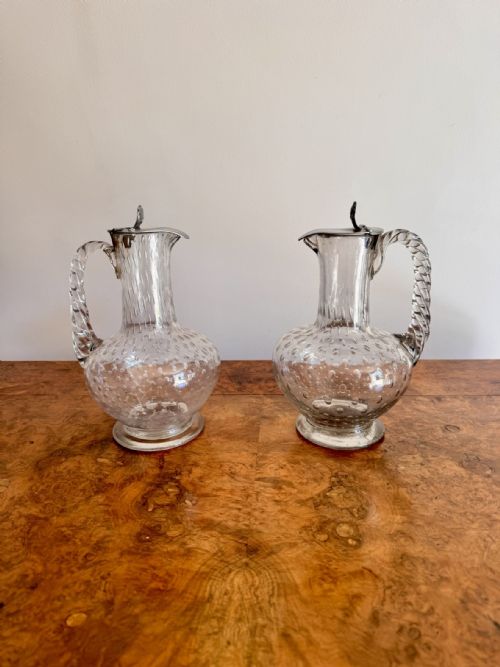
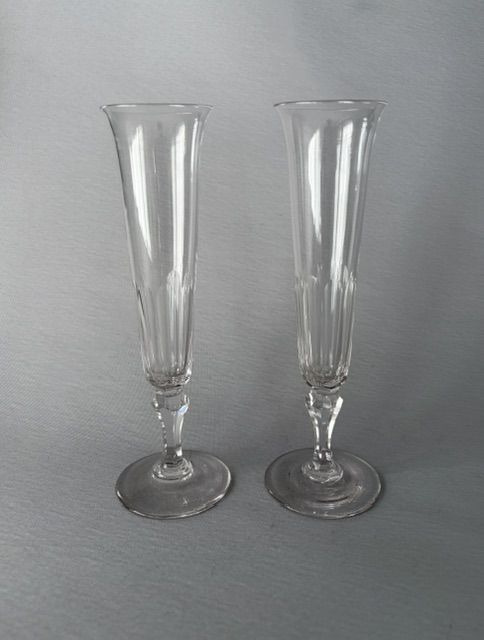
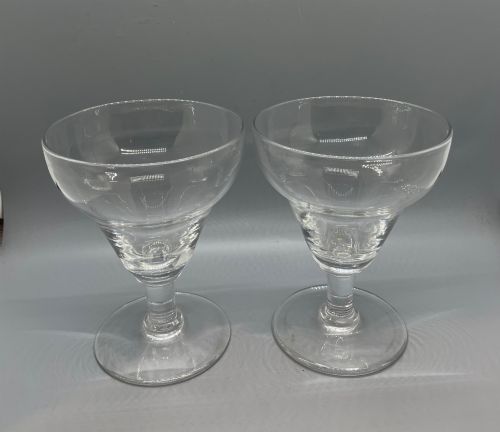
An antique glass pair encompasses matched sets of drinking vessels, lighting fixtures, mirrors and decorative objects produced across the eighteenth, nineteenth and early twentieth centuries. Tableware forms range from Georgian dram glasses and rummers to Victorian finger bowls, champagne glasses and decanters. Decorative items include cranberry glass bells, lustres, apothecary jars and vases.
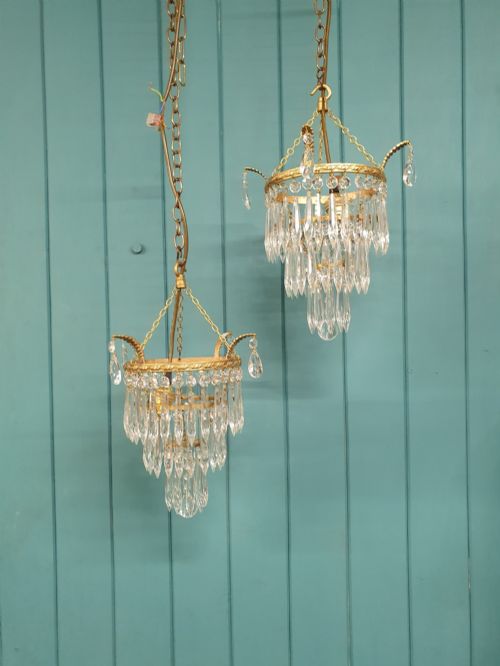
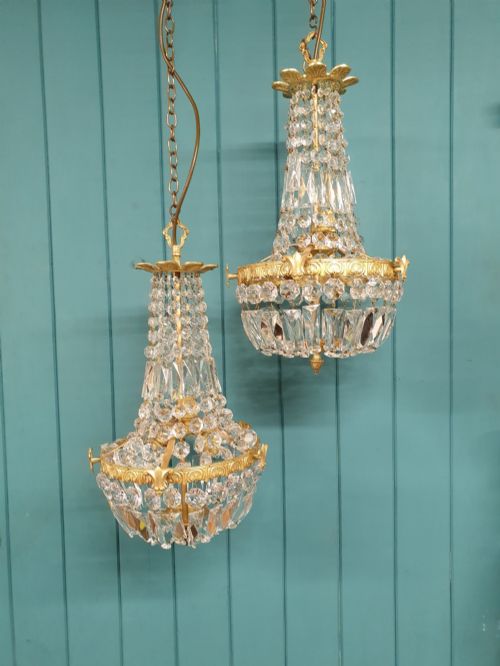
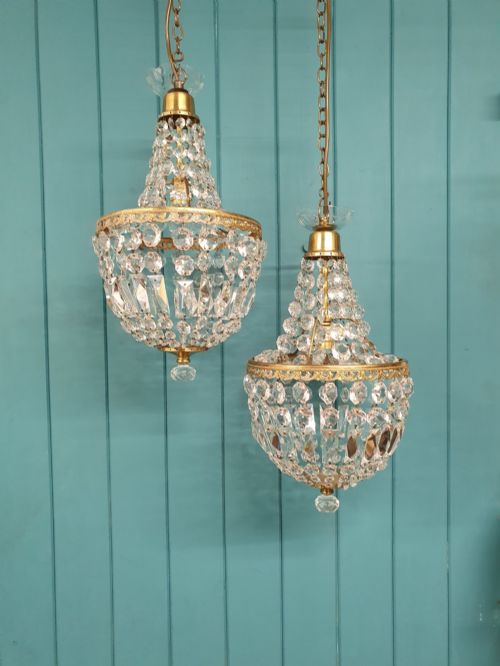
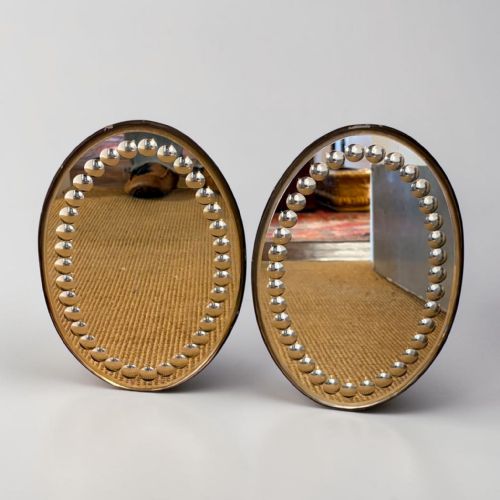
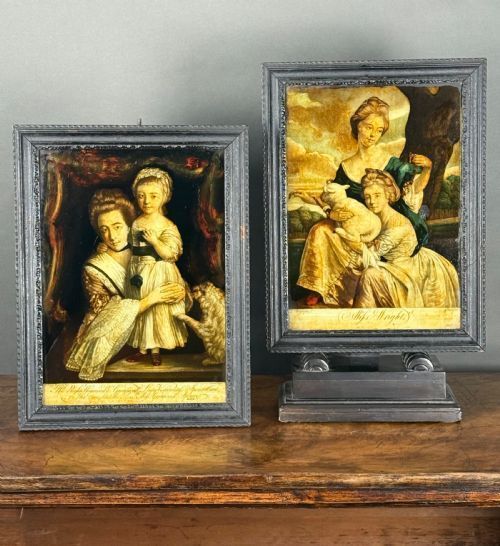
Lighting examples take the form of wall sconces, chandeliers, and candelabra utilising brass, ormolu or giltwood mounts alongside crystal and cut glass prisms. Mirror frames incorporate mercury glass plates, carved timber and gilt bronze. Buyers encounter domestic table service items alongside architectural and decorative pairs originating from English, French, Bohemian and Venetian workshops.
How they were made
Glass production relied on manual blowing, moulding and shaping, frequently finished with wheel-cutting, engraving or acid etching to create faceted patterns and surface motifs. Lead crystal formulations provided high refractive indices for decanters and lighting components, while coloured glass pieces incorporated metallic oxides to achieve deep cranberry, emerald green, blue and ruby hues. Overlay techniques allowed contrasting glass layers to be cut back for decorative effect.
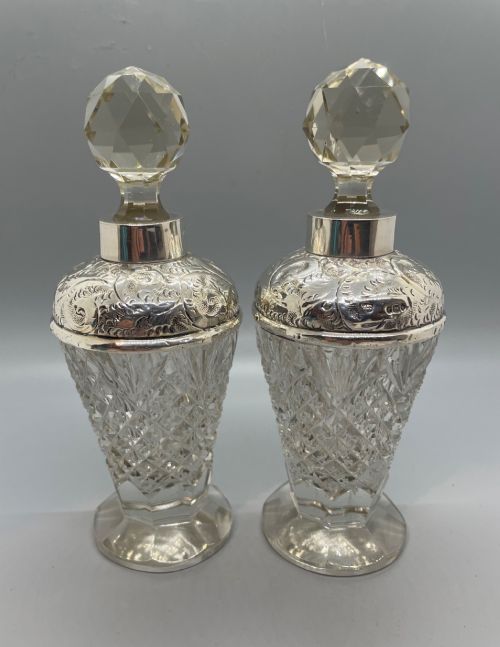
Metal components such as brass, ormolu and silver-plated mounts were cast and chased to support glass shades, prisms and vessels, particularly in wall lights and chandeliers. Frames for mirrors combined carved timber, gesso and gilding to secure heavy glass plates. Silver overlay work was applied directly to perfume bottles and decorative glass bodies.
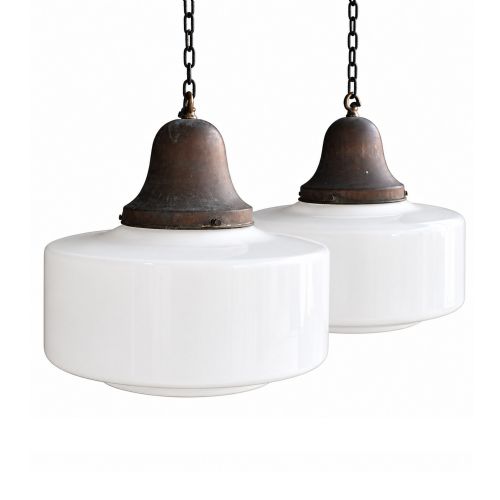
Listings feature eighteenth-century Georgian dram glasses alongside twentieth-century Art Deco wall lights and Venetian mirrors.
What varies in quality
The standard of an antique glass pair depends upon the clarity and weight of the metal, the precision of the cutting or engraving, and the uniformity of the matched components. Early lead crystal displays a dense, resonant quality with deep, sharp facet cutting that distinguishes high workshop output from simpler moulded production. Hand-etched or wheel-engraved ornamentation shows varying degrees of artistic control and line depth.
For mounted pieces, the execution of the bronze, brass or giltwood frames contributes significantly to the overall status of the object. Exact symmetry between the two items, combined with original components such as matching stoppers, shades or mercury glass plates, separates superior examples from assembled or altered pairs.
Maison Baguès·Gorham·Josephinenhutte·Baccarat
The Antique Glass Pair Glossary
- Rummer
- A large, sturdy English drinking glass popular from the late eighteenth through the nineteenth centuries, commonly used for beer, ale or wine. These vessels typically feature a short stem and a bucket-shaped bowl.
- Mercury glass
- A double-walled blown glass object coated on the interior with a silver liquid solution, creating a reflective mirror-like finish. Production peaked during the mid-nineteenth century for ornamental candlesticks and vases.
- Cranberry glass
- A transparent red glass produced by adding gold chloride to the molten batch, widely utilised for Victorian tableware, lustres and decorative vases. The intensity of the pinkish-red tone varies according to gold content.
- Claret glass
- A vessel specifically designed for serving red wine, often featuring cut crystal bowls and star-etched details during the Victorian and Edwardian periods.
- Lead crystal
- Glass containing a high proportion of lead oxide, which increases brilliance, weight and softness for wheel-cutting. This material forms the basis of heavy Georgian and Victorian decanters and tableware.
Antique Glass Pair: Frequently Asked Questions
How do I date old glass pairs?
Dating relies on manufacturing techniques, pontil mark characteristics, stylistic cues and material composition. Pontil scars on the underside of blown vessels indicate hand-finished production methods typical of eighteenth and nineteenth-century items.
Changes in glass chemistry, such as the introduction of heavy lead crystal and specific cutting styles, help narrow the period of origin. Comparing the decorative motifs with documented examples from Georgian, Victorian or Edwardian eras provides further confirmation.
Are matched pairs original?
Many pairs were produced together as matching services or decorative ornaments from the workshop. However, some surviving sets represent assembled pairs gathered together later due to similar size, form and decoration.
Examining wear patterns, glass tint, thickness and minor variations in hand-cut facets reveals whether two items originated from the exact same batch. Original pairs display identical manufacturing characteristics and wear consistent with shared use.
How were glass decanters used?
Decanters served to store and serve wine, spirits and cordials at the dining table during the eighteenth and nineteenth centuries. They allowed sediment to settle while presenting the liquor attractively.
Square-section, ships and mallet forms provided stability on board sailing vessels or crowded dining tables. Matching stoppers helped preserve the contents and prevent oxidation.
How do I care for antique glass?
Antique glass requires gentle hand washing in lukewarm water using mild detergent, avoiding sudden temperature changes that can cause thermal shock and cracking. Metal mounts and gilt surfaces should be kept dry to prevent corrosion.
When displaying items near lighting or heat sources, maintaining stable environmental conditions protects delicate glass bodies and silver overlay elements. Soft cloths prevent scratching during routine maintenance.