
Antique Glass Novelty
When you search for antique glass novelty, you enter a playful world where everyday utilitarian objects take whimsical forms.
Antique Glass Novelty
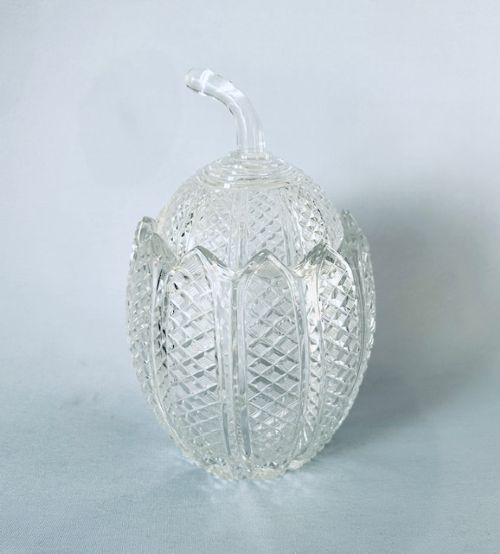
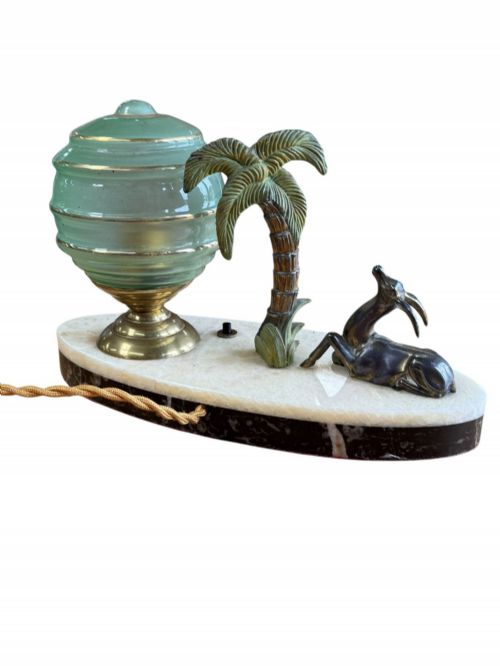
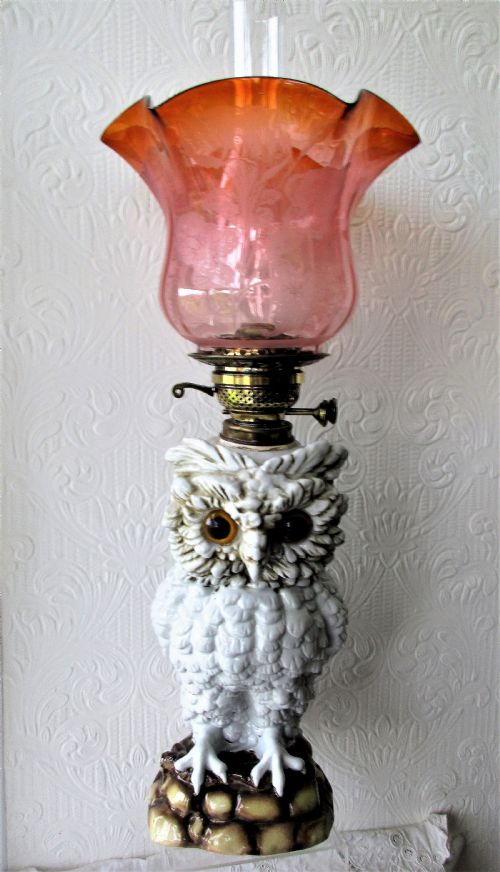
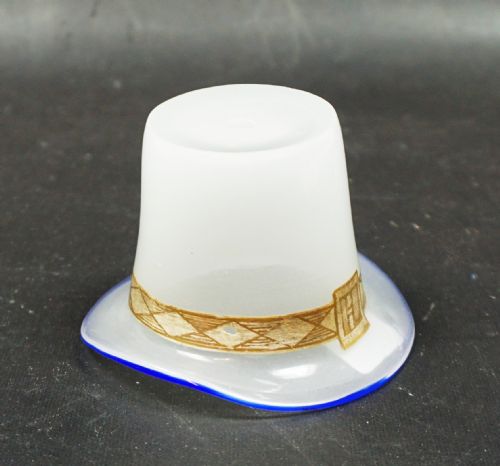
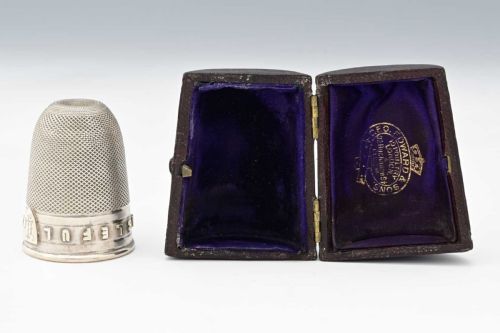
The term antique glass novelty encompasses functional and decorative items shaped as animals, fruit, and familiar objects, produced primarily across the nineteenth and twentieth centuries.
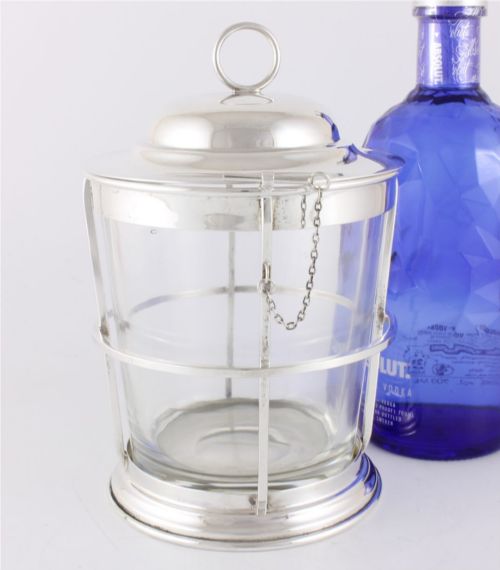
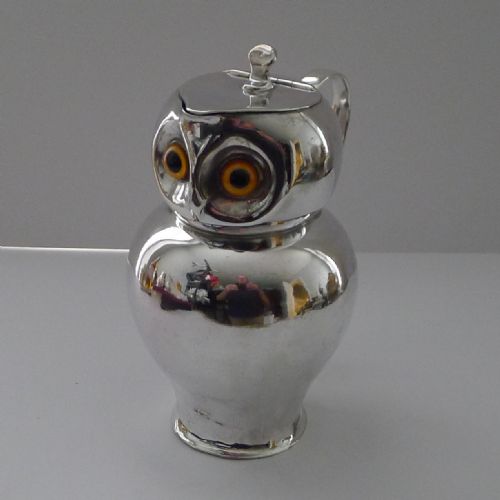
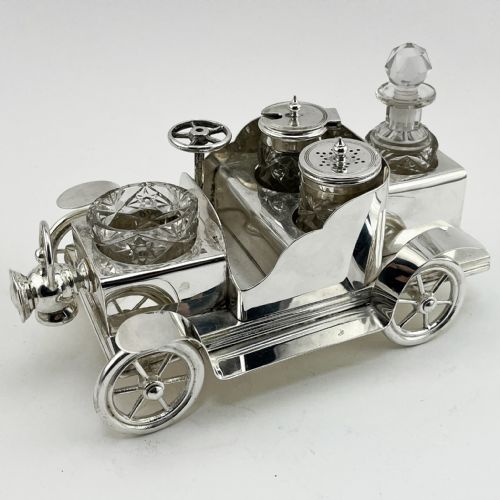
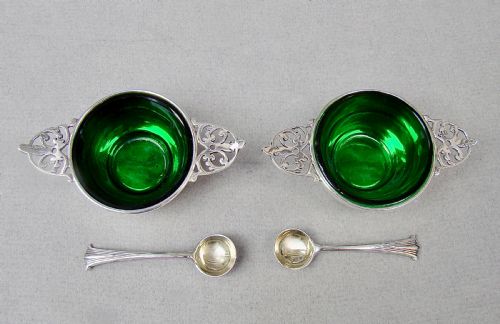
Buyers browsing this selection frequently encounter nineteenth-century desk accessories, silver-plated cruet sets, and figural containers where glass acts as the primary medium or forms a vital liner.
Originating largely from British, French, and German workshops, these pieces combine lighthearted subject matter with the rigorous manufacturing standards of the Victorian and Art Deco eras.
How they were made
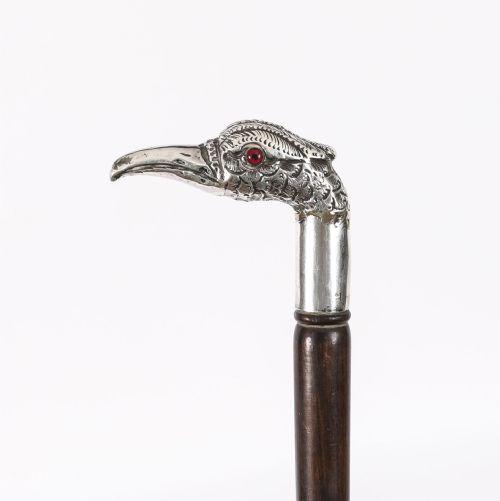
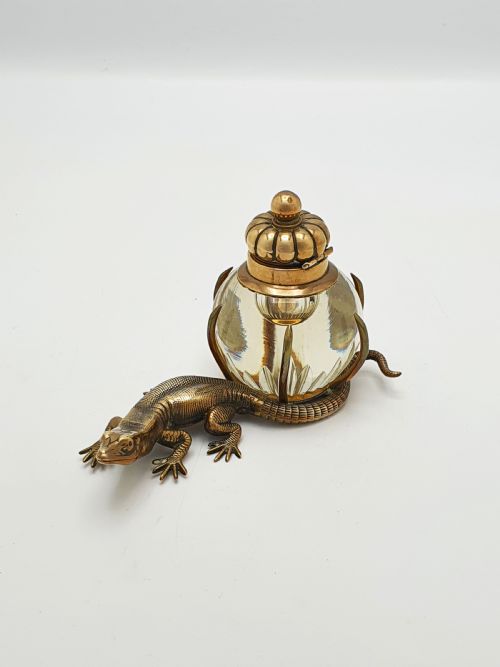
Makers combined blown or moulded glass with cast metals such as brass, silver plate, and sterling silver to achieve durable yet intricate sculptural forms.
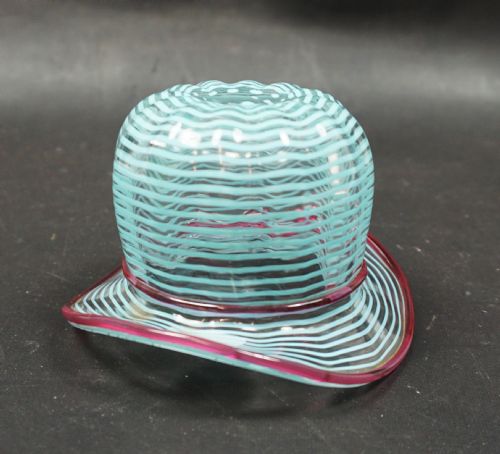
Techniques like casing, applied cane decoration, and detailed silver mounting required skilled artisans who could integrate delicate glass bodies into robust metal frameworks.
Porcelain and carved elements also appear alongside glass components, demonstrating diverse material pairings typical of Victorian and early twentieth-century workshops.
Listings feature items from the nineteenth century through the 1930s, utilising materials such as sterling silver, brass, and porcelain alongside glass.
What varies in quality
Quality rests upon the precision of the moulding, the crispness of the metal chasing, and the overall anatomical accuracy or charm of the figural subject.
Superior examples maintain original glass liners and matching metal components, showing minimal wear on silver plating and retaining securely set glass eyes where applicable.
PH Vogel·Sitzendorf·Josiah Williams and Co·Hukin and Heath
The Antique Glass Novelty Glossary
- Cruet set
- A matched collection of bottles or jars used for holding condiments at the dining table, often housed in a decorative metal frame.
- Opaline glass
- An opaque or translucent glass developed in nineteenth-century Europe, typically appearing in soft pastel shades.
- Vesta
- A small pocket box or desk container designed to hold matches, frequently fashioned into novel shapes during the Victorian period.
- Nailsea
- A style of nineteenth-century glass featuring distinctive loop or cane decoration, originating from English glassworks.
Antique Glass Novelty: Frequently Asked Questions
What is an antique glass novelty?
These items are decorative and functional pieces created in whimsical shapes, combining glass bodies with materials like silver plate and brass.
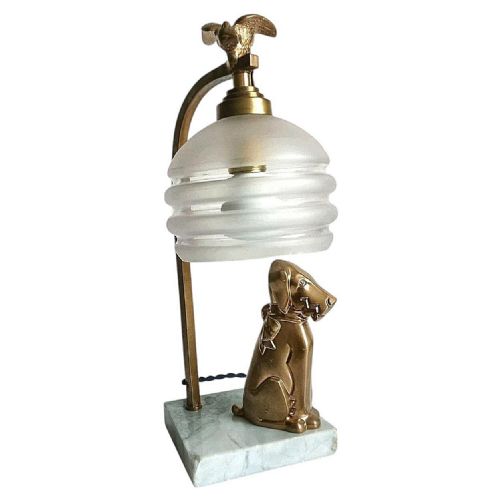
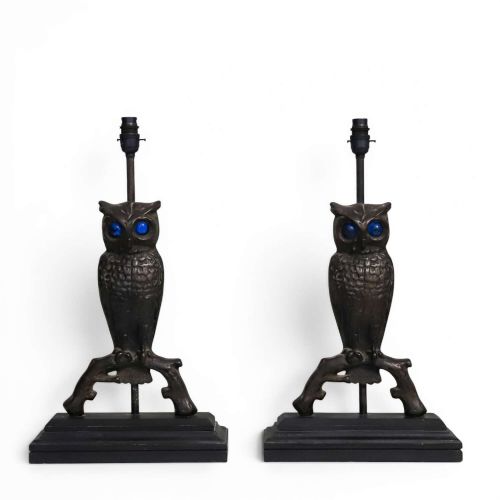
They span desk accessories, tableware, and lighting from the nineteenth and twentieth centuries.
How were novelty inkwells used?
Novelty inkwells served as functional desk accessories where the glass container held liquid ink inside a figural housing like an owl or dog.
They added humour to formal Victorian and Edwardian writing desks while keeping ink secure.
How do I date an antique glass piece?
Dating relies on identifying the manufacturing style, metal hallmarks, and glass colouring techniques typical of specific periods like the Victorian era or Art Deco movement.
Matching the object type to recorded production methods helps narrow the decade of origin.
How should I display these items?
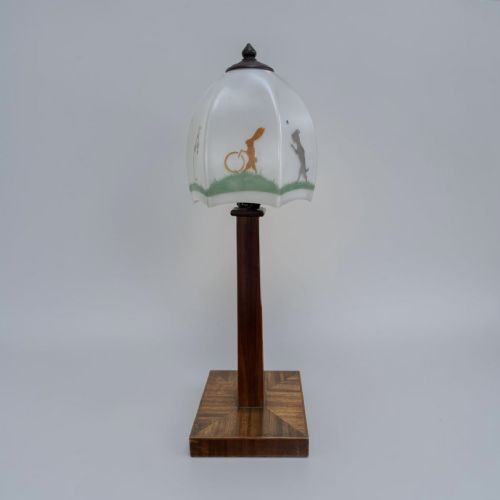
Display these pieces on flat surfaces where light can pass through the glass elements, highlighting colours and internal details.
Grouping items by material or animal theme creates an engaging focal point in a room.