
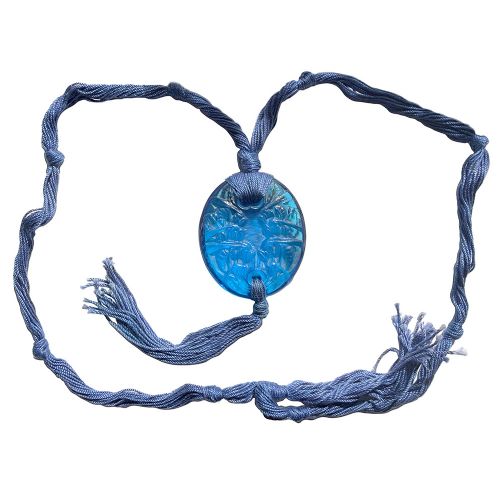
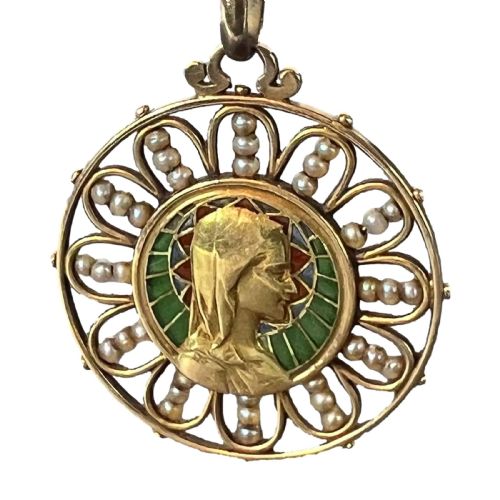


Antique Glass Necklace
An antique glass necklace brings together centuries of lapidary skill and wearable art, offering collectors striking colour and historic charm.
Antique Glass Necklace
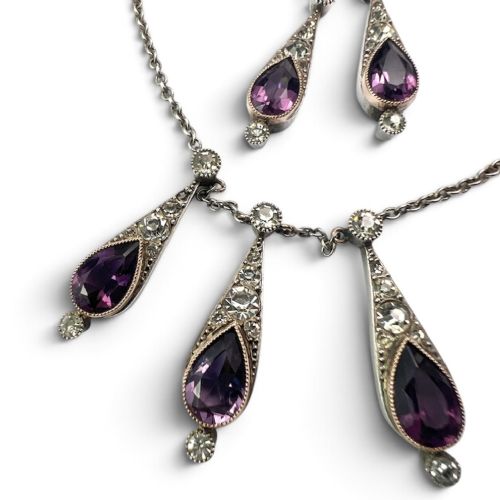
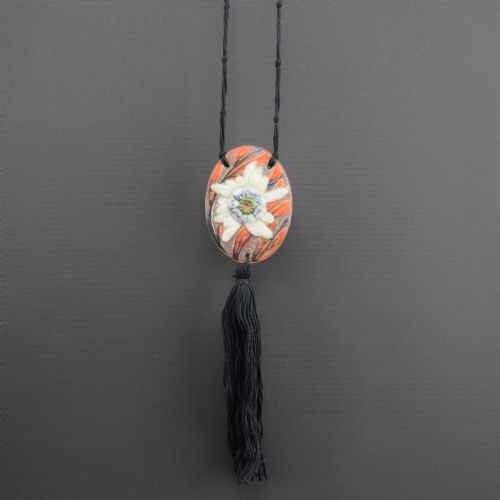
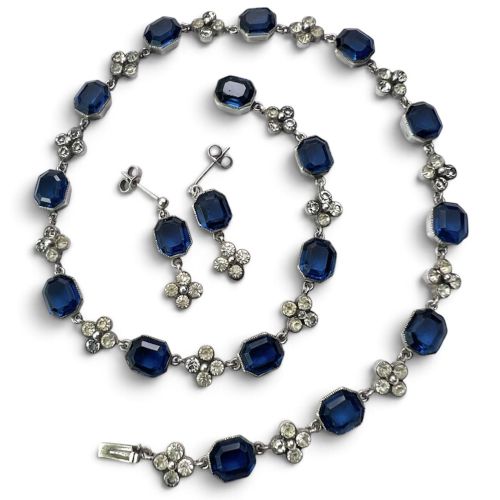
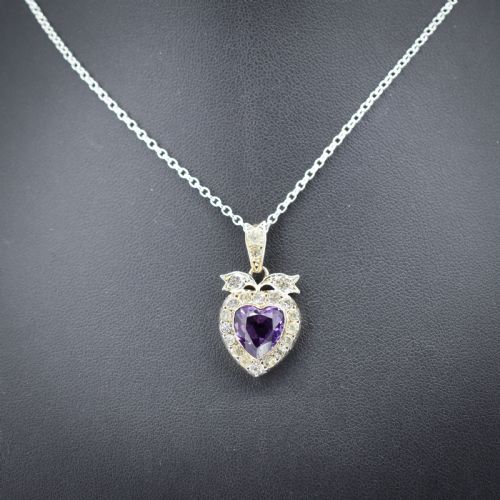
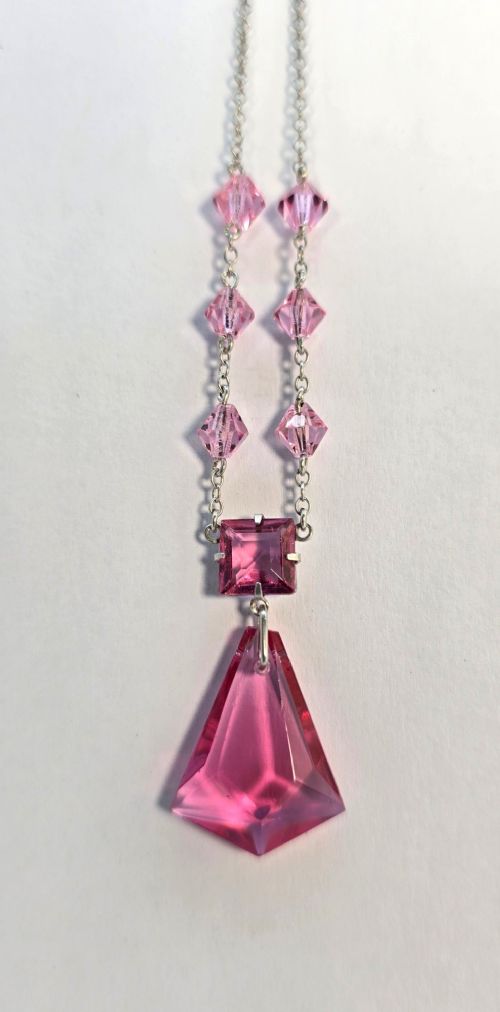
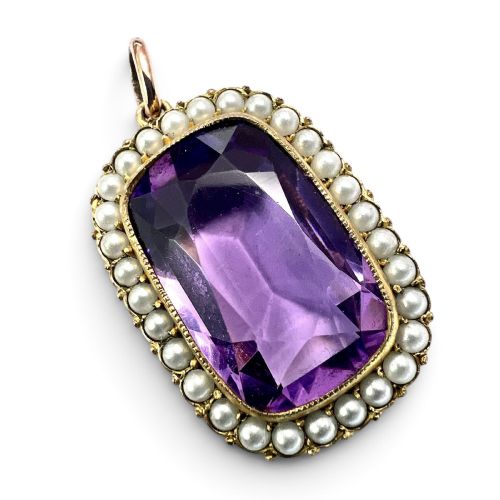
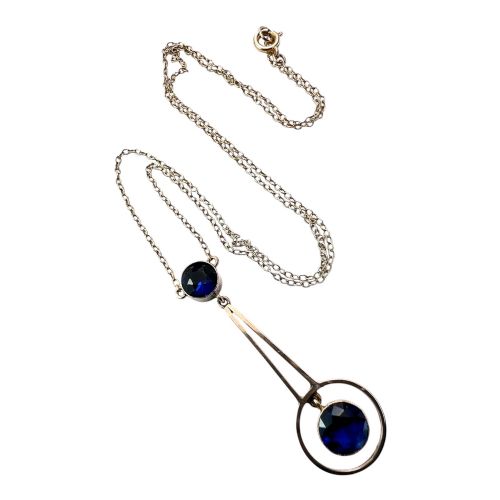
An antique glass necklace spans several distinct eras, encompassing Georgian foiled stones, Victorian paste drops, and Art Deco crystal designs. These pieces often feature glass configured to imitate precious gems, alongside moulded art glass pendants.
The materials range from silver and gold settings to paste glass, moulded glass, and pate-de-verre. Stylistic influences cross from Edwardian floral motifs into geometric Art Deco and organic Art Nouveau.
Buyers encounter everything from delicate lavalier pendants to bold rivière necklaces and intricate enamel combinations. Each period brings its own characteristic weight and mounting technique to the neck.
Assessing craftsmanship and condition
The distinction between standard production and exceptional work lies in the precision of the hand-cutting and the integrity of the metal settings. Hand-cut crystal and meticulously shaped paste display sharper light reflection and secure bezel work.
The finesse of the signature glass techniques, such as the shading in pate-de-verre or the clarity of enamel cells, dictates the standing of the piece. Original fittings and uncompromised metal retainment further elevate the work.
Listings feature periods spanning from the Georgian and Victorian eras through Edwardian designs to Art Deco and 1930s creations.
Argy Rousseau·Gabriel Argy-Rousseau·R Lalique·Rene Lalique
The Antique Glass Necklace Glossary
- Paste
- Highly transparent lead glass cut and polished like a gemstone. It has been utilised for centuries to imitate diamonds and coloured stones.
- Pate-de-verre
- A form of kiln-cast glass created by packing finely crushed glass into a mould and fusing it. This technique yields rich, variegated colour and textured relief.
- Rivière necklace
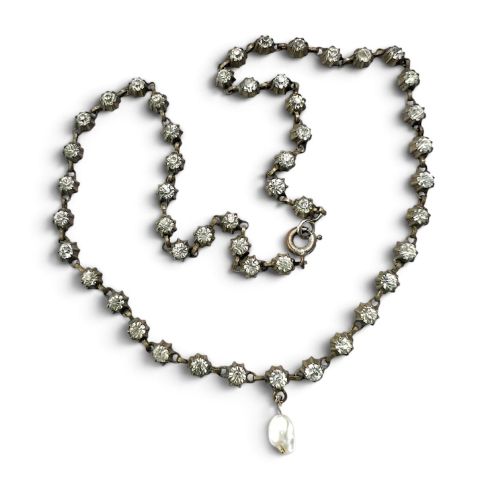
- A continuous strand of gemstones or paste stones of similar size or graduating smoothly. They sit closely around the base of the neck.
- Plique-a-jour
- An enamelling technique where enamel is applied to cells without a backing, allowing light to shine through like stained glass.
- Black dot paste
- Georgian paste stones featuring a small dark foil spot at the culet to mimic the natural inclusions found in old mine-cut diamonds.
Antique Glass Necklace: Frequently Asked Questions
How do I date an antique glass necklace?
Dating relies on examining the metal settings, clasp types, and the cut of the glass components. Georgian and Victorian pieces often feature closed-back foils and hand-cut stones, while Art Deco items display geometric lines and chrome or platinum.
Comparing the stylistic motifs against documented periods helps narrow down the decade of creation. Structural clues within the pendant loop and chain links also offer reliable temporal markers.
What is paste glass in antique jewellery?
Paste is a heavy, high-refractive lead glass shaped by hand-cutting and polishing to resemble precious gemstones. Master artisans used it across the Georgian and Victorian eras to create intricate, accessible parures and pendants.
Unlike modern plastics, quality paste feels cool to the touch and shows precision faceting under magnification. It remains prized for its distinct optical depth and historical significance.
How should I care for fragile glass pendants?
Store each necklace flat in a lined jewellery box to prevent the chain from tangling and chipping the glass elements. Avoid exposing pate-de-verre or enamelled pieces to harsh chemical dips or ultrasonic cleaners.
Use a soft, dry microfiber cloth to gently remove dust from the glass surfaces. Protecting the settings from moisture preserves both the metal and any historic foil backings.
Are these necklaces suitable for daily wear?
Antique glass requires mindful handling due to the delicate nature of historic settings and hand-cut paste. While robust enough for occasional outings, they benefit from being put on after applying perfumes and cosmetics.
Checking the security of the clasp and jump rings periodically prevents accidental loss. Treating them as heirloom accessories ensures their longevity.