





Antique Glass Jewellery Table
An antique glass jewellery table displays small treasures beneath a glazed top, combining storage with the pleasure of viewing personal trinkets.
Antique Glass Jewellery Table
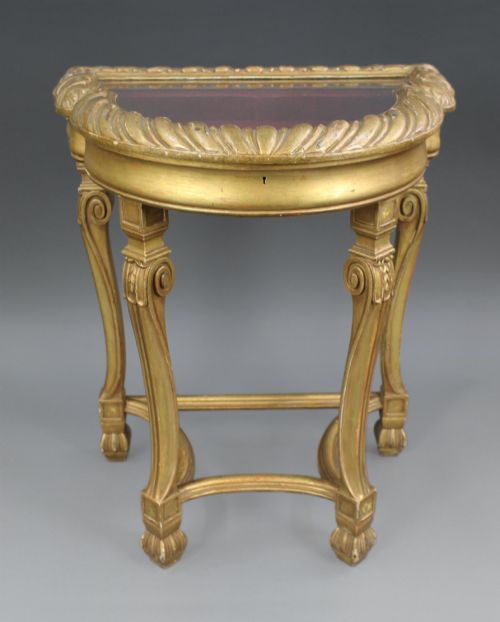
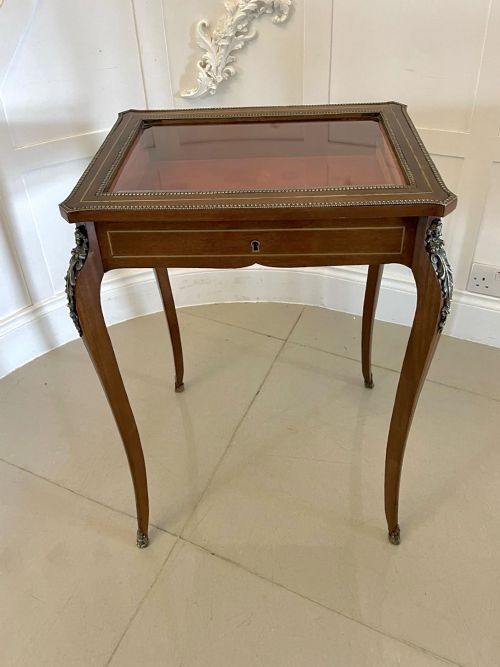
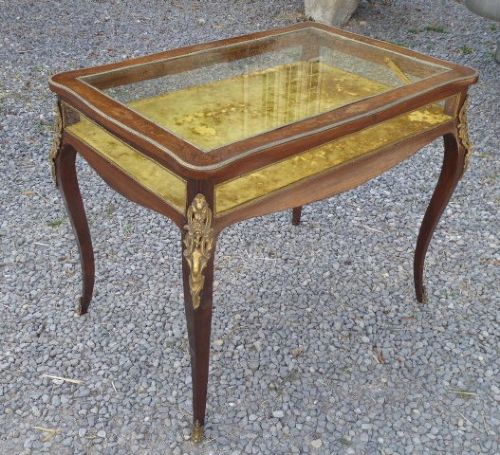
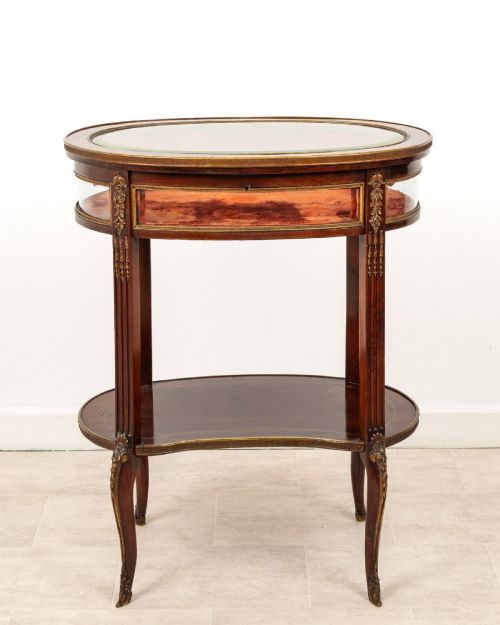
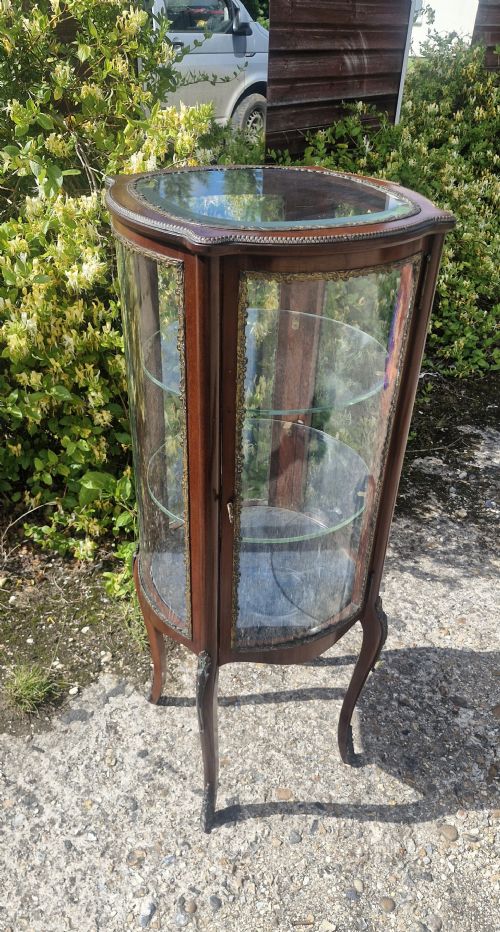
An antique glass jewellery table functions primarily as a vitrine for personal adornments, medals, and small curiosities. These pieces emerged in various domestic spaces during the nineteenth and early twentieth centuries to keep precious items visible yet secure.
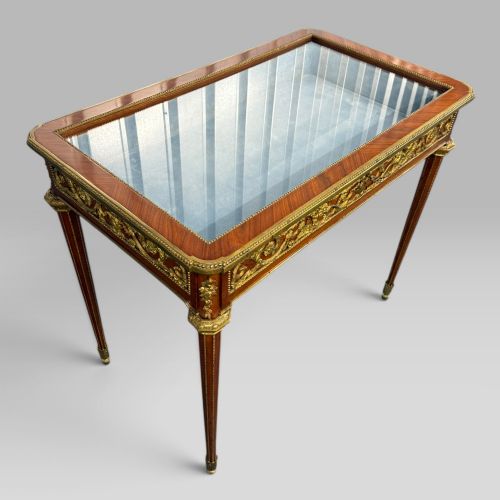
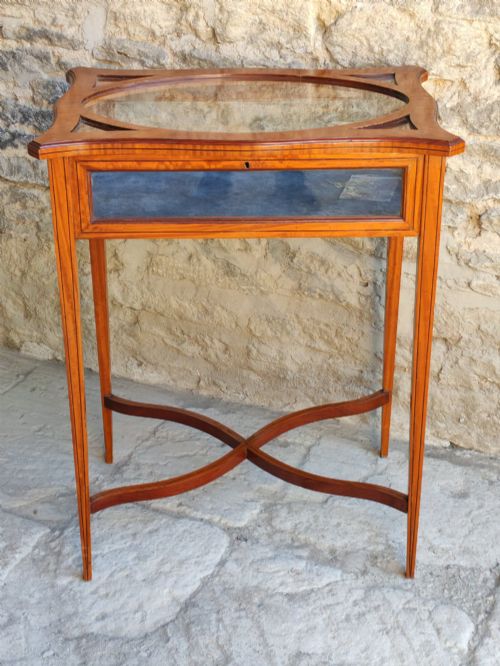
Origins span English cabinet workshops and continental French ateliers, reflecting styles from French Louis XV Revival to clean Edwardian lines. Formats vary from serpentine and kidney shapes to rectangular and octagonal designs.
How they were made
Cabinetmakers utilised hardwoods such as mahogany, satinwood, kingwood, and burr walnut for the structural frames, often incorporating marquetry or delicate inlay. These timbers provided the stable chassis required to support inset glass panels and hinged lids.
Decorative embellishments relied on cast or chased ormolu, gilt bronze, and brass mounts, which framed the glass and accented the corners. Interior surfaces were commonly lined with velvet, fabric, or satin to cushion the jewellery on display.
Glazing involved leaded or clear plate glass fitted securely into rebated wooden frames or metal bezels, frequently accompanied by functional locks and working keys to protect the contents.
Antique Glass Jewellery Table Retail Price Guide 2026
Typical asking prices for glass jewellery table among the pieces listed under this phrase on Sellingantiques today, from the lower quarter to the upper quarter. They describe what is for sale here now, not the wider market.
Listings feature items from the Victorian, Edwardian, and Art Deco periods, constructed in mahogany, satinwood, and kingwood with glass and ormolu.
What varies in quality
The standard of timber selection and cabinetmaking precision dictates the baseline quality of an antique glass jewellery table. Fine examples display carefully matched wood veneers, tight joints, and proportioned serpentine or kidney contours rather than rigid, blocky construction.
The crispness and weight of the metal mounts define the upper tier of production. Finely cast ormolu or gilt-bronze mounts with detailed chasing contrast sharply with simpler, lighter brass stampings found on more utilitarian items.
Interior finishing also distinguishes finer pieces, where hand-stitched velvet linings and robust, original hinges remain intact. The clarity and thickness of the glass panes, together with the smoothness of the opening mechanism, separate workshop standards.
Posen of Frankfurt and Berlin·Lalique
The Antique Glass Jewellery Table Glossary
- Bijouterie table
- A small display table with a glass top and sides designed specifically for showing off jewellery and small decorative items.
- Ormolu
- Gilded bronze or brass applied as a decorative mount on furniture and boxes, popular in French-influenced revival styles.
- Vitrine
- A glass-fronted cabinet or display case intended for protecting and exhibiting objects of vertu.
- Marquetry
- Decorative veneer work where pieces of various woods are assembled to form pictorial or geometric patterns on the surface.
- Serpentine
- A furniture profile characterised by a double-curved line that swells outward and then recesses inward.
Antique Glass Jewellery Table: Frequently Asked Questions
What is an antique glass jewellery table?
An antique glass jewellery table is a specialised display furniture piece featuring a glazed compartment accessed via a hinged top. These tables were designed for drawing rooms and boudoirs to showcase rings, brooches, and small collectables.
They combine the utility of secure storage with the aesthetic pleasure of a tabletop vitrine, allowing owners to view their possessions without handling them constantly.
How were these tables used originally?
In the nineteenth and early twentieth centuries, these tables stood in reception rooms to spark conversation among guests through the display of curated curiosities. Ladies used them to organise and exhibit personal trinkets, watches, and medals.
Inside, fabric or velvet linings cushioned the items, preventing damage to delicate metalwork and gemstones while resting beneath the glass.
How do I distinguish Edwardian from Victorian pieces?
Victorian examples tend to feature heavier timbers, darker finishes like burr walnut, and more ornate carving or robust ormolu mounts. They often reflect revival styles such as French Rococo.
Edwardian pieces generally present lighter woods like satinwood or inlaid mahogany, favouring refined, slender proportions and simpler inlaid details that mirror the changing aesthetic of the early twentieth century.
Where should I place a bijouterie table at home?
These tables fit well in drawing rooms, hallways, or studies where natural light can pass through the glass top to illuminate the interior display. Positioning them away from direct sunlight protects both the wood and any fabric linings from fading.
Ensure the surrounding floor space allows comfortable access to the hinged lid so you can easily open and arrange the contents.