


Antique Glass Dressing Jar
An antique glass dressing jar sits quietly on the dressing table, holding powder, scent or pins with enduring domestic elegance.
Antique Glass Dressing Jar
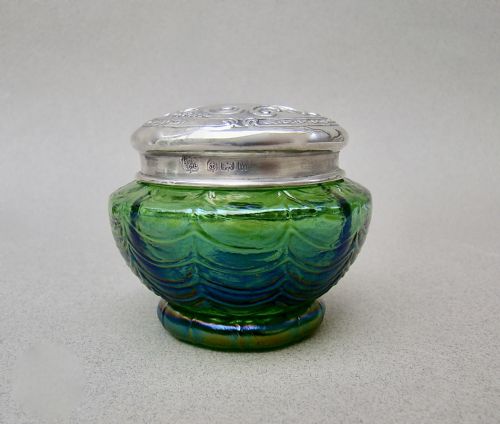
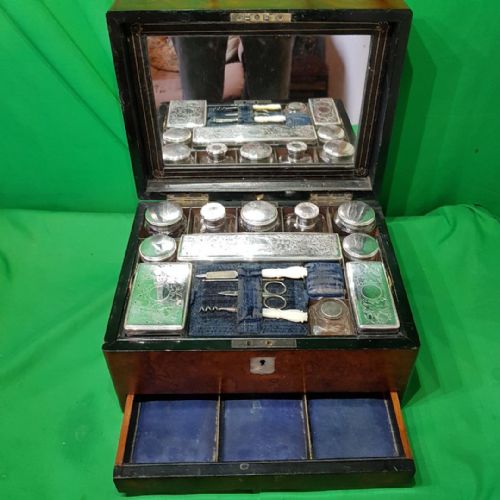
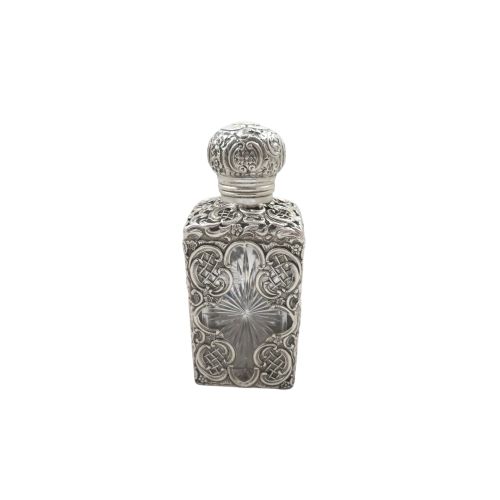
When you search for an antique glass dressing jar, you encounter vessels designed for the vanity, from small powder boxes to heavy scent bottles. The examples on this page span the Victorian and Edwardian eras into the Art Deco period, capturing changing dressing table fashions.
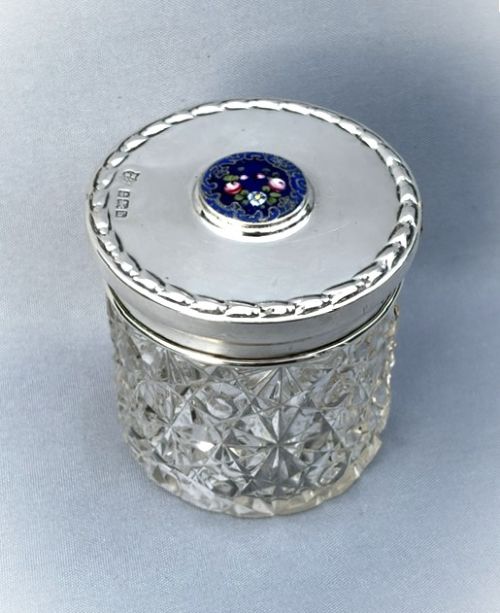
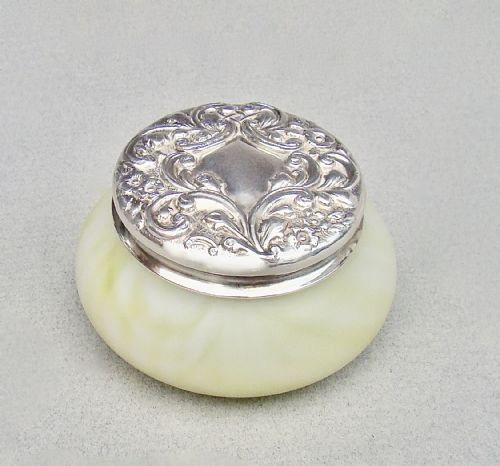
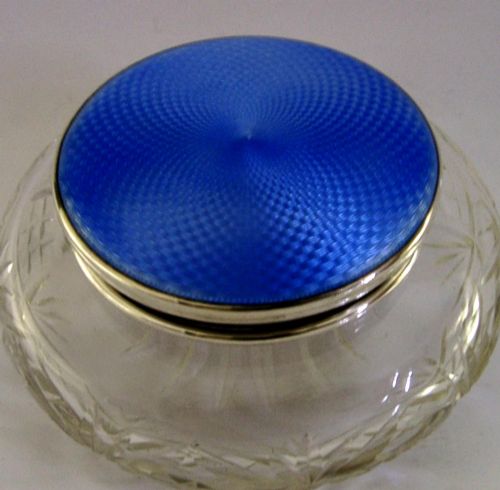
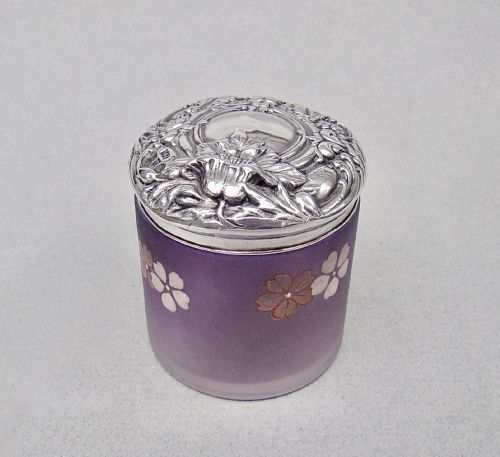
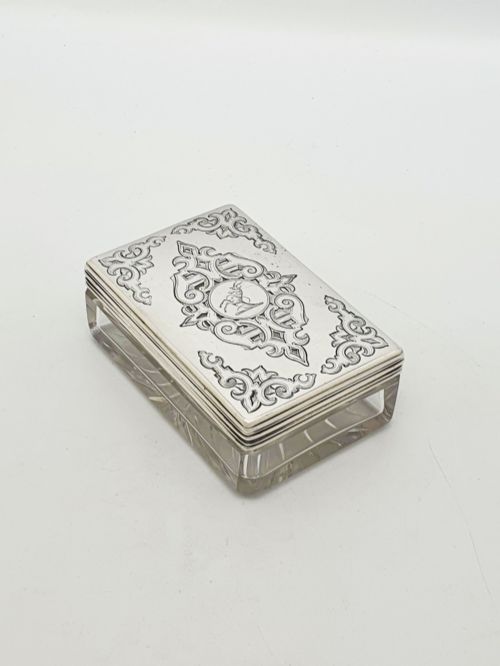
Most pieces combine moulded or cut glass bases with metal lids, frequently sterling silver mounted in Birmingham or London. You will also find coloured glass bodies, including cranberry glass and frosted glass, often paired with enamel or tortoiseshell.
Forms range from cylindrical powder pots to globular perfume flasks and hinged trinket boxes. Many items retain hallmarks that anchor their production to specific early twentieth-century decades or the nineteenth century.
Materials and construction
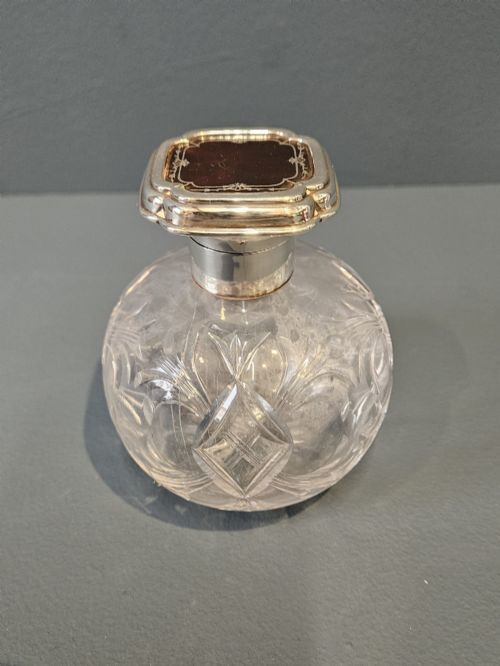
Makers utilised heavy cut crystal and moulded glass to form the main bodies, occasionally incorporating overlay glass or coloured hues such as blue and cranberry. These glass elements provide substantial weight and depth.
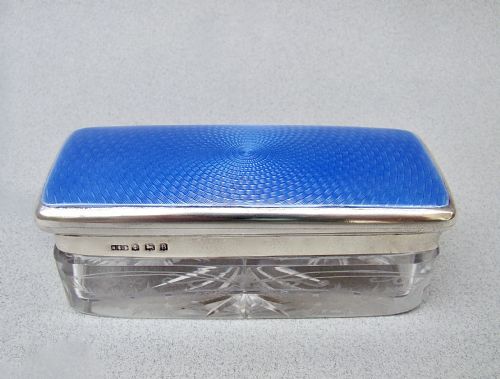
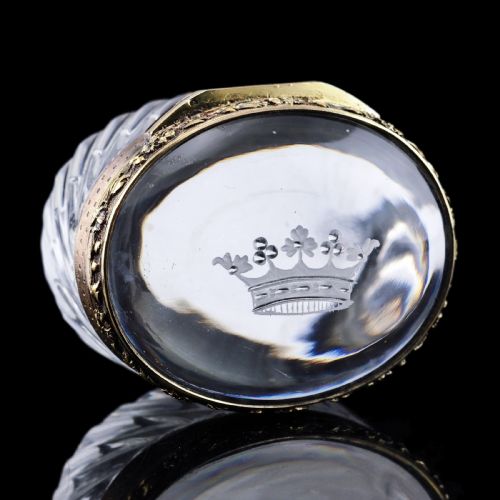
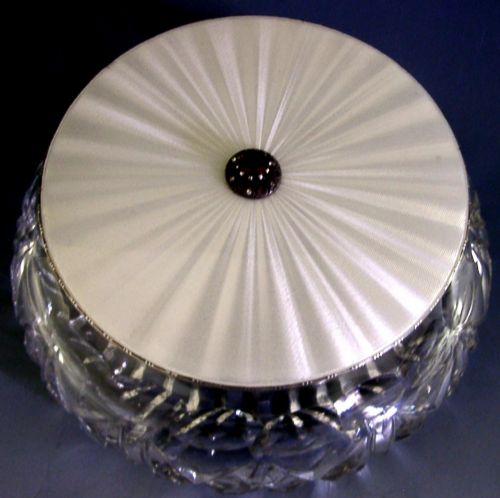
Lids and mounts predominantly feature sterling silver, sometimes gilt, worked with repoussé decoration, engine-turning or guilloché enamel. Artisans also integrated organic materials like tortoiseshell and velvet into the mountings.
Listings feature sterling silver, cut crystal, enamel and tortoiseshell across Victorian, Edwardian and Art Deco periods.
Distinctions in craftsmanship
Quality rests in the crispness of the glass cutting and the precision of the silver mount fit. Finer pieces display deep, sharp facets on the crystal and flawless enamel work on the lids.
The weight of the glass and the thickness of the silver indicate superior manufacture. Maker marks and clear hallmarks from established silversmiths further elevate the standing of an individual piece.
A. J. Pepper & Co·Henry Clifford Davis·A. Bromet & Co·Rene Lalique·Henry Perkins·Posen·Adie Brothers Ltd
The Antique Glass Dressing Jar Glossary
- Guilloché enamel
- A decorative technique where a precise pattern is mechanically engraved beneath a translucent enamel layer. This method was widely favoured during the Edwardian and Art Deco periods.
- Sterling silver
- An alloy consisting of silver and other metals, standardly marked to denote purity. Most British dressing table jars utilise this metal for their protective collars and lids.
- Cranberry glass
- A rich red-pink glass created by adding gold chloride to the molten batch. It appears frequently in Victorian dressing table accessories.
- Hallmark
- A series of official marks stamped on precious metals indicating the maker, assay office and year of testing. These stamps allow precise dating of the silver mounts.
Antique Glass Dressing Jar: Frequently Asked Questions
What is an antique glass dressing jar used for?
These jars originally held cosmetics, perfumes, powders and small jewellery items on a dressing table. They kept delicate vanity supplies contained while offering a decorative display.
Today, they serve similar functions in modern bathrooms and bedrooms, holding contemporary scents, cotton wool or trinkets while retaining historical charm.
How do I date a silver mounted glass jar?
Dating relies primarily on the assay office marks and date letters stamped onto the sterling silver mounts. These hallmarks reveal the exact year the metal component was tested and certified.
Stylistic cues in the glass cutting, such as Edwardian floral motifs or Art Deco geometric enamel, help corroborate the production period.
How should I clean antique glass and silver?
Glass bodies benefit from warm soapy water and a soft cloth to restore clarity. Care must be taken around enamel or tortoiseshell elements to avoid moisture damage.
Silver mounts require a gentle polish with a specialist cloth, keeping cleaning compounds away from the glass joints and interior linings.
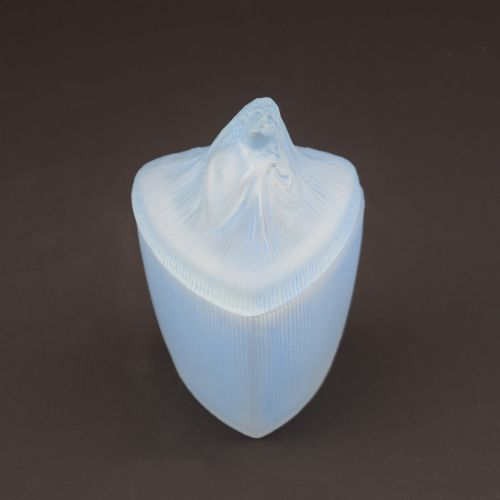
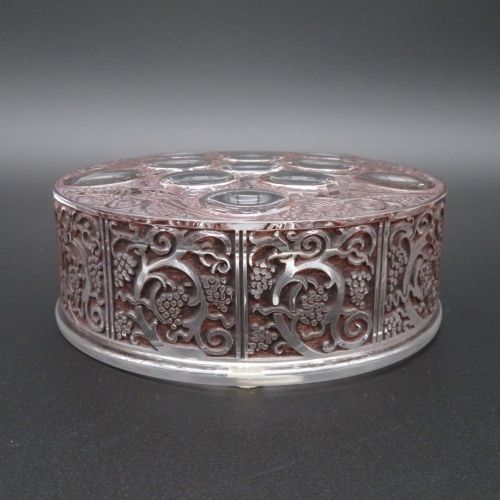
Are Lalique dressing boxes different from standard jars?
Lalique pieces focus heavily on moulded art glass rather than functional cut crystal paired with silver mounts. These items showcase sculptural lids and characteristic frosted finishes.
They represent a distinct shift from traditional Victorian vanity items towards modernist artistic design.