


Antique Glass Decor
Antique glass decor comprises centuries of domestic objects and mirrors crafted from cut, iridescent, and painted glass.
Antique Glass Decor
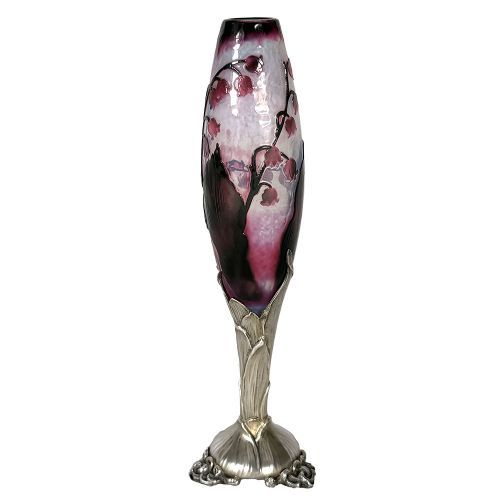
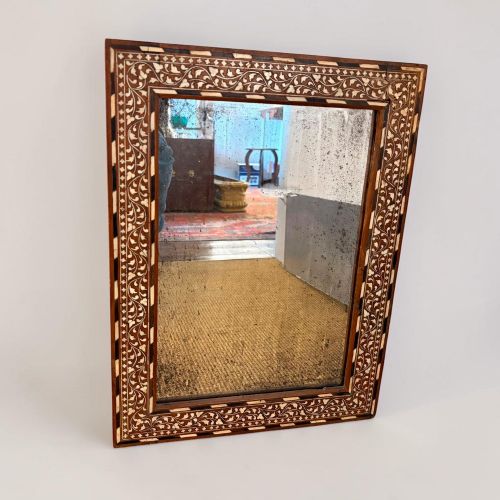
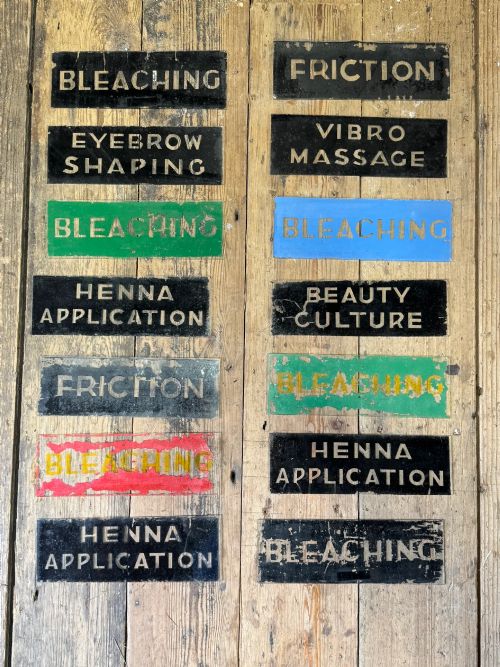
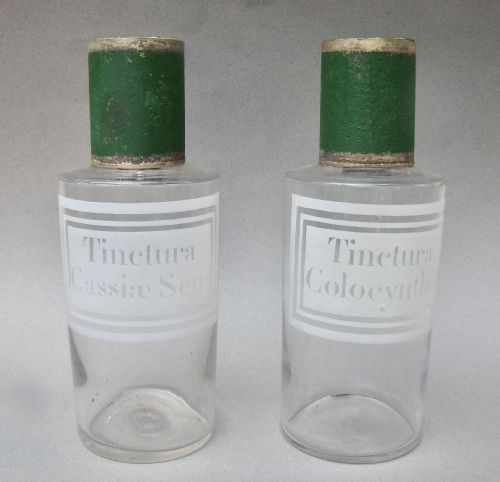
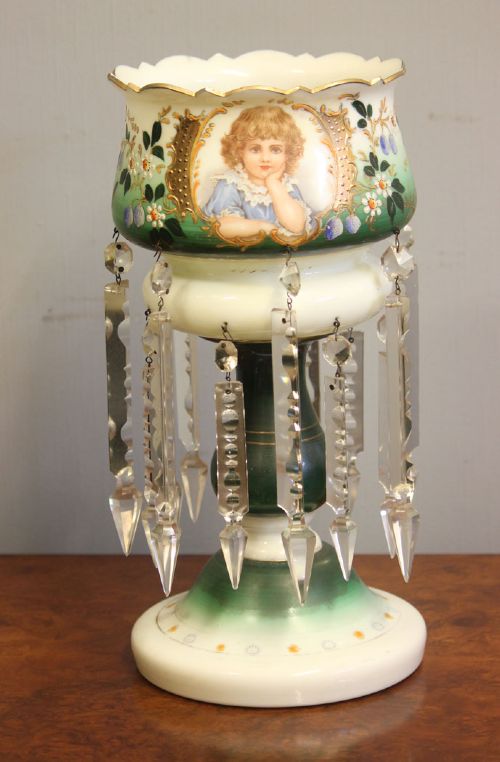
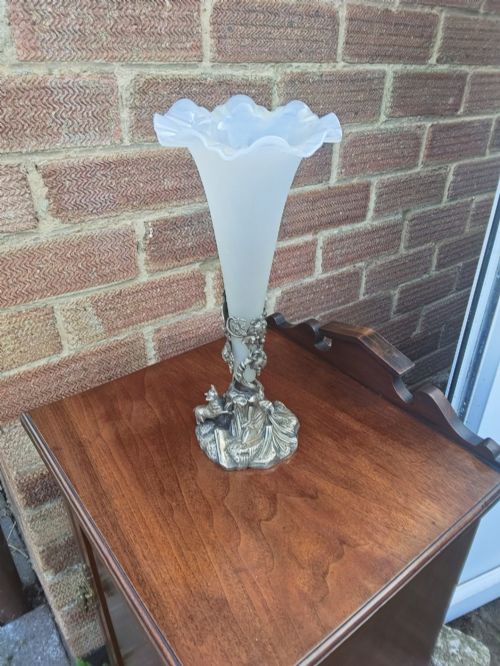
When you search for antique glass decor, you encounter a varied assortment of nineteenth and twentieth-century items, spanning from Georgian reverse glass prints to Art Nouveau vases. The selection relies heavily on decorative home accessories like mirrors, wall signs, apothecary jars, and table lustres.
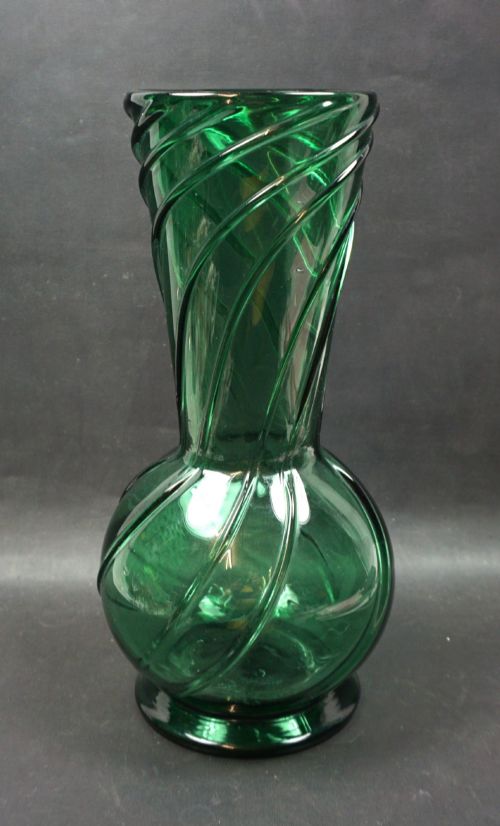
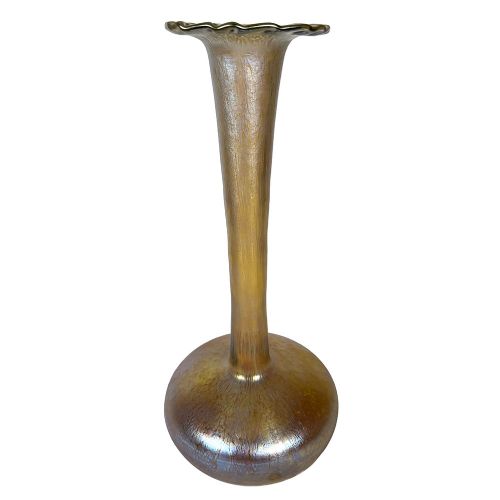
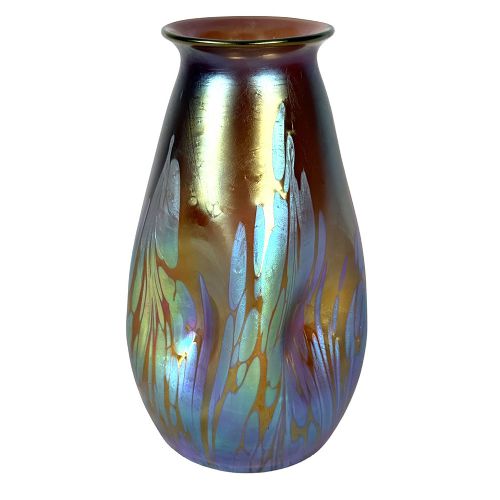
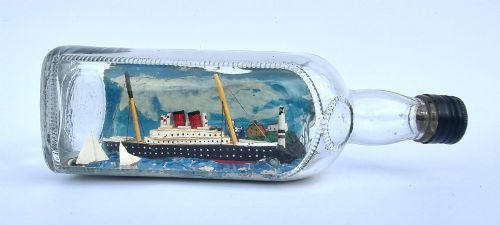
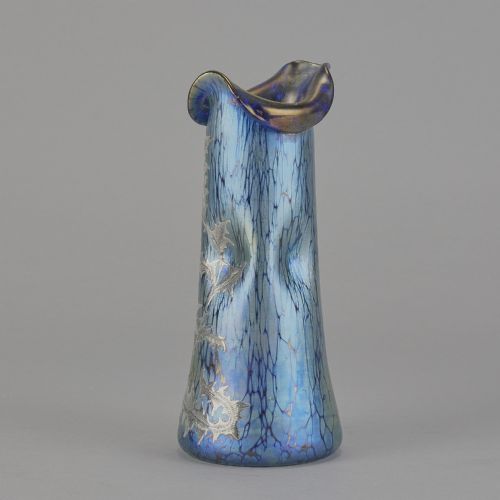
Vases and vessels dominate the visual landscape, particularly iridescent specimens and coloured glass items associated with the Victorian and Art Nouveau periods. Folk art traditions also emerge through ship in a bottle dioramas and framed reverse-painted signs.
Buyers frequently encounter English and continental European origins, with French, Italian, and Austrian workshops representing significant portions of the glassware. These pieces reflect shifting domestic tastes from utilitarian apothecary vessels to ornate drawing-room showpieces.
How they were made
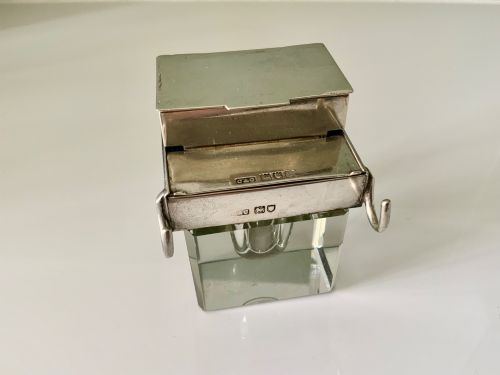
Makers utilised free-blowing, mould-blowing, and wheel-carving techniques to shape the primary glass bodies, often combining them with brass, wood, or white metal mountings. Surface decoration involved hand-painting, enamelling, etching, and reverse printing onto glass panels.
Specialised treatments such as silvering and chemical fuming created the characteristic optical effects seen in iridescent and peach-toned mirrors. Frames and backing boards incorporated secondary materials like walnut, cork, and gold leaf to complete the functional decor objects.
Antique Glass Decor Retail Price Guide 2026
Typical asking prices for glass decor among the pieces listed under this phrase on Sellingantiques today, from the lower quarter to the upper quarter. They describe what is for sale here now, not the wider market.
A nineteenth-century glass spirit dispensing barrel lamp brings illuminated hospitality directly to the antique household.
What varies in quality
The degree of artistic execution in surface decoration distinguishes standard utility wares from finer cabinet pieces, particularly in hand-painted enamelling and reverse glass prints. Intricacy of wheel-carved motifs and the chemical depth of iridescent finishes also separate workshops.
Structural integrity of mounts, frames, and enclosed dioramas dictates overall execution standards. Items featuring signed mounts or documented attribution to notable glass houses display superior craftsmanship.
Loetz·Georg Adam Scheid·Daum·Hermes Paris·G & L Guanziroli London
The Antique Glass Decor Glossary
- Iridescent glass
- Glass treated with metallic salts while hot to produce a shimmering, rainbow-like surface sheen. This technique gained immense popularity during the Art Nouveau period.
- Reverse glass painting
- An artistic method where the image is painted directly onto the back of a glass panel so that it is viewed correctly through the front. Georgian prints and signs frequently utilised this technique.
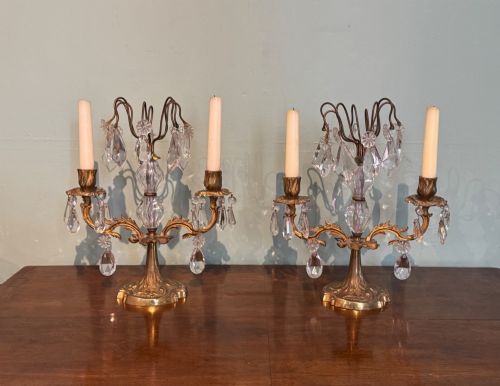
- Lustre
- A decorative table ornament featuring hanging crystal prisms designed to catch and reflect candlelight. Victorian examples often incorporated cranberry or opaque white glass.
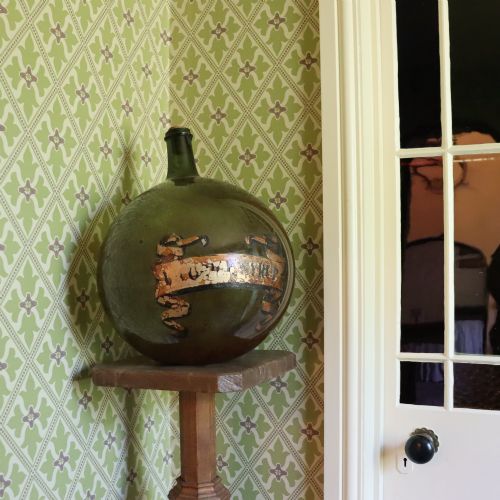
- Carboy
- A large, bulbous glass vessel traditionally used for holding chemical liquids in apothecary shops. Nineteenth-century examples served as prominent window displays.
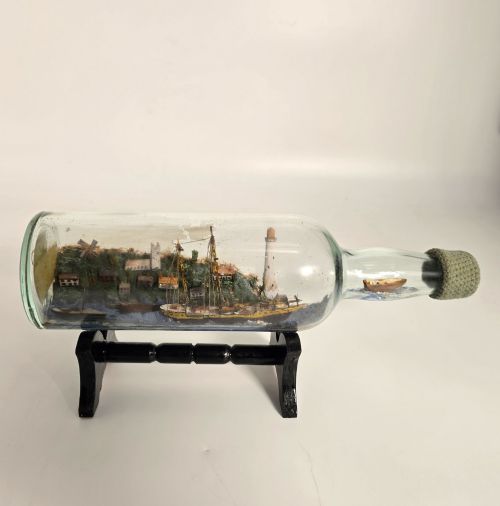
- Diorama
- A three-dimensional miniature scene enclosed within a glass bottle or container. Folk art examples frequently depict sailing ships with detailed rigging.
Antique Glass Decor: Frequently Asked Questions
What is an apothecary carboy?
An apothecary carboy is a large glass container originally utilised by chemists to store liquids or display coloured water in shop windows.
These robust vessels date primarily to the nineteenth century and function as striking decorative floor or table pieces today.
How do glass lustres work?
Glass lustres function as decorative mantel ornaments equipped with hanging crystal pendants that refract ambient light.
Originating in earlier centuries, they were traditionally displayed in pairs on drawing-room fireplaces during the Victorian era.
What are reverse glass prints?
Reverse glass prints are historical artworks created by applying an engraving or pigment directly onto the rear surface of a glass pane.
Popular during the Georgian period, they require careful framing to protect the delicate paint layer from moisture and dust.
How should I display a ship in a bottle?
A ship in a bottle requires a stable, level surface away from direct sunlight and sudden temperature fluctuations to preserve the internal rigging and wood.
These folk art dioramas sit securely on small wooden display stands or directly on flat mantelpieces.