






Antique Glass Collection
An antique glass collection brings together historic vessels, mirrors and decorative pieces that capture centuries of craft and domestic life.
Antique Glass Collection
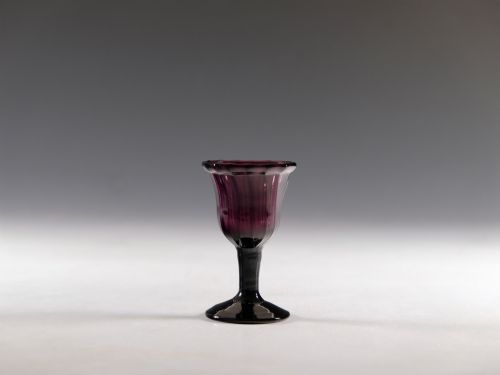
An antique glass collection gathers disparate historic pieces, ranging from Georgian wine glasses and Victorian cranberry glass to display cabinets designed to house them.
Buyers seeking an antique glass collection most frequently encounter groupings of tableware, decorative items, or specialised vessels originating from the eighteenth, nineteenth, and early twentieth centuries.
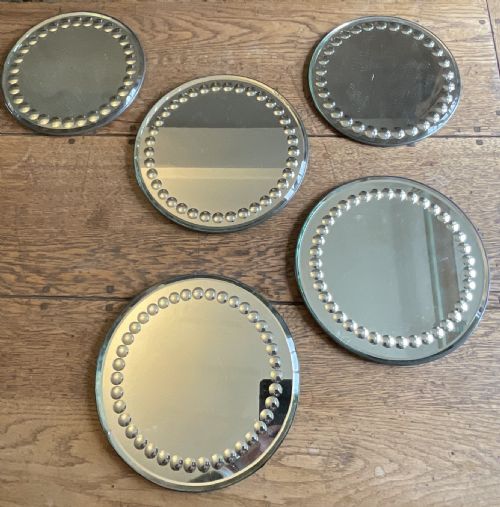
These assemblies often include sets of drinking glasses, apothecary bottles, and mirror pieces, reflecting the diverse domestic and commercial uses of glass across different periods.
Factors of quality
The standard of an assembly rests upon the consistency and condition of the individual pieces, particularly where hand-blown or engraved details are concerned.
Completeness within suites or sets elevates the standing of the items, as does the integration of associated materials like carved mahogany or silver mounts.
Antique Glass Collection Retail Price Guide 2026
Typical asking prices for glass collection among the pieces listed under this phrase on Sellingantiques today, from the lower quarter to the upper quarter. They describe what is for sale here now, not the wider market.
Listings feature periods spanning the eighteenth, nineteenth, and early twentieth centuries, incorporating materials such as mahogany, silver, enamel, and various forms of glass.
H. J. Hatfield & Sons
The Antique Glass Collection Glossary
- Cranberry glass
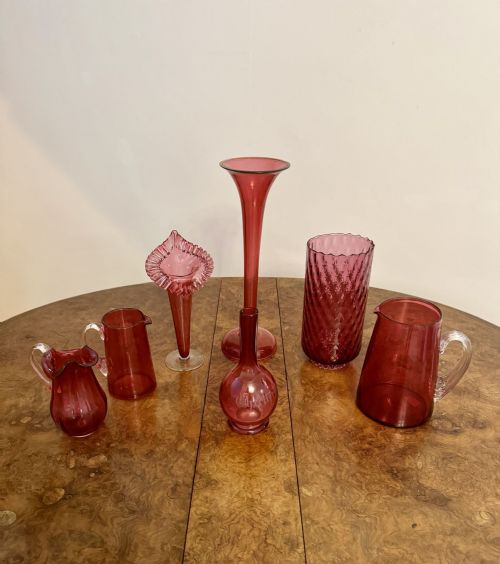
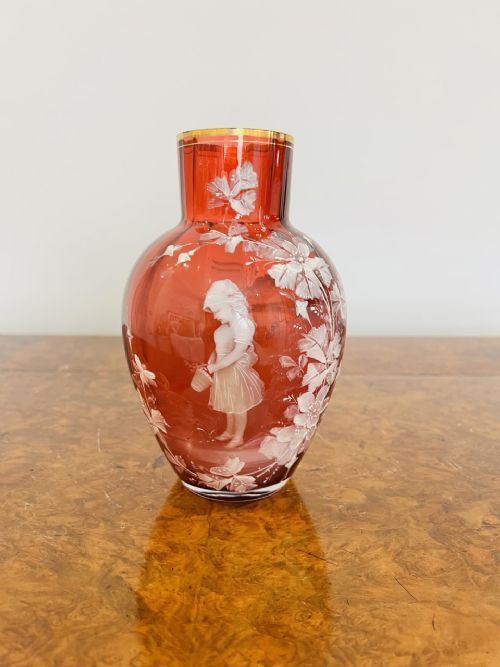
- A rich red glass produced by adding gold chloride to the molten batch. It gained popularity during the Victorian era for decorative tableware and vases.
- Baluster wine glass
- A heavy drinking vessel featuring a stem shaped like an architectural baluster, typical of eighteenth-century English manufacture.
- Bijouterie cabinet
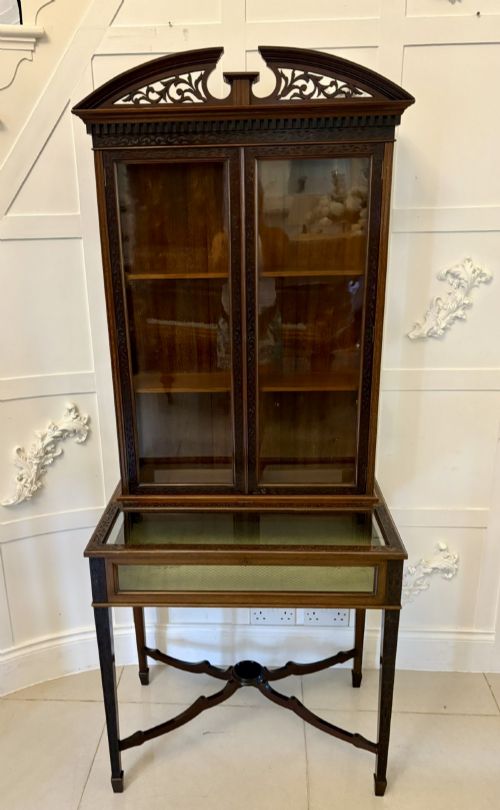
- A specialised display table or cabinet constructed from mahogany, oak, or gilt-bronze with glass panels, designed specifically to showcase small decorative collections.
- Reverse-painted glass
- A technique where the artist paints directly onto the back of a glass panel so the design is viewed correctly from the front.
Antique Glass Collection: Frequently Asked Questions
How do I store antique glassware?
Keep items in stable environments away from direct sunlight and dramatic temperature fluctuations. Ensure shelves are lined or padded to protect delicate bases.
Wash pieces by hand using lukewarm water and mild soap, avoiding sudden changes in water temperature to prevent cracking.
How do I identify Georgian glass?
Georgian pieces often display heavy lead metal content, which gives them a distinctive ring and clarity. Look for pontil marks on the base where the glassblower's rod was snapped off.
Stems on wine glasses from this period frequently exhibit air twists, opaque twists, or baluster forms characteristic of eighteenth-century techniques.
What is Victorian cranberry glass?
Victorian cranberry glass refers to decorative glassware coloured with gold, ranging from pale pink to deep ruby red. It became a staple of nineteenth-century parlours and dining rooms.
Porter pieces often feature applied clear glass feet, handles, or delicate enamel decoration painted across the surface.
How are display cabinets suited for collections?
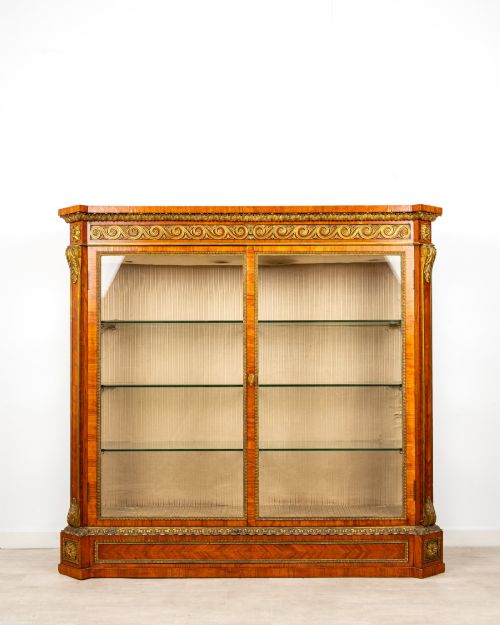
Bijouterie cabinets and display tables provide secure, dust-free enclosures with glass tops and sides for smaller items. Mahogany and gilt-bronze frames complement the objects stored inside.
These pieces often feature lined interiors, such as velvet or fabric, to hold items safely in place.