




Antique Girl Sculpture
When you handle an antique girl sculpture, you hold figures shaped in bronze, marble, and earthenware across Victorian and Art Deco periods.
Antique Girl Sculpture
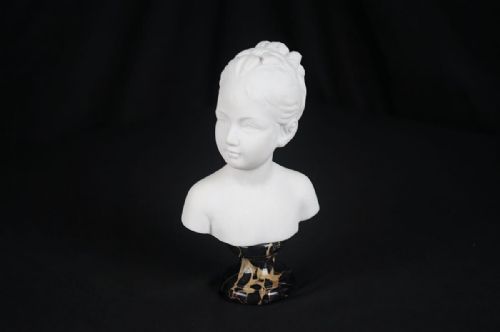
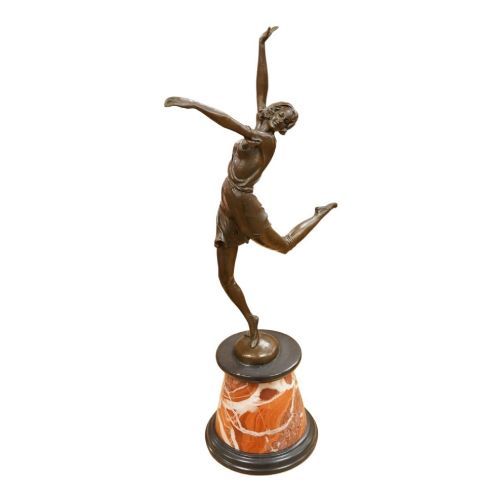
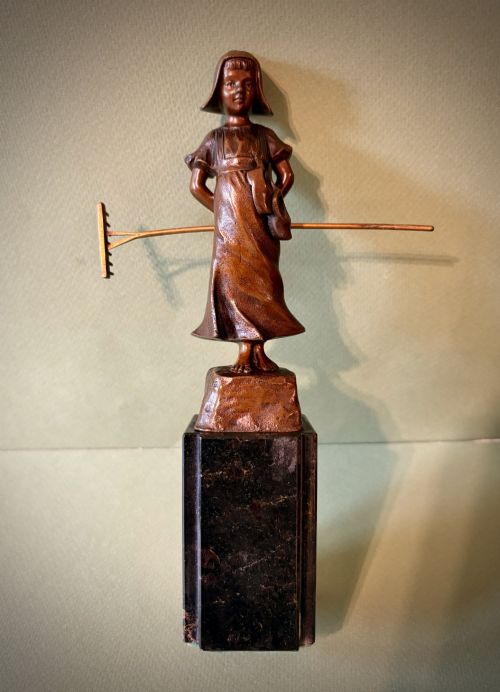
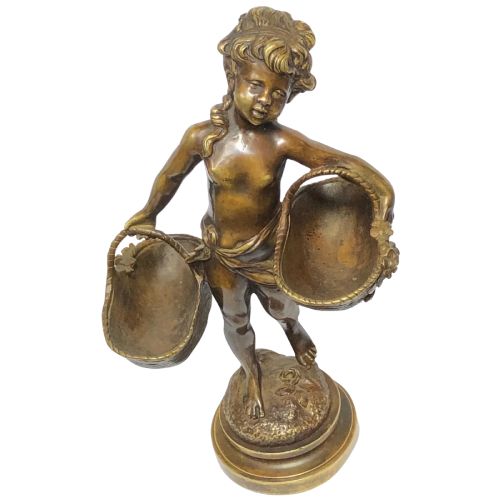
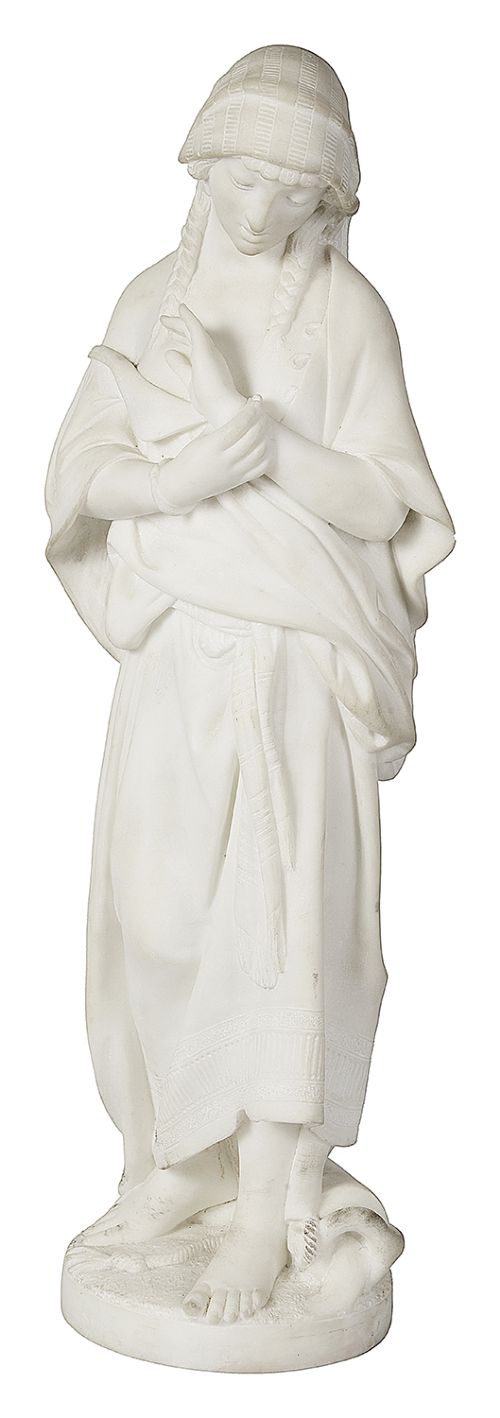
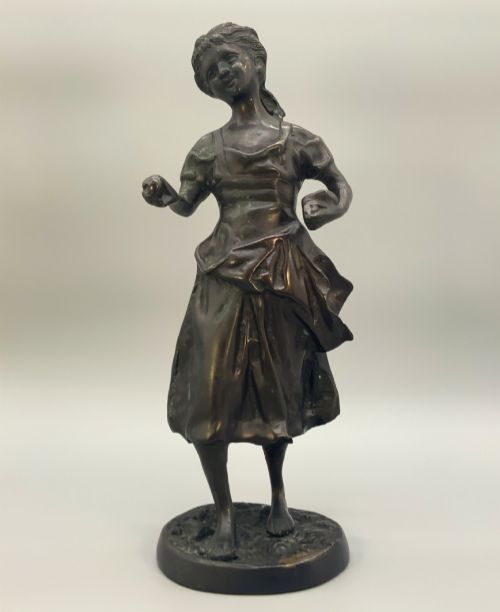
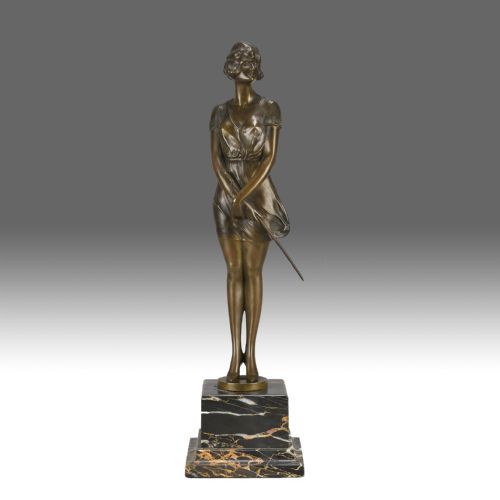
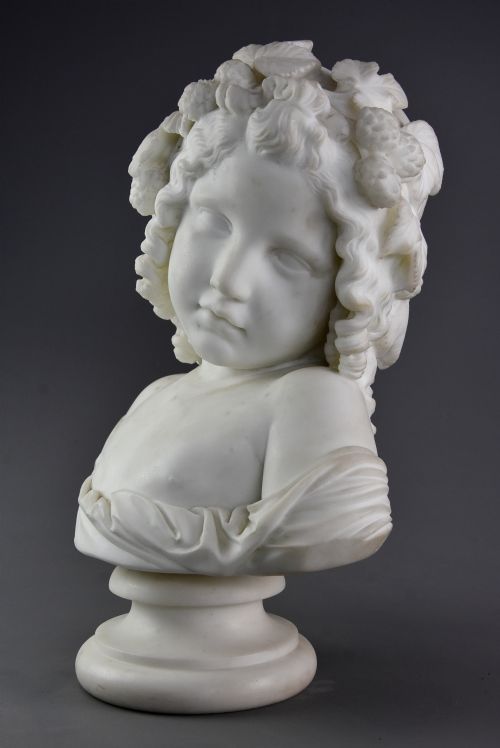
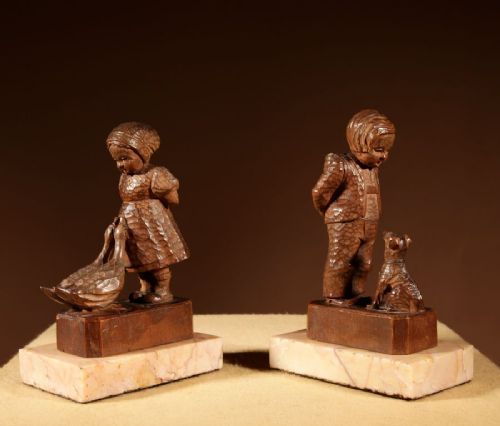
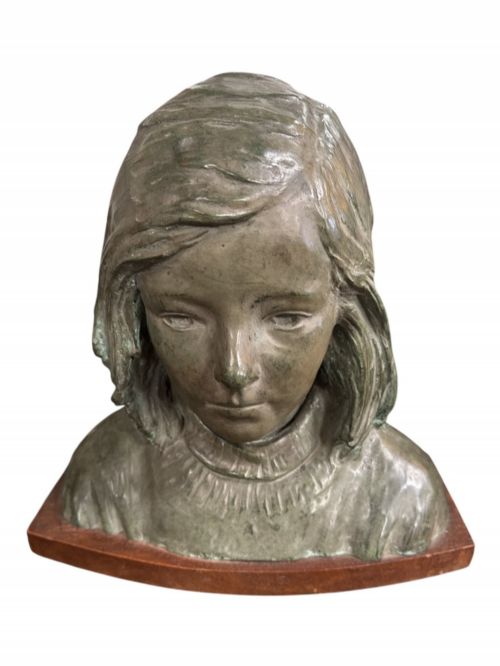
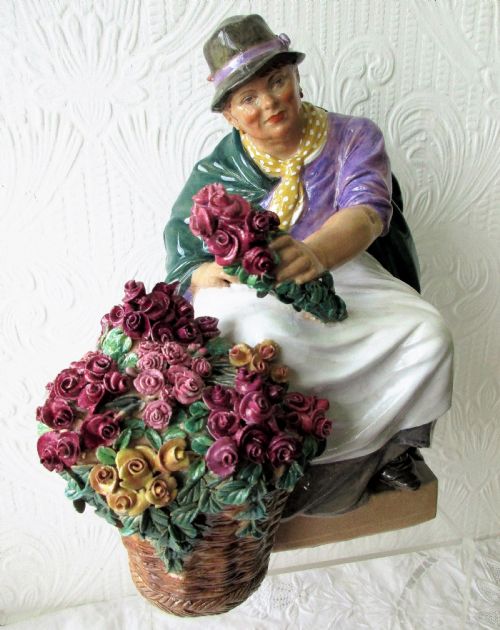
An antique girl sculpture brings together figurative studies in bronze, marble, alabaster, earthenware, and porcelain depicting young maidens, dancers, and country figures. These works span the nineteenth century through the Art Deco era of the nineteen twenties and thirties, covering French, Austrian, Italian, and English origins. Buyers searching for an antique girl sculpture will encounter full-length standing figures, dancers, and portrait busts mounted on stone bases or integrated into jardinieres.
The most common examples on this page are European bronzes from the late nineteenth and early twentieth centuries, alongside carved marble busts and ceramic figures. Works range from patinated and cold-painted bronze studies of runners and dancers to carved alabaster and Carrara marble portrayals of young girls with flowers, mandolins, or animals.
Materials and construction
Metals such as bronze and cast iron are cast using traditional methods, often receiving patinated, gilt, or cold-painted surfaces to define clothing and hair. Bronze figures frequently pair with marble or onyx bases, anchoring the weight of the metal.
Antique Girl Sculpture Retail Price Guide 2026
Typical asking prices for girl sculpture among the pieces listed under this phrase on Sellingantiques today, from the lower quarter to the upper quarter. They describe what is for sale here now, not the wider market.
Listings feature works spanning the nineteenth century through the Art Deco period, utilising bronze, marble, alabaster, earthenware, and porcelain.
Distinctions in execution
Quality rests in the crispness of the casting or the sensitivity of the carving, where facial expressions, hands, and drapery folds retain sharp detail and natural proportion. Weaker pieces display soft edges, hurried surface chasing, or heavy paint application that obscures the material beneath.
The selection of materials dictates the finish, with dense Carrara marble and heavy patinated bronze sitting at the upper end of sculptural ambition. Signatures, foundry marks, and attribution to known modellers separate standard studio output from named artistic production.
Auguste Moreau·Bruno Zach·Josef Lorenzl·Charles Vyse·C J R Colinet·Gilbert Privat·H. Chiparus·Bernard Bloch·Geo Maxim·Emmanuel Villanis
The Antique Girl Sculpture Glossary
- Cold-painted bronze
- A method where bronze figures receive non-fired paint finishes applied over a metallic base. This technique was widely utilised by Austrian workshops during the early twentieth century.
- Carrara marble
- A white or blue-grey marble quarried in the city of Carrara in Tuscany, favoured by sculptors for portrait busts and classical figures due to its fine grain.
- Patinated bronze
- Metal sculpture treated with chemicals, heat, or acids to produce a coloured surface layer ranging from deep brown to green. This treatment protects the bronze and accentuates sculptural contours.
- Parian
- A type of fine-grained, unglazed porcelain developed in the nineteenth century that resembles carved white marble. It was frequently used for Victorian portrait busts and small figurines.
- Alabaster
- A soft mineral stone, typically translucent and white, carved into decorative busts and small vessels. It requires gentle handling due to its susceptibility to moisture.
Antique Girl Sculpture: Frequently Asked Questions
What materials were used for these sculptures?
Sculptures in this category are fashioned primarily from bronze, Carrara marble, alabaster, earthenware, and porcelain. Many metal pieces incorporate patinated or cold-painted finishes.
Heavier works frequently combine bronze figures with solid marble or onyx bases, while ceramic and porcelain examples utilise hand-painted glazes and majolica.
How do I identify the period of a piece?
Periods are identified through stylistic cues such as Victorian realism, Art Nouveau organic lines, or Art Deco geometric simplification. Material choices and casting techniques also align with specific decades.
Signatures, foundry stamps, and carved inscriptions provide further historical context when present on the base or reverse of the sculpture.
Where were these figures made?
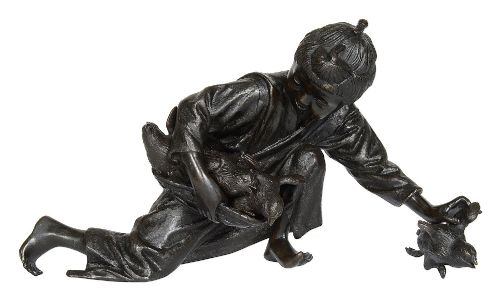
The majority of the pieces originate from European workshops, with significant representation from France, Austria, Italy, and England. Japanese Meiji period bronzes also appear within the selection.
Production centres ranged from large industrial potteries and foundries to individual artist studios in Florence, Paris, and London.
How should I display a marble or bronze sculpture?
Place stone and metal sculptures on stable, level surfaces capable of supporting their weight, such as wooden sideboards, pedestals, or dedicated display tables. Ensure they avoid damp environments to protect alabaster and unsealed stone.
Keep pieces away from direct heat sources and bright sunlight to preserve painted surfaces and cold-painted bronze pigments.