



Antique Gilt Moulding
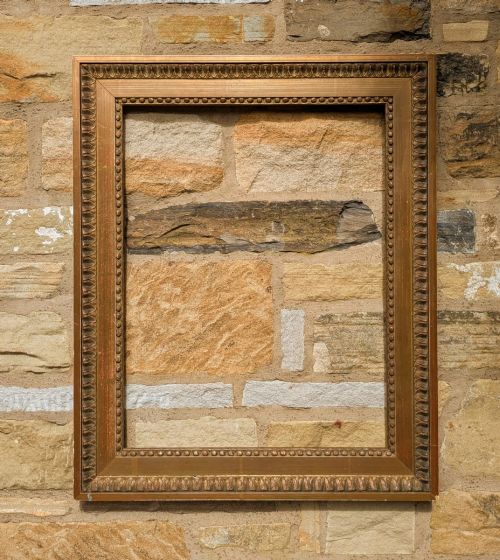
These pieces of antique gilt moulding bring warmth and architectural structure to walls, framing mirrors and artwork with golden surface detail.
Antique Gilt Moulding
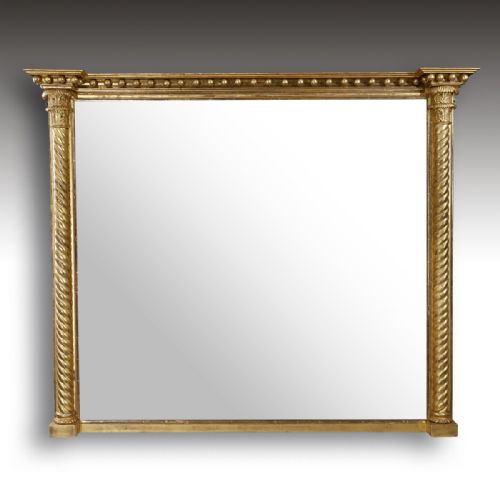
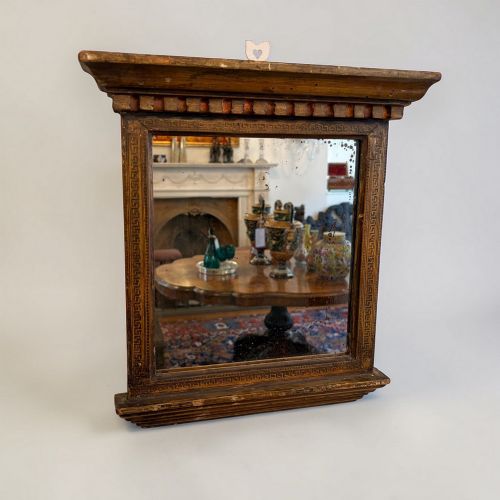
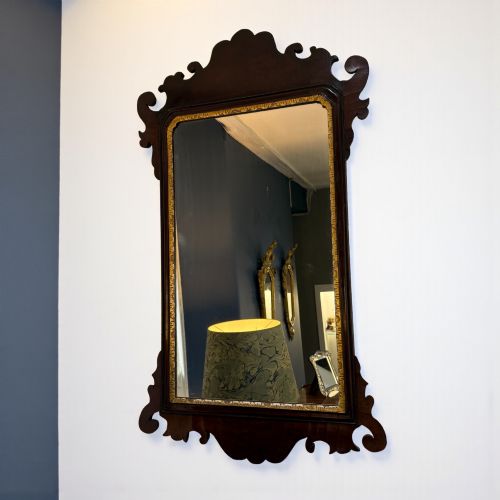
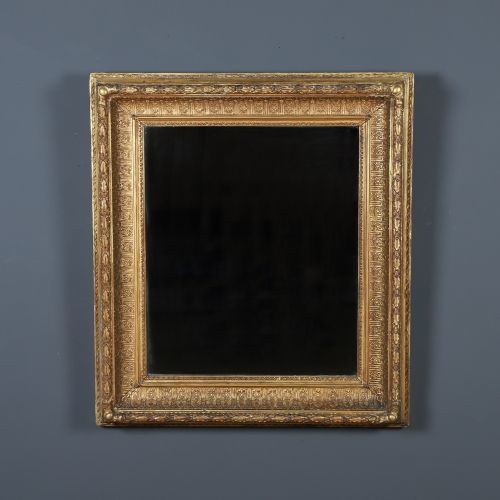
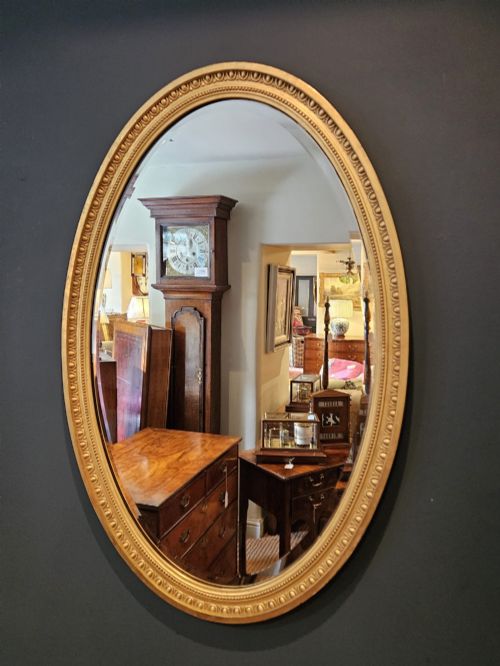
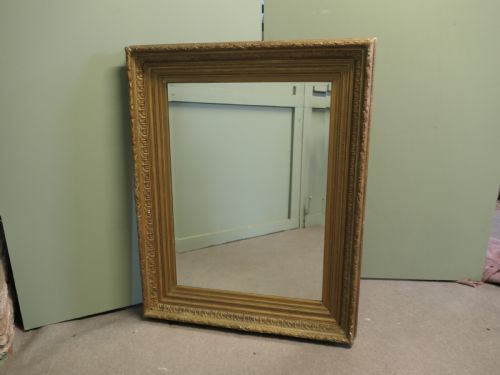
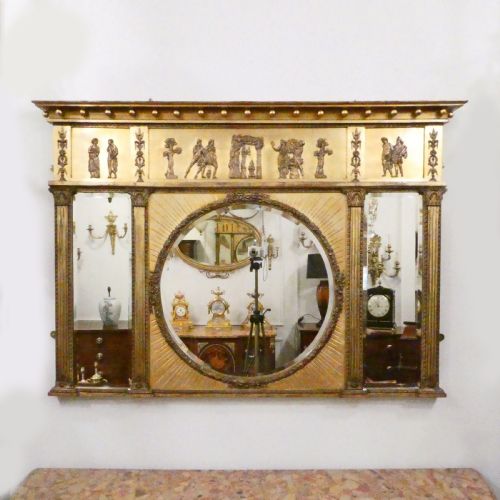
When you search for antique gilt moulding, you encounter decorative elements primarily utilised in framed mirrors, picture frames, and overmantel mirrors. These architectural pieces define interior spaces through gilded wooden surrounds designed to catch the light.
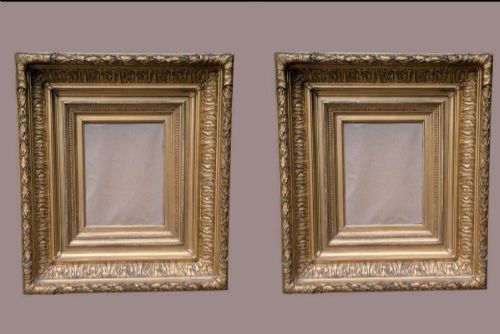
The selections available here date predominantly from the nineteenth century, including Victorian, Regency, and Georgian periods. Wall mirrors and deep picture frames dominate the forms, alongside occasional decorative furniture items featuring detailed floral mouldings.
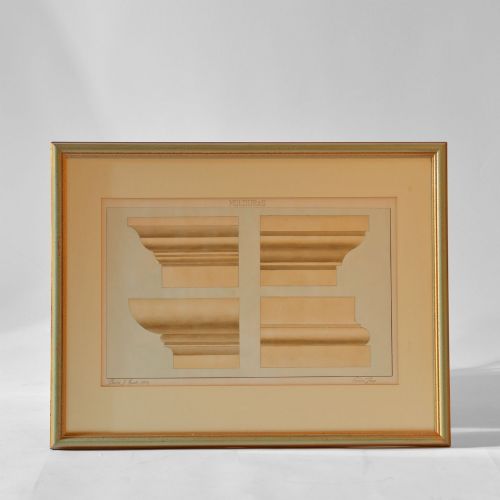
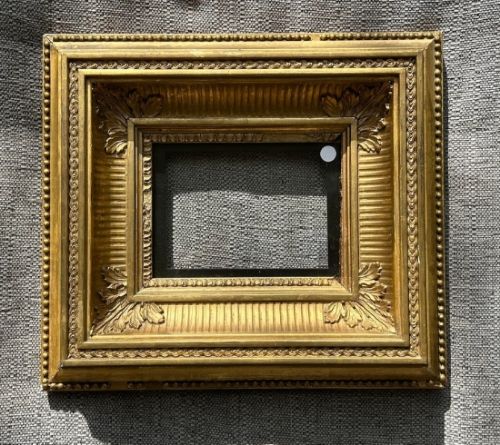
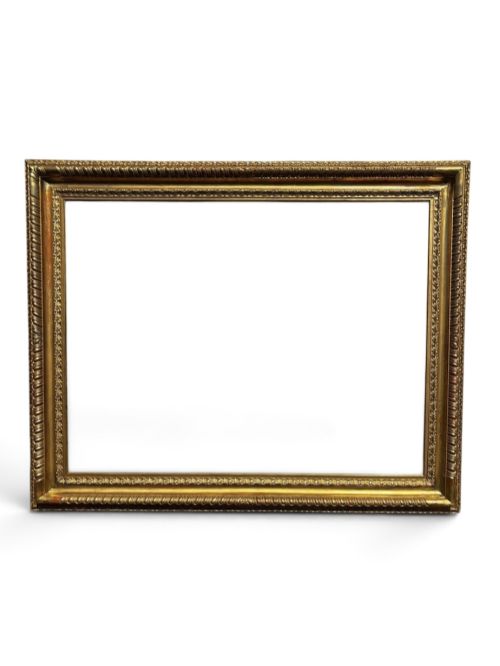
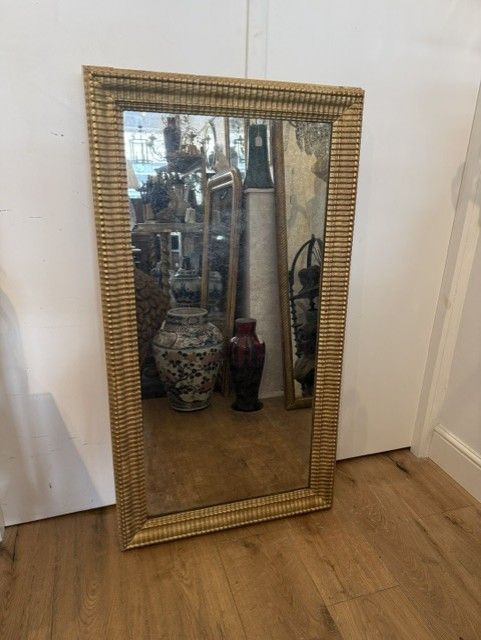
Mouldings appear in various configurations, from flat fluted hollow profiles to ornate ripple frames and classical egg and dart beaded designs. Each item carries the distinctive metallic finish applied across wooden or plaster substrates.
Materials and construction techniques
Makers constructed these frames using wood, such as carved wood or ebonised wood, which served as the primary structural foundation. Artisans applied layers of gesso - a plaster-like mixture - onto the wooden base to create smooth surfaces for subsequent shaping and detailing.
The distinctive golden surface relies on gold leaf or gilt application over the prepared gesso and wood. Craftspeople utilised moulding techniques to impart specific decorative profiles like fluted hollows, ripple patterns, and beadwork before finishing the surface.
Antique Gilt Moulding Retail Price Guide 2026
Typical asking prices for gilt moulding among the pieces listed under this phrase on Sellingantiques today, from the lower quarter to the upper quarter. They describe what is for sale here now, not the wider market.
Some nineteenth-century makers used sand embedded in wet gesso to create textured frames that sparkle permanently under candlelight.
Factors that separate quality tiers
The depth and crispness of the carved wood and gesso ornamentation distinguish finer mouldings from simpler alternatives. Sharp definition in patterns like egg and dart or floral motifs indicates superior craftsmanship during the manufacturing process.
The integrity of the underlying wood and the preservation of the original gold leaf or gilt surface dictate the overall standard of the piece. Heavier, substantial frames with intact gilded finishes and minimal structural compromise represent the upper end of the range.
The Antique Gilt Moulding Glossary
- Giltwood
- Wood that has been coated with gold leaf or a gold-coloured substance. This material provides the foundational golden sheen seen across numerous mirrors and frames.
- Gesso
- A plaster mixture applied to wood surfaces to prepare them for gilding and fine moulding. It allows carvers to achieve intricate relief details before applying gold leaf.
- Ripple frame
- A picture frame featuring concentric undulating wave-like mouldings carved into the wood. This style gained popularity during the nineteenth century for framing artwork and mirrors.
- Overmantel mirror
- A large mirror designed to hang specifically above a fireplace mantel. These pieces often feature elaborate arched tops and prominent gilt mouldings.
- Egg and dart
- An ornamental banding moulding consisting of an alternating pattern of egg-shaped shapes and dart-like arrows. This classical motif appears frequently on nineteenth-century frames.
- Verre eglomise
- A technique where cold painting and gilding are applied to the reverse side of glass. It frequently appears alongside giltwood in Regency mirrors.
Antique Gilt Moulding: Frequently Asked Questions
How do I date an antique gilt moulding?
Dating relies on examining the underlying materials, wood types, and construction methods characteristic of specific eras like the Regency or Victorian periods. Stylistic cues such as ripple patterns or neoclassical motifs also help determine the approximate age.
Inspect the backboards, fixings, and the composition of the gesso layer underneath the gold leaf. Older pieces often show hand-tool marks and distinct oxidation patterns within the gilt surface.
Can I hang a heavy overmantel mirror safely?
Hanging a heavy overmantel mirror requires securing the weight directly into wall studs or using heavy-duty wall anchors rated for the specific load. Professional installation is often recommended due to the substantial weight of carved wood and gesso frames.
Check the structural integrity of the wooden frame and original hanging loops before mounting. Ensure the mirror glass is securely seated within the moulding rebate.
What distinguishes Regency frames from Victorian ones?
Regency frames often display refined classical restraint influenced by neoclassical design, occasionally incorporating verre eglomise panels. They lean towards clean architectural lines and specific motifs like convex glass surrounds.
Victorian frames tend to be heavier and more exuberant in ornamentation, embracing styles like Rococo Revival with deep profiles and elaborate floral or scroll mouldings. The scale and density of the gesso work typically increase in the later nineteenth century.