




Antique Gilt Metal Figure
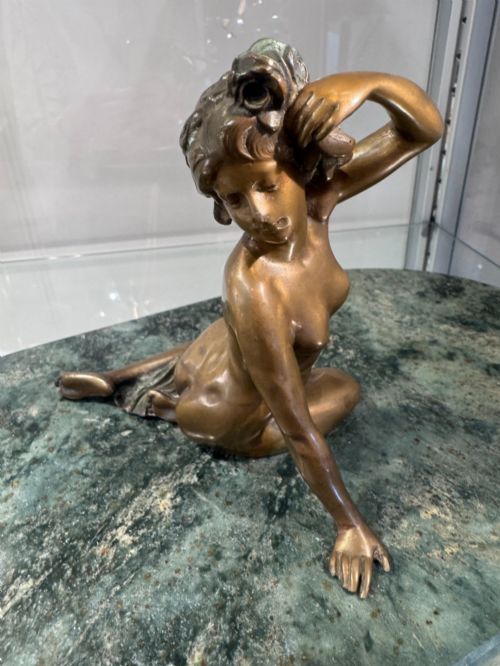
An antique gilt metal figure brings the gleam of gilded bronze and ormolu into a room, capturing classical deities, portraits, and animals.
Antique Gilt Metal Figure
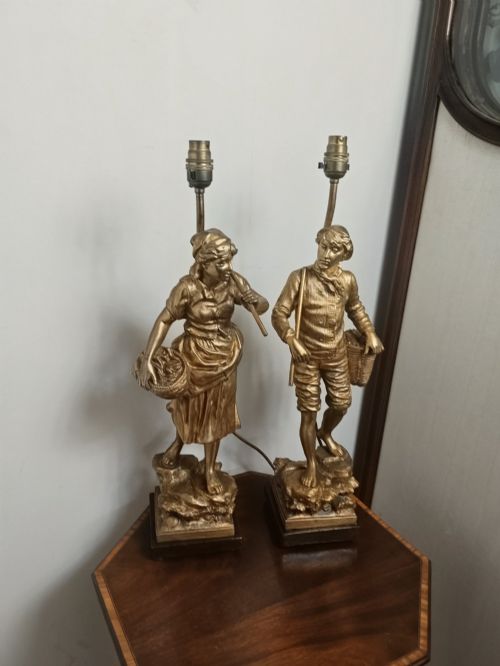
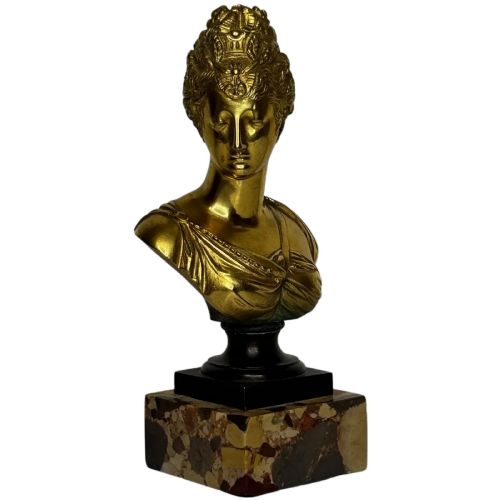
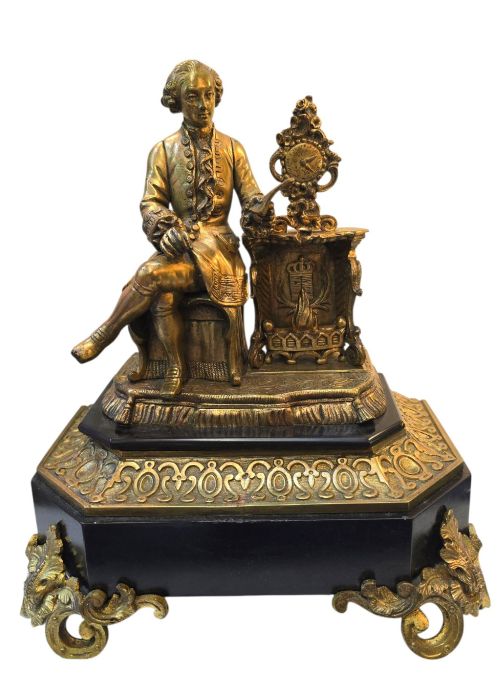
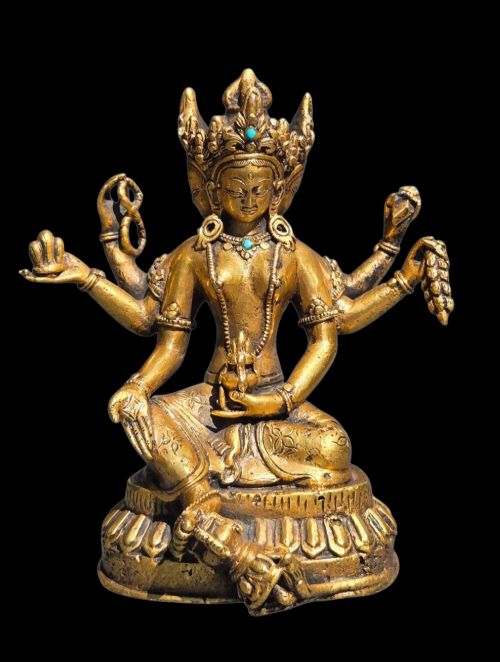
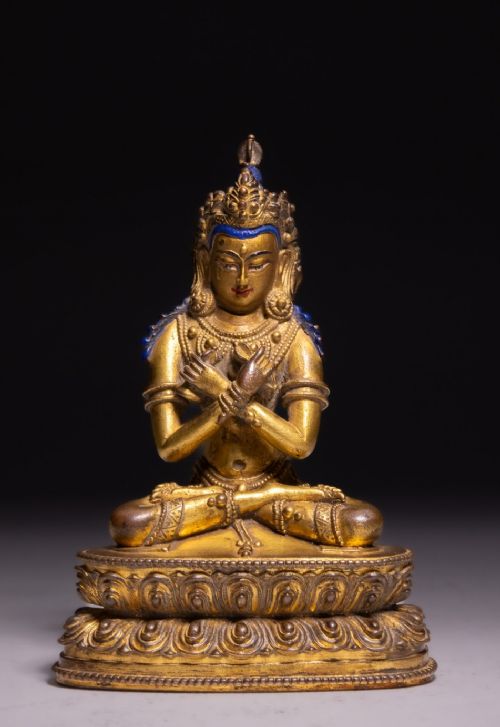
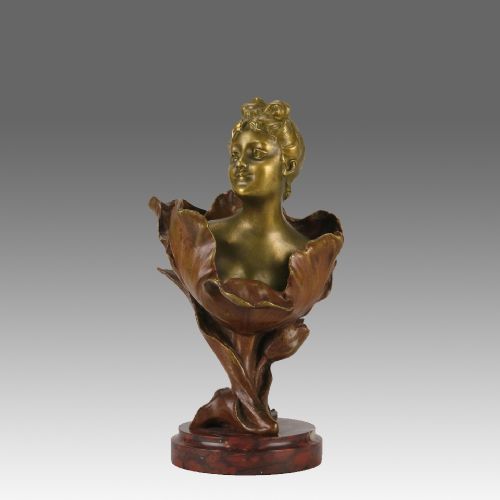
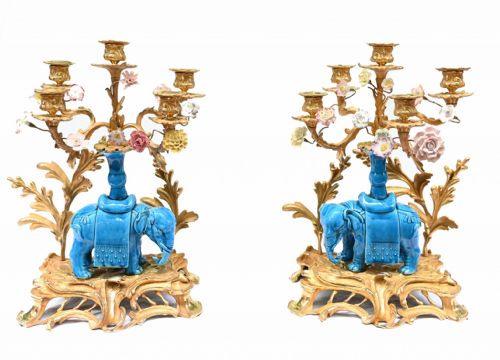
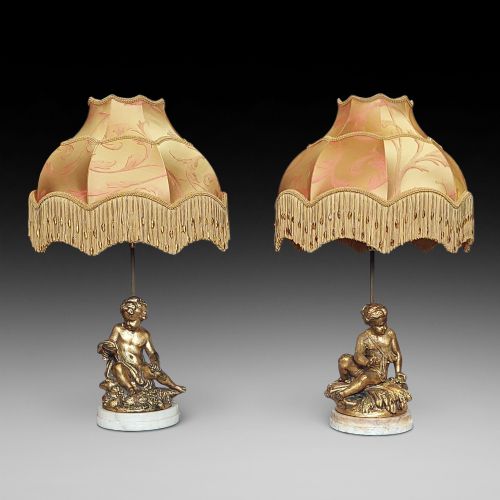
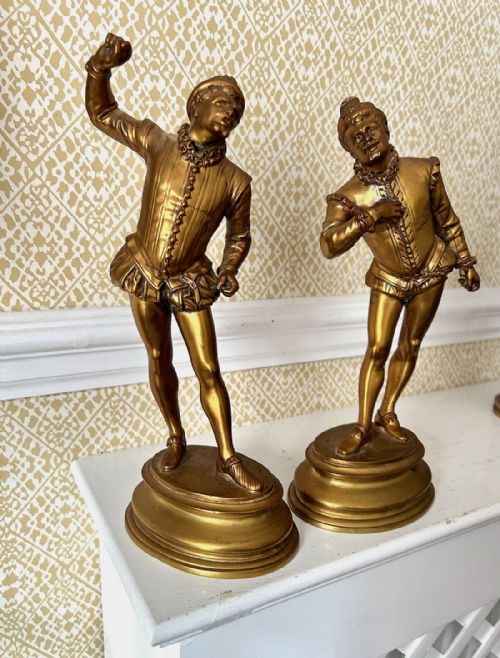
An antique gilt metal figure encompasses sculptural works, portrait busts, and figural components integrated into mantel clocks, table lamps, and candelabra. The selection spans diverse stylistic traditions, including French nineteenth-century neoclassical and revival pieces alongside Sino-Tibetan and Chinese Buddhist figures.
Buyers will frequently encounter nineteenth-century French foundry casts, often rendered in ormolu or gilt bronze and frequently mounted on marble or slate bases. These domestic decorative objects sit alongside distinct regional categories such as Himalayan deity figures and grand tour souvenirs.
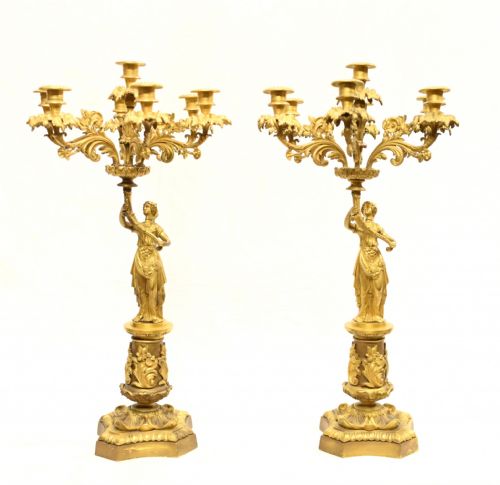
The material vocabulary stretches beyond solid cast metal to incorporate cold-painted surfaces, enamel detailing, and turquoise inlays. Figures range from small cabinet statuettes to substantial pairs of candelabra and temple lions designed for prominent display.
Materials and technique
Foundries utilised bronze, brass, and mixed gilt metals, often applying mercury gilding or modern electroplating to achieve a durable golden finish. Ormolu, or gilded bronze, required skilled application of gold amalgam onto a base metal before firing.
Poodles carved in bronze and pussycats cast in metal remind us that Victorians loved their pets just as much as we do.
Judging quality
The integrity of the construction distinguishes superior works, seen in tightly fitted multi-part assemblies and substantial weight rather than hollow thin-walled casting. Bases made of heavy striated marble or turned hardwood add stability and indicate careful workshop production.
Henri Godet·Jennings Brothers·Charlotte Monginot·Pierre-Augustin Caron de Beaumarchais·Jean Jacques Pradier·Eurotrope Bouret·Emile-Coriolan Guillemin
The Antique Gilt Metal Figure Glossary
- Ormolu
- Gilt bronze produced by applying a gold-mercury amalgam to a bronze object and heating it to vaporise the mercury. This technique creates a rich, durable golden surface characteristic of fine French decorative arts.
- Grand Tour
- A cultural journey across Europe undertaken by nineteenth-century elites, who collected small bronze classical sculptures and architectural models as souvenirs. These pieces reflect a fascination with antiquity.
- Lost-wax casting
- A metalworking process where a molten metal is poured into a mould that has been created by means of a wax model. The method permits exceptional sculptural detail.
- Cold-painted bronze
- A technique where paint is applied directly to the cold metal surface rather than fired in a kiln. This finish is particularly associated with Viennese and European animal and human statuettes.
- Candelabra
- A branched candlestick designed to hold multiple taper candles, often featuring a central figural stem made of gilt metal. They served both functional lighting and decorative mantelpiece roles.
Antique Gilt Metal Figure: Frequently Asked Questions
Are these figures solid bronze?
Many examples consist of cast bronze or brass, though the category also includes mixed gilt metals and hollow-cast elements. The presence of mercury gilding or an ormolu finish means the golden exterior is a distinct layer applied over the base metal.
Heavier pieces usually indicate solid casting or substantial wall thickness, whereas smaller decorative accessories may employ lighter alloy compositions.
What periods do these pieces represent?
The selection spans from sixteenth-century Asian works to nineteenth-century European revivals and early twentieth-century creations. The majority originate from the nineteenth century, reflecting periods such as the French Empire, Victorian era, and Art Nouveau.
Stylistic revivals frequently reference earlier classical, Renaissance, or Egyptian aesthetics while utilising nineteenth-century manufacturing techniques.
How were figural lamps adapted?
Many antique figural pieces, such as candelabra or sculptural groups, were converted to electricity during the twentieth century to serve as functional table lamps. This adaptation often involved drilling through original metal or mounting the figure onto a new base.
Collectors should examine the wiring and fittings to determine whether the conversion preserves the original structural integrity of the metalwork.