

Antique Gilded Light Fitting
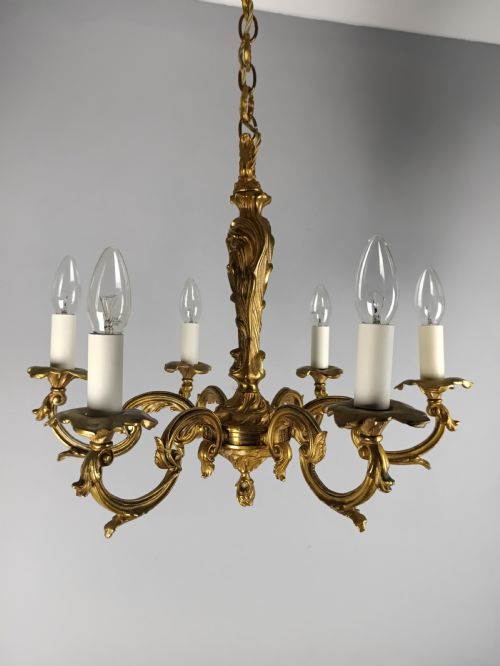
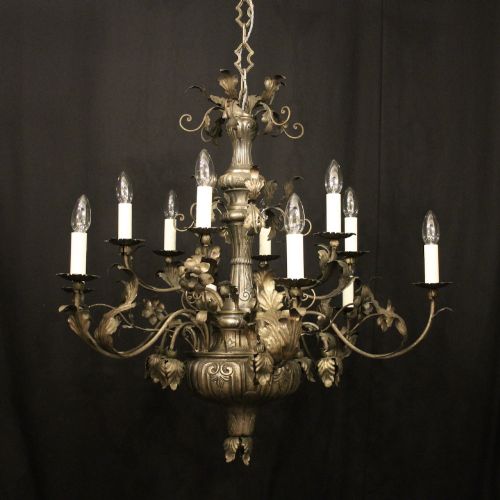
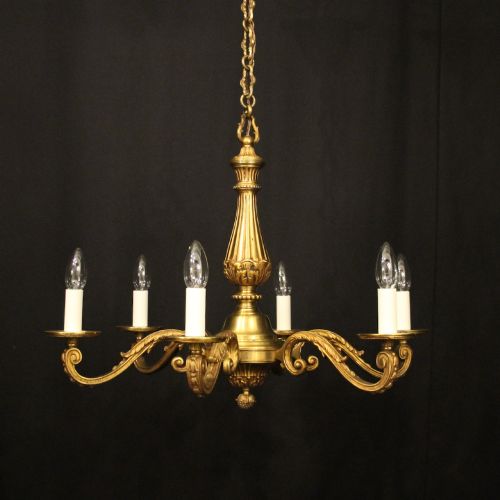
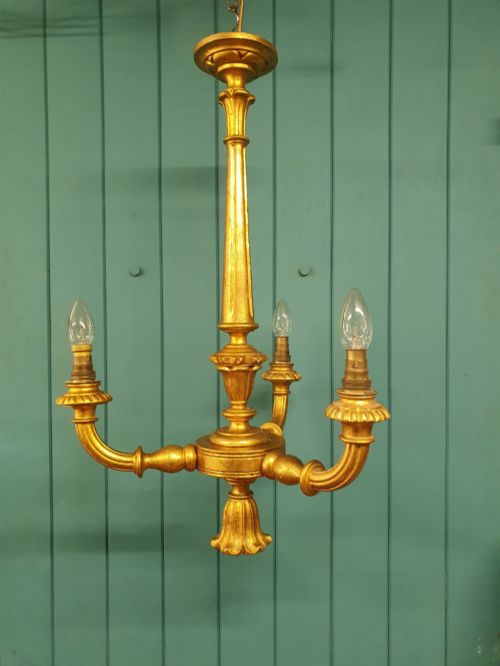
These antique gilded light fitting examples bring warmth and presence to a room, spanning grand French and Italian chandeliers to lanterns and wall lights.
Antique Gilded Light Fitting
An antique gilded light fitting brings warmth and presence to a room, spanning grand French and Italian chandeliers to lanterns and wall lights. You will most frequently meet multi-light chandeliers and wall lights dating from the nineteenth century through to the nineteen-thirties.
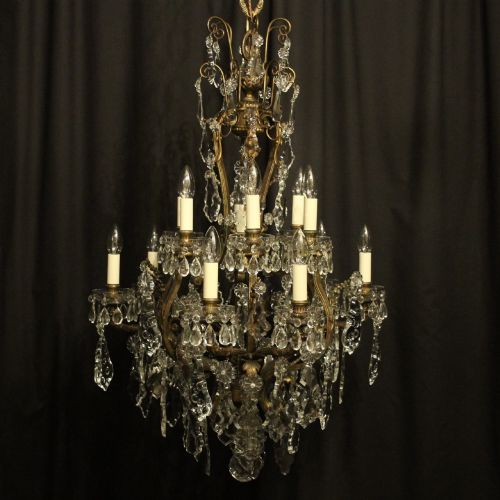
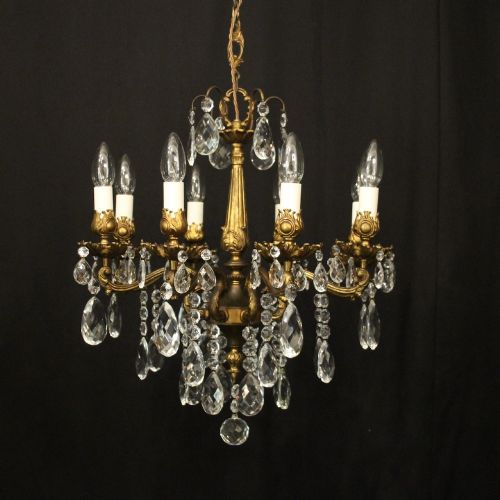
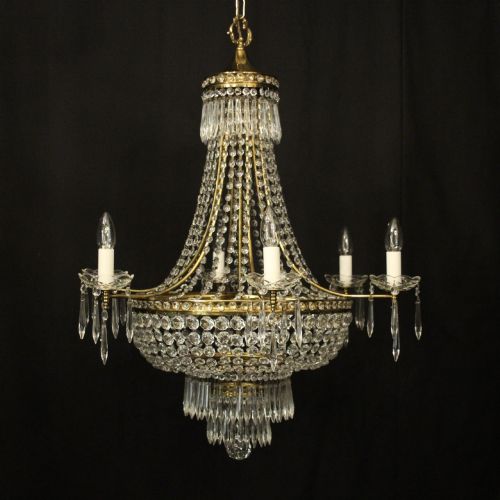
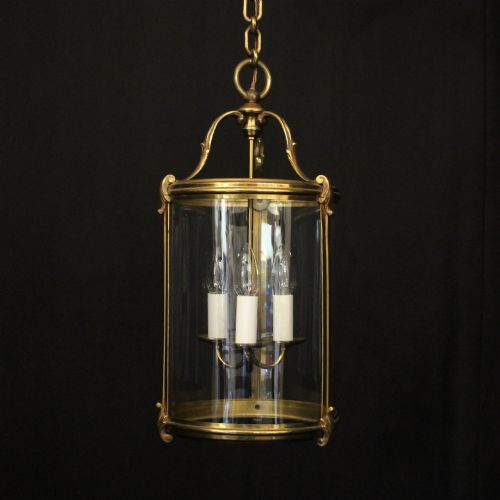
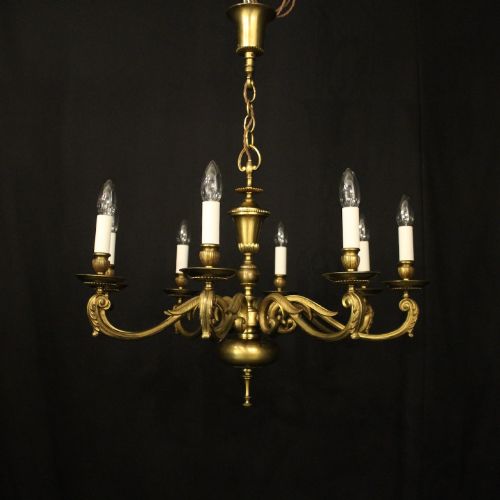
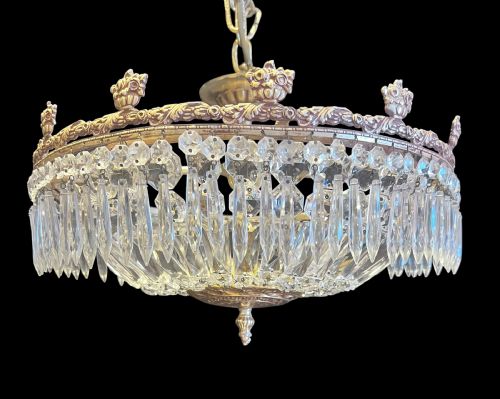
The selection here includes chandeliers with arms numbering from three up to sixteen, alongside hall lanterns and plafonnier ceiling lights. French and Italian workshops dominate the origin of these pieces, often working in recognised regional styles such as Rococo, Baroque and Empire.
How they were made
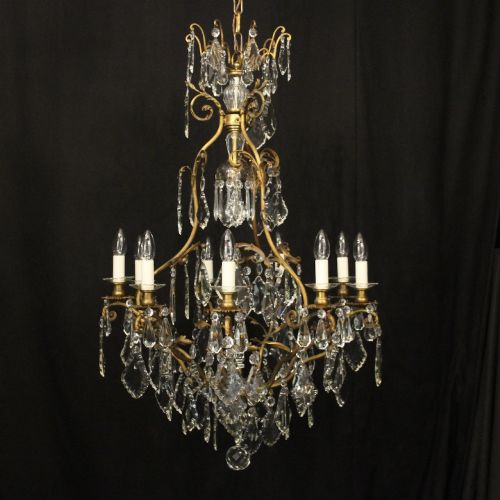
Makers shaped these fixtures from cast bronze, brass, iron and carved wood, applying gilding by hand to metal and gesso surfaces. Many examples integrate glass prisms, crystal drops and porcelain flowers to refract and amplify the light.
Structural elements are assembled using pinned joints, threaded rods and hand-cut screws typical of their period. Surface finishes range from bright gilt leaf to polychrome paintwork and silver gilding.
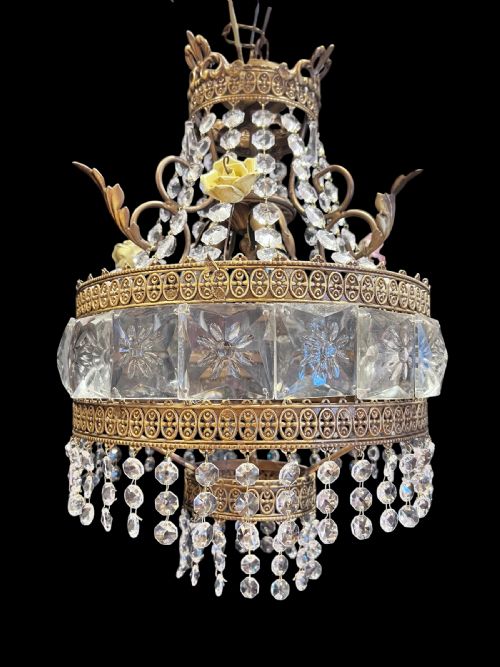
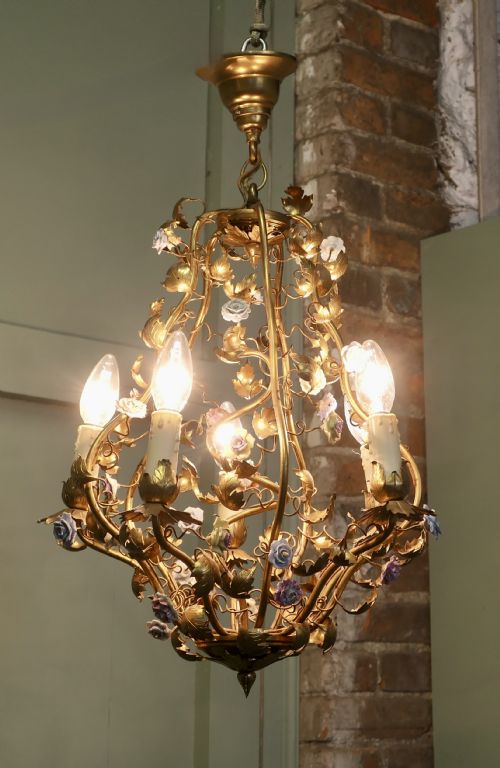
Several chandeliers feature delicate porcelain flowers mixed among the metal leaves, bringing a permanent spring garden indoors.
What varies in quality
The distinction between standard production and exceptional work lies in the crispness of the casting and the depth of the hand-carving. Superior bronze and giltwood fittings display finely chased detail and well-balanced proportions across every arm and bobeche.
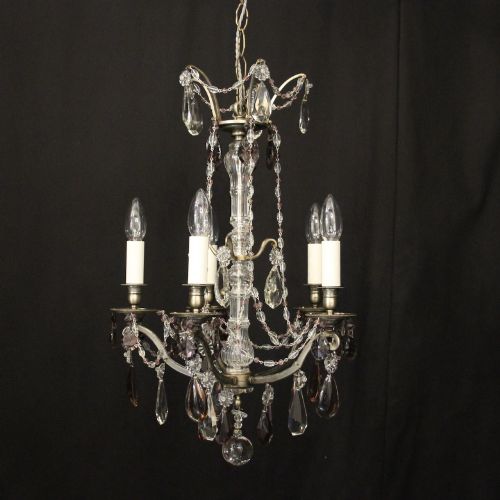
Quality also shows in the selection of the crystal and glass components, where cut drops exhibit sharp facets rather than soft moulded edges. Original gilding that retains its varied tone and texture indicates better preservation over time.
The Antique Gilded Light Fitting Glossary
- Gilt bronze
- An alloy of copper and zinc finished with a layer of gold, providing a durable and rich metallic surface.
- Chandelier
- A branched ornamental light fixture suspended from the ceiling, designed to hold multiple bulbs or candles.
- Hall lantern
- An enclosed ceiling-hung light, often convex in shape, traditionally placed in entrance halls and corridors.
- Plafonniere
- A shallow ceiling light fitted close to the plasterwork, directing illumination downward.
- Ormolu
- Finely ground high-carat gold applied to a bronze base, historically used on decorative French metalwork.
Antique Gilded Light Fitting: Frequently Asked Questions
How do I hang a heavy antique chandelier?
Heavy chandeliers require direct attachment to a ceiling joist using a rated structural hook and steel chain capable of holding the full weight.
Electrical wiring must be routed securely through the central stem, and professional installation ensures the fitting hangs safely at the correct height.
What is the difference between gilt bronze and brass?
Gilt bronze uses a copper alloy base covered in a gold finish, while brass is a yellow metal alloy of copper and zinc.
Bronze generally permits sharper cast details and heavier proportions than standard brass.
How do I clean crystal drops safely?
Remove delicate crystal drops individually and wash them in lukewarm water with a mild, non-abrasive detergent.
Dry each piece thoroughly with a soft cloth before rehanging them to prevent water spots and tarnishing on the metal pins.
Can these lights be wired for modern electricity?
Most antique light fittings accept modern wiring configurations and standard lamp holders with relative ease.
A qualified electrician can safely rewire the internal channels while preserving the original metalwork and appearance.