
Antique French Candle Chandelier
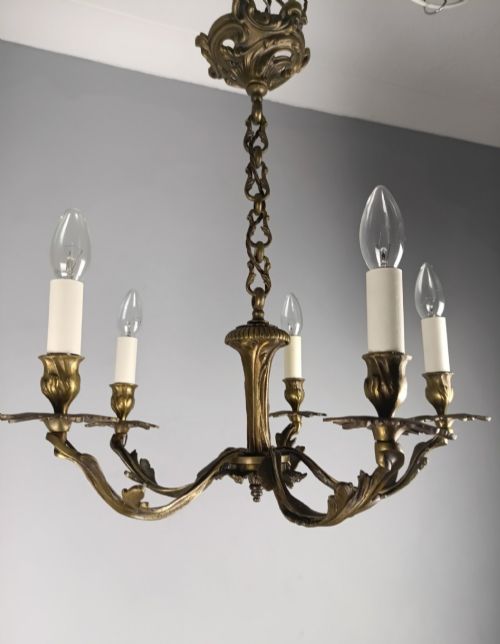
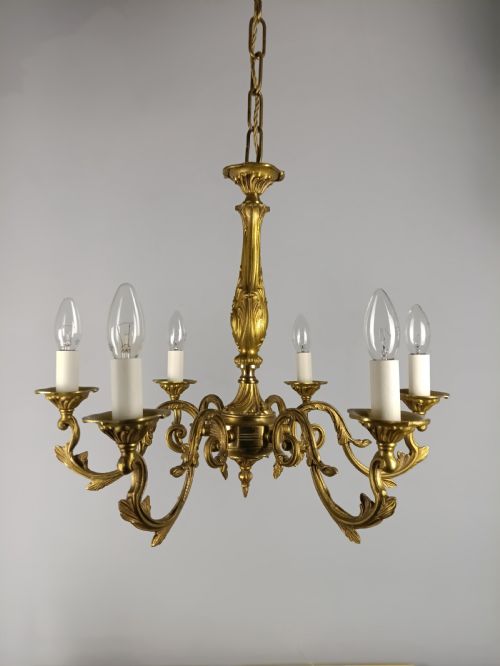
An antique french candle chandelier brings illumination and formal presence to a room through traditional metal framing and suspended glass elements.
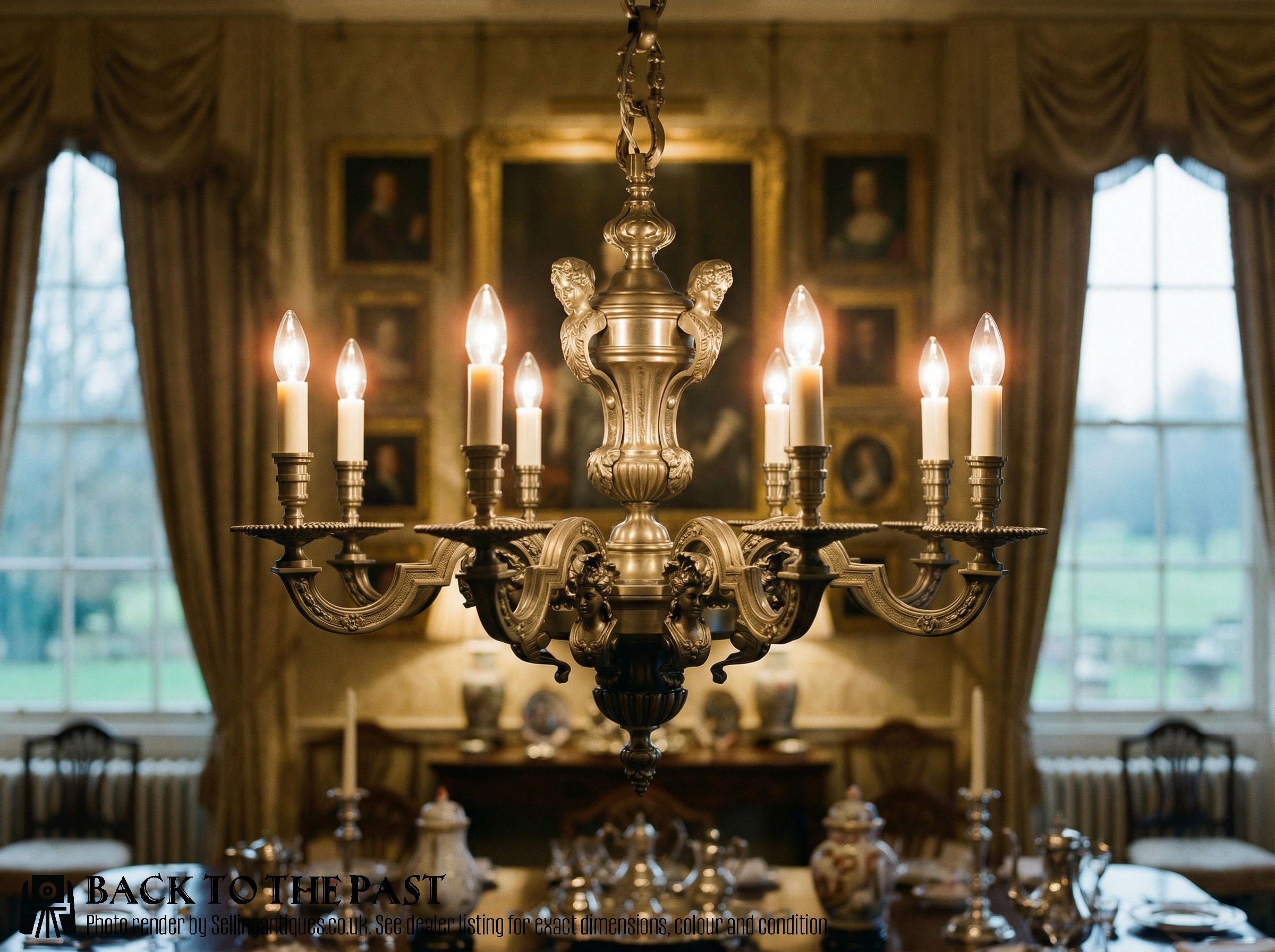
Antique French Candle Chandelier
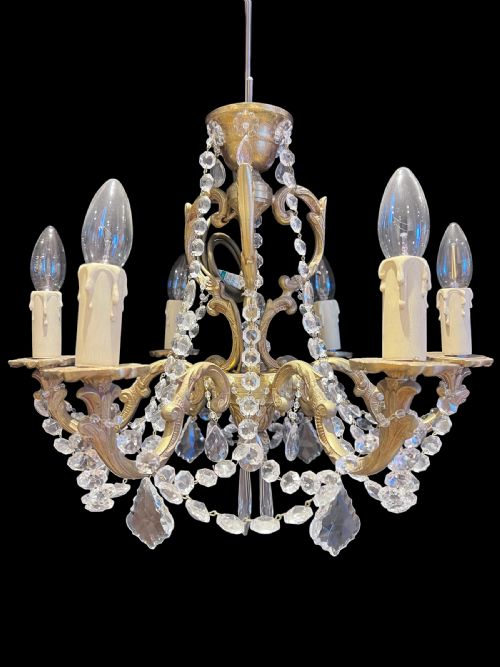
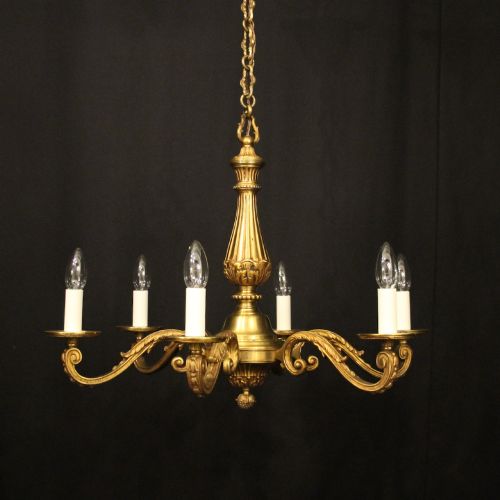
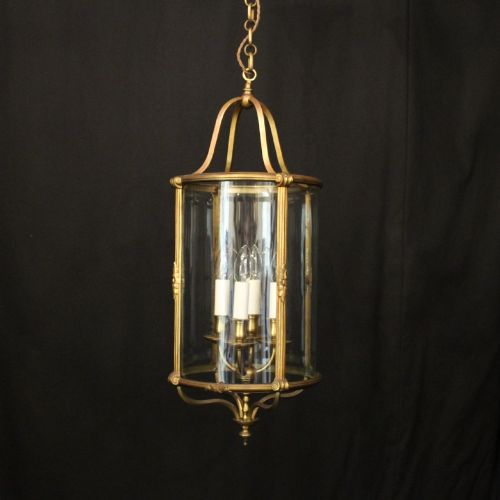
An antique french candle chandelier is a ceiling-suspended lighting fixture designed to hold multiple candles, originating from periods spanning the late nineteenth century through to the nineteen-thirties. Buyers seek these pieces for their decorative metalwork, patinated surfaces, and traditional forms that define historic interiors.
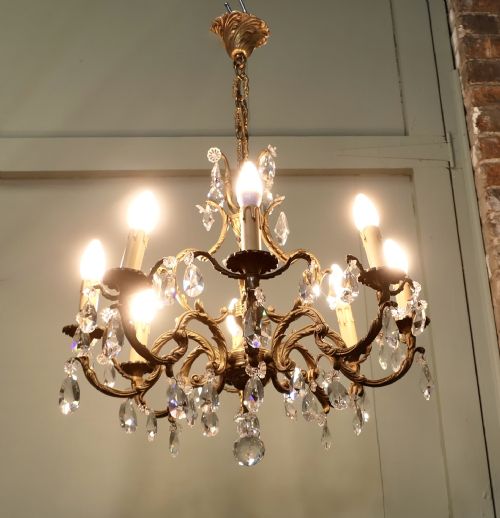
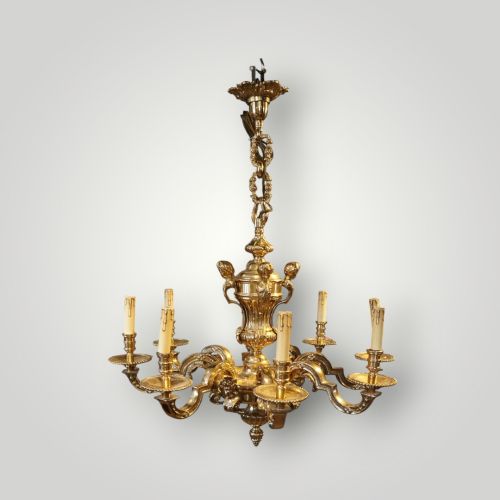
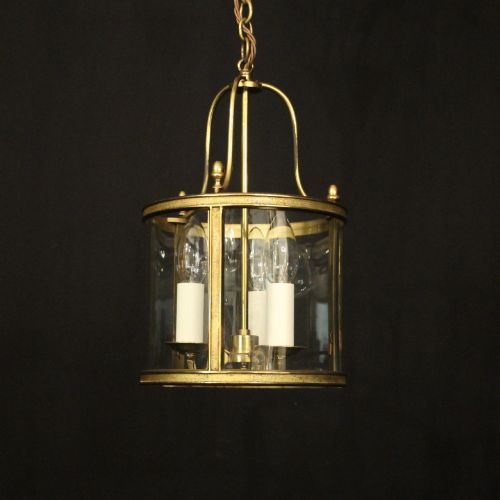
The selections on this page encompass various styles including French Rococo, Neoclassical, and Baroque Revival alongside simpler brass and crystal configurations. Hall lanterns, wall lights, and multi-arm chandeliers represent the principal object types available.
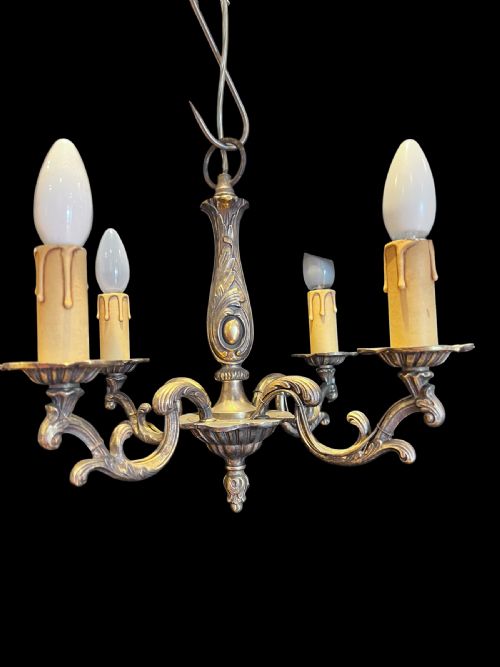
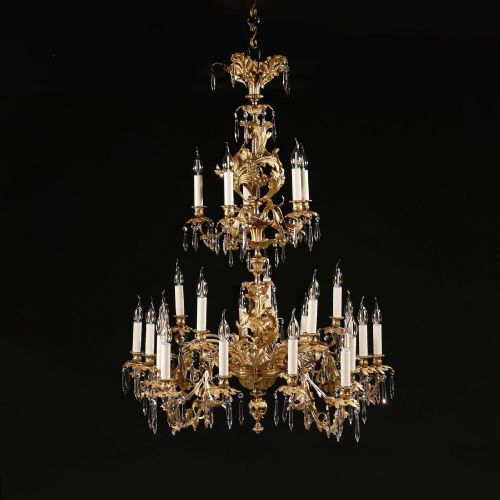
Most examples date from the nineteen-twenties and nineteen-thirties, constructed with multi-light frames designed originally for candle use or adapted for modern electrical wiring. These fixtures range from compact four-light brass pendants to large twenty-five-light bronze centerpieces.
Materials and Construction
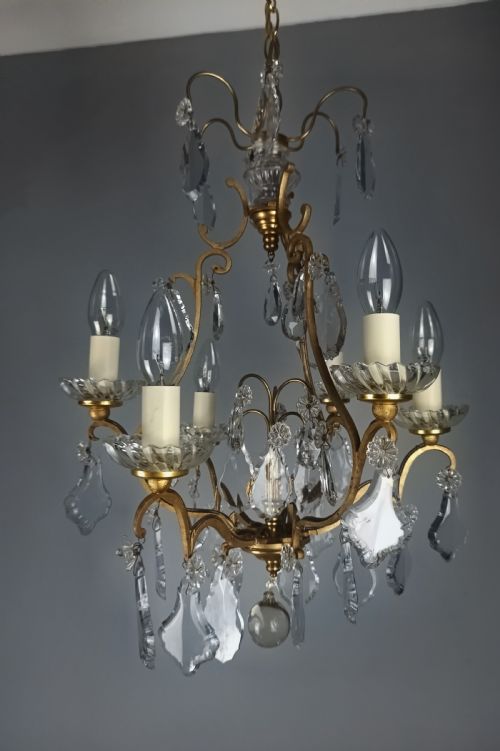
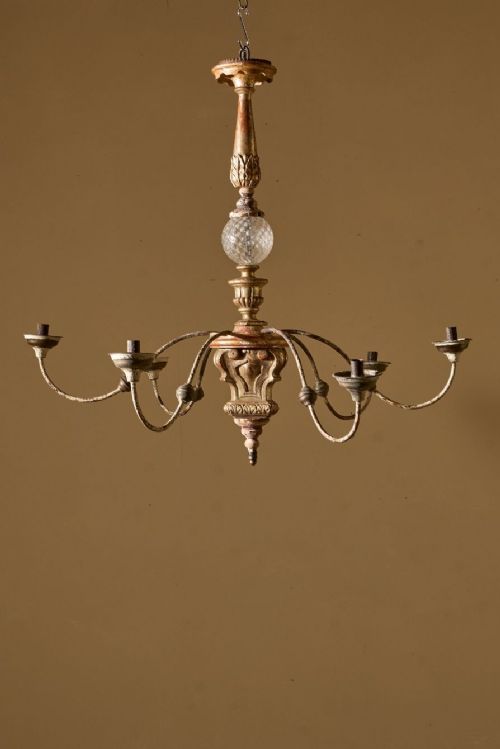
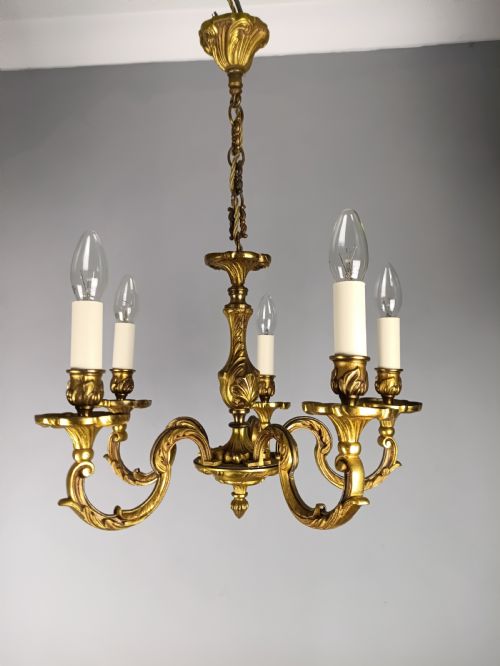
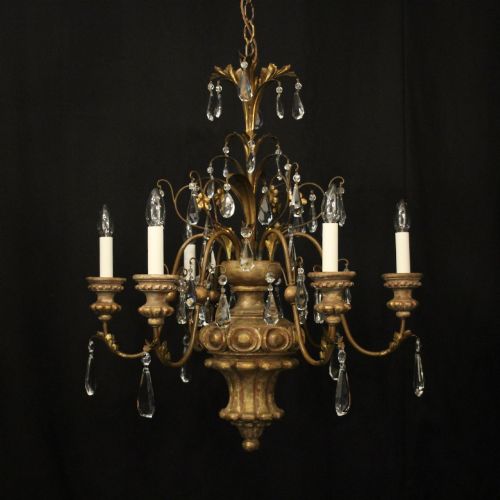
Metal fabrication forms the structural core of these items, utilising cast bronze, gilded brass, wrought iron, and giltwood. Artisans shaped these metals into detailed arms, birdcage frames, and wall brackets before applying gold leaf, silver gilding, or dark patination.
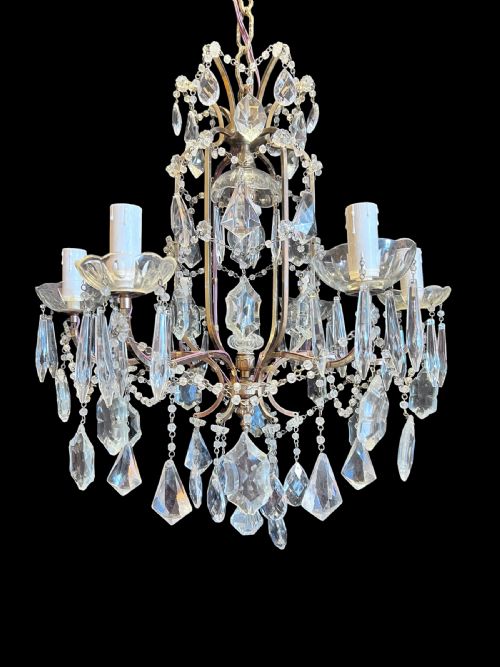
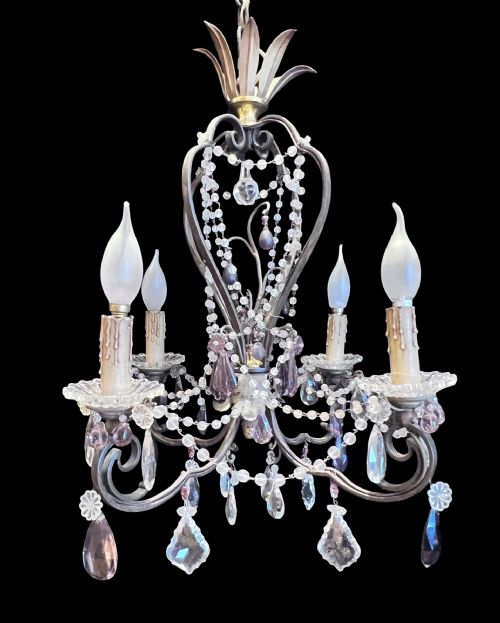
Glass and crystal components are integrated extensively, taking the form of cut glass, crystal lustres, and coloured drops in amber or mauve hues. These elements are suspended from the metal frames using wire loops to refract light effectively.
The inventory spans the nineteenth century through to nineteen-thirty.
Distinctions in Quality
The refinement of the metal casting and the depth of the gilding separate standard production from superior examples. Finely chased bronze and heavy cast brass display sharper botanical and scroll motifs than simpler pressed metal alternatives.
The quality and quantity of the crystal embellishments also dictate the standard of a piece, with hand-cut drops and complex multi-tiered arrangements indicating higher craftsmanship. Original retention of matching lustres and balanced arm configurations elevates the overall integrity of the chandelier.
G.E.C
The Antique French Candle Chandelier Glossary
- Pricket
- A sharp metal spike on a candle chandelier designed to impound the base of a wax candle. This form represents an older method of candle mounting.
- Gilt Bronze
- Metalwork coated in a thin layer of gold or gold-coloured alloy, commonly referred to as ormolu in French pieces. It provides a durable, warm metallic finish.
- Lustre
- A cut glass or crystal pendant suspended from the arms or crown of a chandelier to reflect light. These often appear in teardrop or faceted shapes.
- Birdcage Chandelier
- A lighting form characterised by curved metal straps forming an open cage structure enclosing the central shaft. This style is frequently hung with crystal garlands.
- Mazarin
- A specific multi-light chandelier designation associated with heavy bronze casting and formal nineteenth-century French styling. These fixtures often accommodate eight or more arms.
Antique French Candle Chandelier: Frequently Asked Questions
How are antique candle chandeliers cleaned?
Maintenance requires gentle dusting of the metal frame and individual removal of crystal lustres for washing in warm soapy water.
Care must be taken to dry each glass piece thoroughly before reattaching it to the brass or bronze armature.
Can these chandeliers take electric bulbs?
Many surviving examples have been rewired during their history to accommodate candle-style electric lamps safely.
Professionals can adapt original frames to modern standards without altering the external antique appearance.
What rooms suit a large multi-arm chandelier?
Large fixtures with six or more lights require high ceilings and proportions grand enough to balance their visual weight.
Dining rooms, entrance halls, and formal reception spaces provide appropriate settings for larger nineteenth-century examples.
How do I identify the period of a chandelier?
Stylistic indicators such as Rococo asymmetry, Neoclassical symmetry, or Art Nouveau fluid lines help assign a broad date range.
Examination of the metal casting techniques and fixing methods further clarifies whether a piece dates to the nineteenth century or the nineteen-thirties.