
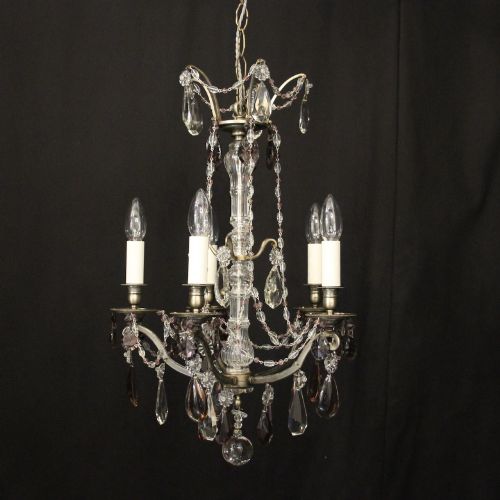
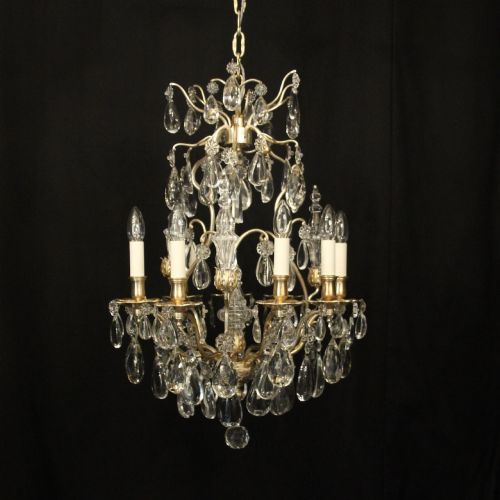
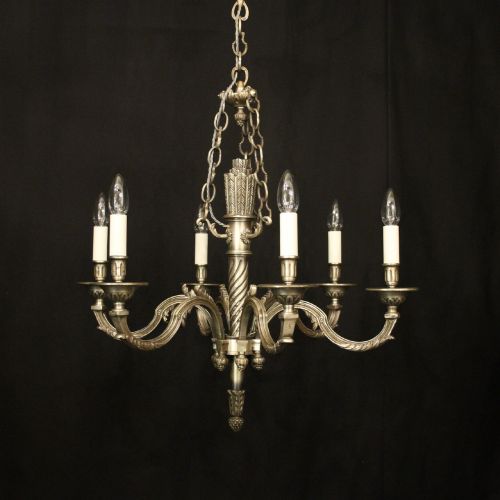


Silver Gilt Lighting Fixture
These silver gilt lighting fixtures bring layered French and Italian ornamentation into a room through grand chandeliers, lanterns, and wall lights.
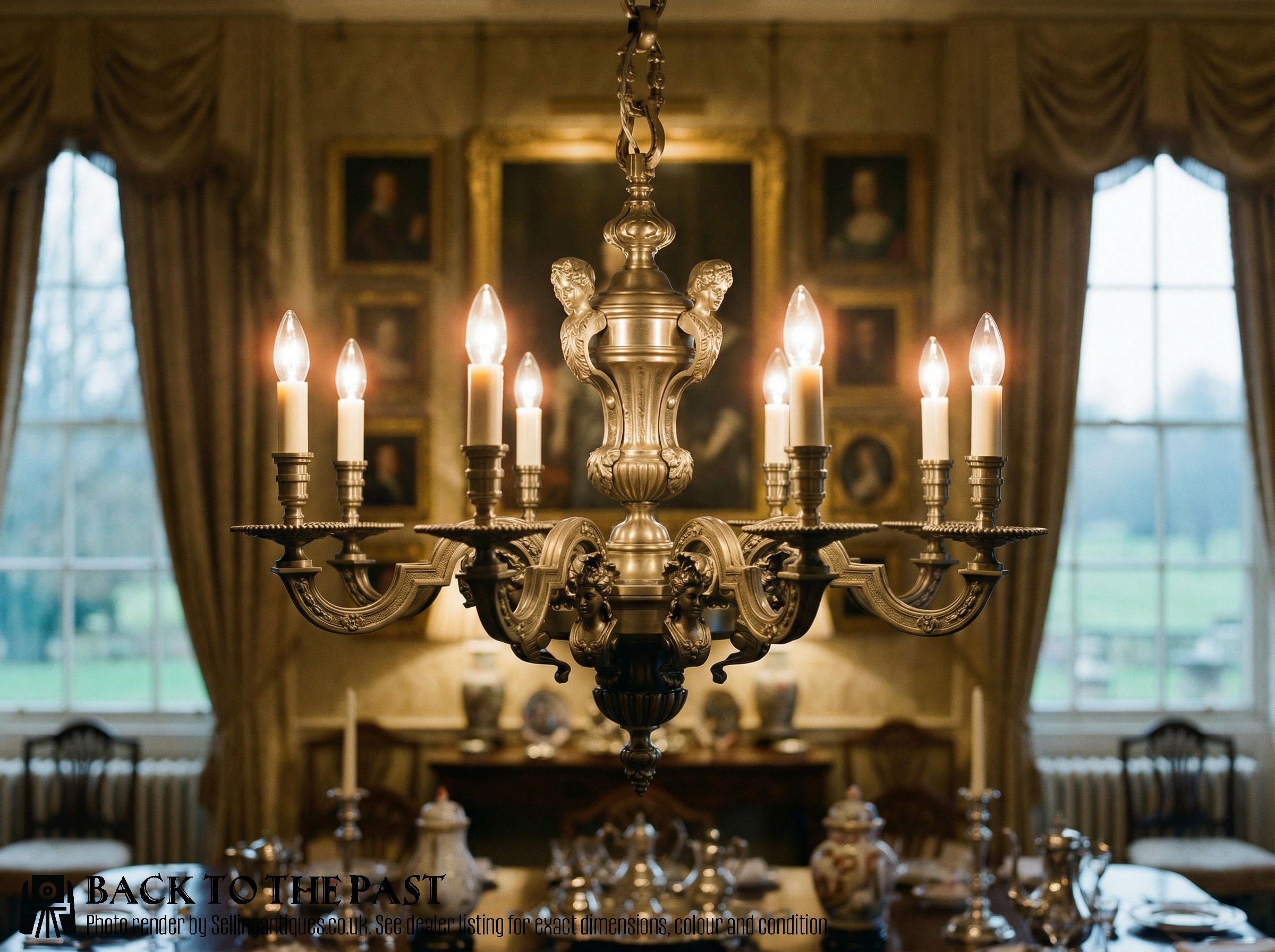
Silver Gilt Lighting Fixture
A silver gilt lighting fixture represents a grand tradition of overhead and wall illumination, typically taking the form of multi-armed chandeliers, hanging lanterns, and twin arm wall lights. When you search for this phrase, you find pieces designed to dominate a high-ceilinged interior with abundant candle or bulb capacity, often holding anywhere from five up to fifteen lights.
The versions most commonly met on this page originate from French and Italian workshops, spanning the nineteenth century through the 1930s. Stylistically, they draw heavily on classical, neoclassical, rococo revival, and Florentine designs, bringing ornate scrolling work and balanced proportions to residential spaces.
These fixtures serve as both architectural focal points and functional light sources, utilising suspended crystal drops or elaborate metal frames to bounce light across a room. Their presence signals a distinct preference for Continental interior decoration of past centuries.

How they were made
Makers constructed these fixtures using robust metal foundations such as bronze, brass, and gilt metal, applying silver leaf or silver gilding to achieve their luminous surface finish. This metallic base provided the structural integrity required to support heavy arrangements of arms and decorative elements.
Glass and crystal components feature prominently, hanging from frames to refract and multiply the illumination produced by the fixture. Artisans shaped these elements through casting and hand-finishing, pairing metalwork with cut glass pendants and drops.
Listings span four distinct periods, running from the nineteenth century through the 1930s with examples from 1910, 1920, and 1930.
What varies in quality
Quality reveals itself in the crispness of the casting and the depth of the silver gilt finish applied to the bronze, brass, or metal substrate. Superior examples display sharply defined ornamentation and an even, enduring application of the silver surface that catches ambient light cleanly.
The integration of glass and crystal components further distinguishes the scale of quality, where masterwork pieces incorporate substantial, well-cut crystal drops rather than pressed glass alternatives. The structural complexity of the arm configurations and the weight of the metal used set the more ambitious chandeliers apart from simpler wall lights.
The Silver Gilt Lighting Fixture Glossary
- Silver gilt
- Metal coated with a thin layer of silver, combining the reflective quality of the precious metal with a sturdy underlying bronze, brass, or base alloy. This finish creates a cooler, brighter tone than traditional gold gilding.
- Chandelier
- A branched ornamental lighting fixture suspended from the ceiling, designed to hold multiple light sources. These pieces range from compact five-light configurations to grand fifteen-light focal points.
- Hanging lantern
- An enclosed or partially open lighting fixture suspended by a chain or rod, traditionally used in hallways and entryways. They use glass panels or open metal frameworks to protect the internal candle or bulb arrangement.
- Florentine style
- An aesthetic originating in Florence, characterised by ornate, organic carving, leaf motifs, and rich surface decoration. It brings a distinct regional Italian character to wall lights and chandeliers.
- Rococo revival
- A nineteenth-century design movement mimicking the asymmetrical scrolls, shell motifs, and exuberant curves of the eighteenth-century French court. This style prioritises theatrical ornamentation over rigid symmetry.
Silver Gilt Lighting Fixture: Frequently Asked Questions
How do I determine the period?
Dating relies on stylistic clues, manufacturing techniques, and the combination of materials like cast bronze and cut crystal.
Nineteenth-century examples often display heavier, more complex casting work compared to pieces from the 1920s and 1930s.
Were they electrified originally?
Most surviving fixtures from the nineteenth century and early twentieth century were originally designed for candles or gas before being converted for modern electrical wiring.
Conversions allow these historical pieces to function safely within contemporary homes without altering their external appearance.
What is the difference between brass and bronze bases?
Bronze provides a heavier, finer-grained foundation that accepts detailed chasing and casting work particularly well.
Brass offers a slightly different alloy composition while still providing the necessary rigidity for supporting multiple candle arms and crystal drops.