




Antique Georgian Brooch
An antique georgian brooch is a wearable piece of history, combining intricate metalwork and miniature art from the eighteenth and early nineteenth centuries.
Antique Georgian Brooch
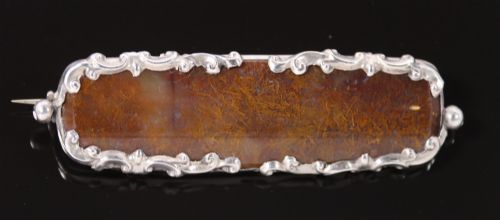
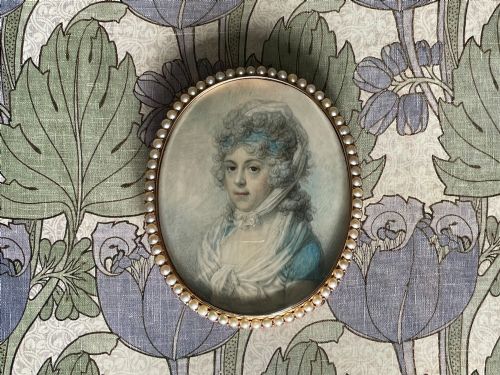
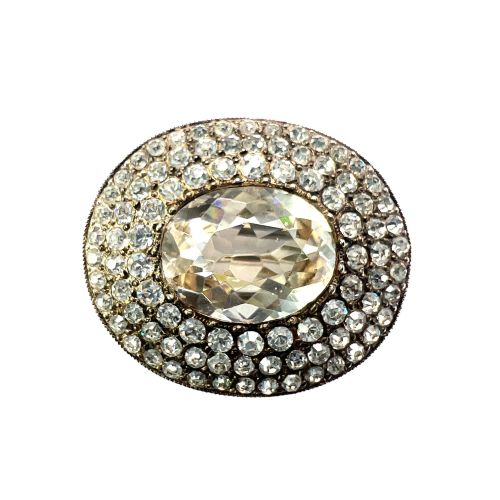
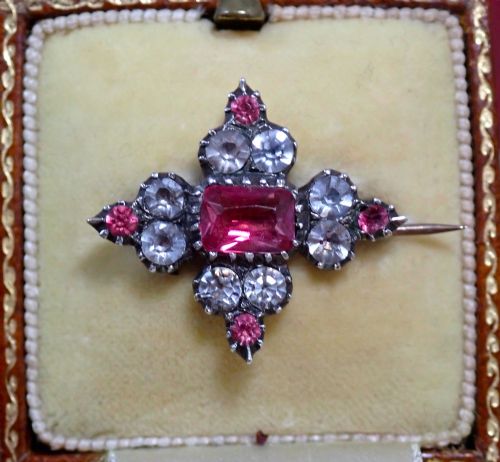
The versions most frequently encountered on this page include silver and gold pieces set with coloured paste glass, flat-cut garnets, and seed pearls. Alongside these jewelled pins, portrait miniatures and hair work mourning pieces represent the sentimental and artistic currents of the period.
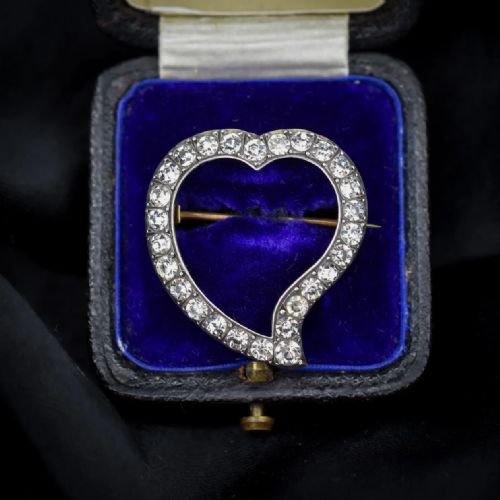
Makers utilised various precious metals, mounting stones in silver-topped gold to enhance the brilliance of the gems under candlelight. The structural designs often reference classical motifs, floral baskets, and romantic symbols like witches hearts and love tokens.
Materials and construction
The construction of these pieces relies heavily on the combination of silver and gold, where silver forms the upper face to reflect light onto gemstones while gold provides structural strength underneath. Metalwork techniques of the period include closed-back settings, which often incorporated coloured foils beneath glass paste or gemstones to deepen their hues.
Stones such as flat-cut garnets, paste glass, and chrysoberyl are hand-cut and secured in shaped collets rather than uniform modern prongs. Miniature paintings and hair work require delicate hand-assembly behind glass panels, framed within wirework or cast metal borders.
Antique Georgian Brooch Retail Price Guide 2026
Typical asking prices for georgian brooch among the pieces listed under this phrase on Sellingantiques today, from the lower quarter to the upper quarter. They describe what is for sale here now, not the wider market.
Roman goddesses, flower baskets, and witches hearts sit side by side in the metalwork of these miniature wearable portraits.
Factors of quality
Quality in these ornaments is determined by the finesse of the metalwork and the preservation of the central components, whether hand-painted watercolours or precisely faceted paste stones. Finer examples display meticulous attention to detail in the collet settings and the structural integrity of the pin stems and catches.
The artistic merit of the painted miniatures and the clarity of carved cameos set superior pieces apart from standard production. Original undisturbed foils beneath stones and intact reverse hair compartments also elevate the standing of an item within the historical spectrum.
Richard Cosway·Christian Friedrich Zincke·John Barry
The Antique Georgian Brooch Glossary
- Paste
- Hand-cut glass designed to imitate gemstones. It was valued in its own right during the period for its optical qualities.
- Giardinetti
- A style of jewellery depicting a small garden or flower pot filled with various stones. These designs often feature baskets or vases rendered in precious metals.
- Foil
- A thin sheet of coloured metallic material placed beneath stones in closed settings. This technique enhances the colour and reflects light through the gem.
- Mourning brooch
- A memorial ornament containing human hair, miniature painting, or black enamel. These pieces commemorated deceased relatives with sentimental inscriptions or imagery.
- Pinchbeck
- An alloy of copper and zinc developed to imitate gold. It provides a warm metallic appearance without the use of precious content.
Antique Georgian Brooch: Frequently Asked Questions
How do I date an antique georgian brooch?
Dating relies on observing the manufacturing techniques, such as closed-back settings, hand-cut stones, and the composition of the metal mountings. Stylistic cues, including Neoclassical motifs and closed collet work, help place an item within the eighteenth or early nineteenth century.
Changes in pin mechanisms and the evolution of mourning and sentimental subjects also provide chronological markers. Comparing the piece to documented examples from the same period narrows the likely date of creation.
Were these brooches worn every day?
In their original period, these ornaments formed part of daily dress for affluent society, worn to secure lace, pin shawls, or decorate bodices. They transitioned easily from daytime wear to evening gatherings under candlelight.
Because of their delicate construction and antique metal alloys, modern wear requires greater care. Many owners choose to reserve them for special occasions to protect the fragile glass, hair work, and delicate pin stems.
What is paste glass in these pieces?
Paste is high-density glass that artisans cut and polished by hand to imitate diamonds, rubies, emeralds and other gemstones. Far from being mere imitation, Georgian paste required immense skill to shape and set into precious metal mounts.
Makers frequently paired paste with coloured foils to achieve deep, vibrant tones that standard natural gems might not show. The presence of paste does not diminish the historical importance of the item.
How should I care for a mourning brooch?
Preserving a mourning brooch requires keeping it away from moisture, perfumes, and harsh cleaning agents that could damage the hair work, watercolour, or metal foils. Storage should be in a dry, padded box to prevent impact damage to the fragile glass panels.
Cleaning should be limited to gentle dusting with a soft cloth by someone experienced with antique jewellery. Professional restoration should be sought if the pin mechanism or glass bezel requires attention.