



Antique Geometric Box
An antique geometric box brings architectural precision to small storage, offering intricate wood marquetry or metalwork crafted centuries ago.
Antique Geometric Box
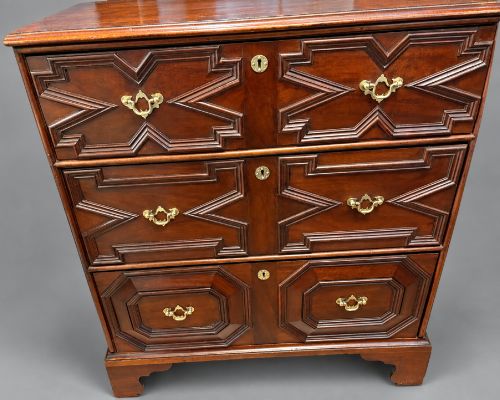
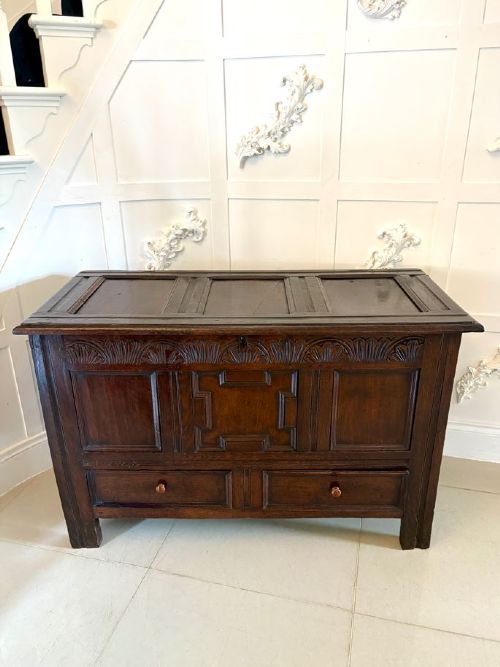
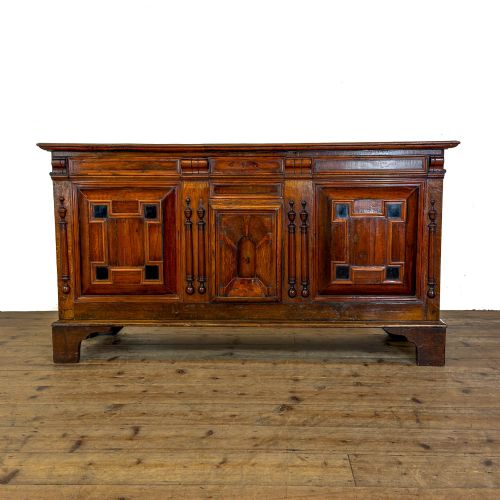
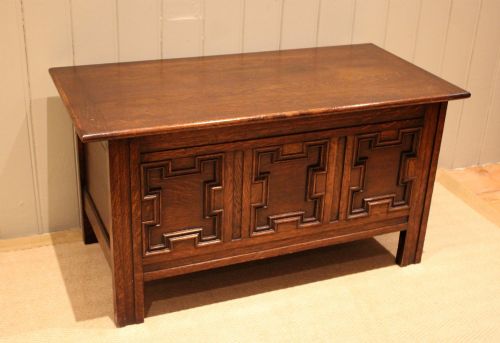
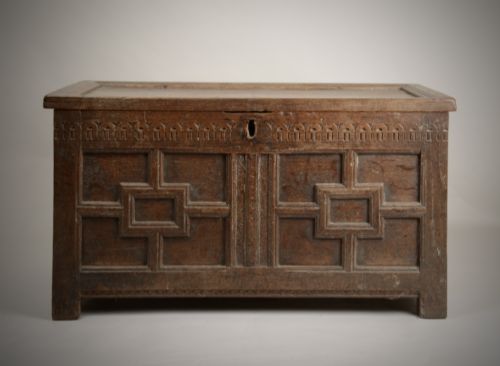
An antique geometric box encompasses everything from small pocket snuff boxes to large storage chests, united by patterned surface designs. You will encounter small Tunbridge Ware items and writing boxes alongside larger oak coffers.
The materials range from native oak and walnut to exotic rosewood, kingwood, and specimen bone veneers. These pieces serve as functional containers for correspondence, sewing gear, and valuables.
Origins stretch from sixteenth-century chests to Art Deco compacts and cigarette cases. The geometric aesthetic manifests through parquetry, chip carving, and mosaic inlay rather than figurative motifs.
Materials and construction methods
Maker workshops utilised solid hardwoods like oak for large chests, employing panelled construction and iron hardware for structural durability. Carving and chip carving provided the decorative texture on seventeenth-century examples.
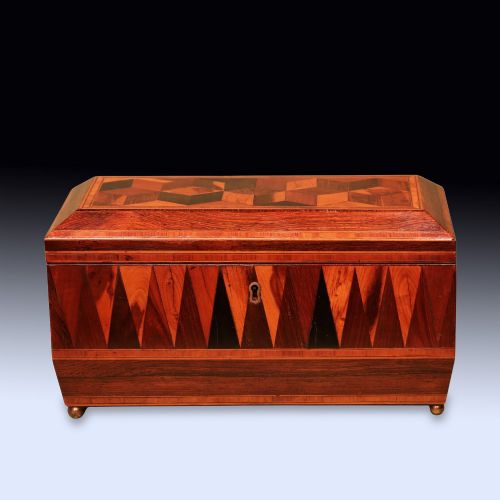
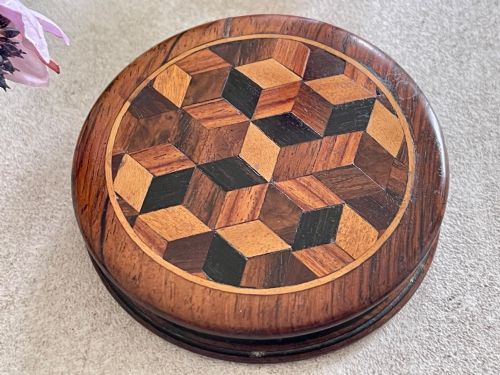
Smaller tabletop boxes relied on fine veneers of rosewood, satinwood, and ebony applied over a secondary timber core. Marquetry and parquetry techniques involved cutting tiny geometric wood segments by hand to form intricate tiled surfaces.
Specialised traditions such as Tunbridge Ware assembled thousands of coloured wood micro-mosaics into pictorial or geometric panels. Bone and white metal accents further enhanced the surface complexity of nineteenth and early twentieth-century pieces.
Antique Geometric Box Retail Price Guide 2026
Typical asking prices for geometric box among the pieces listed under this phrase on Sellingantiques today, from the lower quarter to the upper quarter. They describe what is for sale here now, not the wider market.
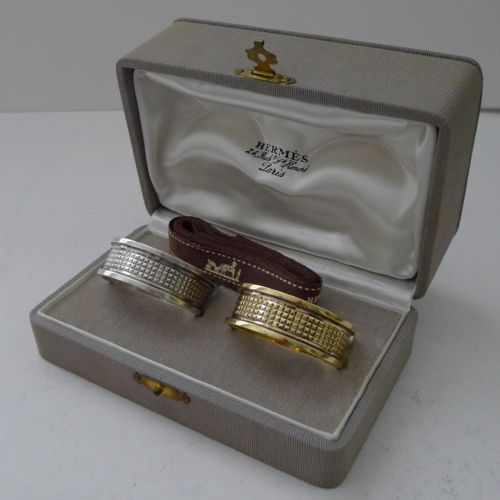
Listings span from sixteenth-century Elizabethan chests to Art Deco chrome compacts, featuring oak, rosewood, bone, and silver.
Evaluating craftsmanship and execution
The precision of the veneer work dictates the standing of a box. Superior examples display microscopic accuracy in timber alignment without visible filler or warped substrates.
Originality of fitted interiors, locks, and keys elevates a piece significantly. Altered surfaces or replaced hardware diminish the integrity of the object.
Depth of carving and the complexity of the mosaic determine the tier of execution. Simpler plank construction sits at the utilitarian end, while multi-wood parquetry and Sadeli micro-mosaics represent master craftsmanship.
Edmund Nye
The Antique Geometric Box Glossary
- Parquetry
- Geometric wood mosaic work formed by fitting small veneer tiles together to create patterns. It creates surface interest on tabletop boxes and tea caddies.
- Tunbridge Ware
- Woodware decorated with tiny mosaic tesserae made from naturally coloured woods. This technique produces intricate geometric and floral designs characteristic of nineteenth-century spa souvenirs.
- Mule chest
- A storage chest featuring one or more drawers beneath the main compartment. These pieces bridge the gap between simple coffers and full chests of drawers.
- Chip carving
- A style of relief carving where small chips are removed from a flat wooden surface with a knife or chisel. It appears on regional folk pieces and small boxes.
- Sadeli mosaic
- An intricate form of micro-mosaic originating in India, using horn, ivory, tin, and wood. It frequently decorates nineteenth-century Anglo-Indian boxes.
Antique Geometric Box: Frequently Asked Questions
What were small geometric boxes used for?
Small boxes held precious personal items such as snuff, matches, stamps, and sewing implements. They sat upon desks, dressing tables, and parlour surfaces as both decorative and practical accessories.
Larger chests accommodated heavy linens, documents, and valuables, functioning as secure domestic storage before fitted closets became common.
How do I date an oak coffer?
Sixteenth and seventeenth-century coffers rely on pegged frame-and-panel construction with hand-riven timber marks. Iron strap hinges and lock plates often display blacksmith handiwork unique to the period.
Later revivals from the twentieth century utilise modern machine-cut timber and standardised fixings that lack the undulating surface texture of older boards.
What is Tunbridge Ware?
Tunbridge Ware is a specialised type of woodwork originating from Kent, featuring microscopic wooden tesserae. Craftsmen glued thousands of dyed wood slivers together to form geometric bands and architectural motifs.
These mosaics were then sliced thinly and applied to the exteriors of tea caddies, writing slopes, and needlework boxes.
How should I care for wood and veneer boxes?
Keep wooden boxes away from direct sunlight and radiators to prevent the dry heat from shrinking the substrate and cracking delicate veneers. Maintain a stable room temperature to protect antique adhesives and natural finishes.
Apply a light microcrystalline wax occasionally to nourish the timber without building up heavy residues that obscure the fine grain and inlay.