





Antique Gentleman Study Art
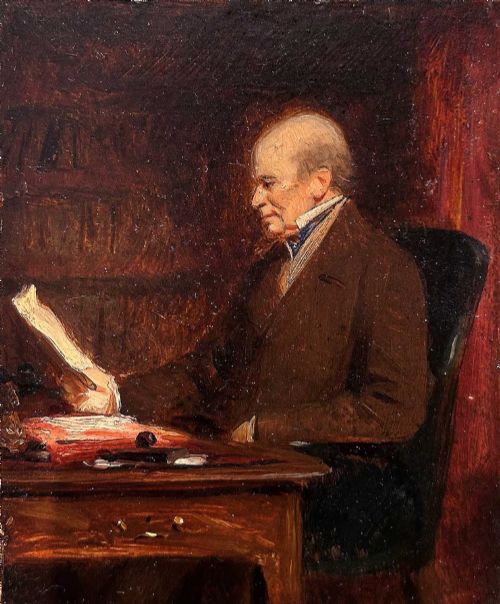
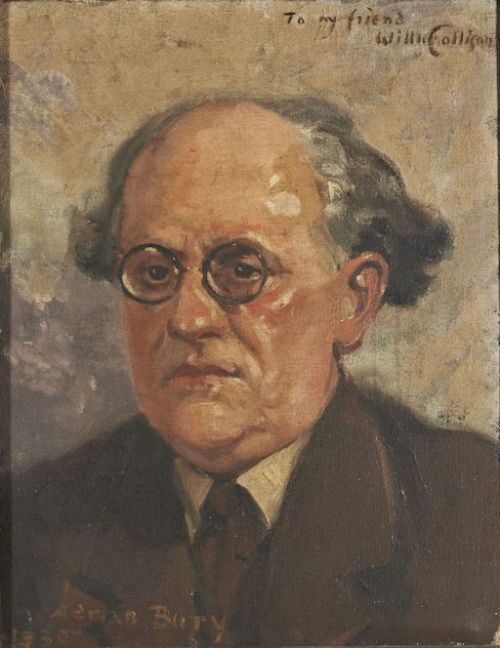
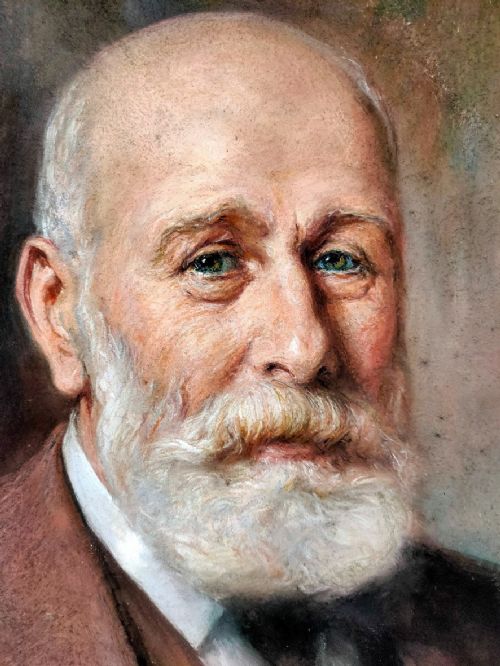
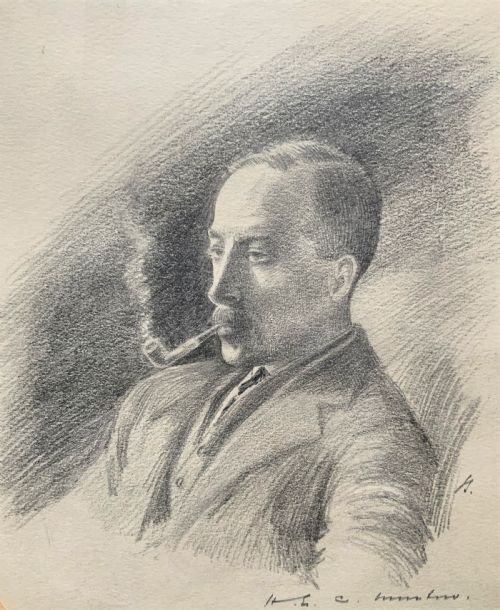
These antique gentleman study art works capture character and likeness across oil paint, canvas, and graphite.
Antique Gentleman Study Art
An antique gentleman study art piece focuses on the portraiture and character representation of men, typically produced across the nineteenth and early twentieth centuries. These works range from finished oil paintings on canvas to intimate portrait drawings and bronze sculptures.
The selections on this page span Victorian and Edwardian periods, featuring academic realism and narrative realism styles. Buyers frequently encounter detailed oil paintings and original portrait drawings that depict specific historical figures, literary characters, and anonymous sitters.
Originating largely from British and European schools, these pieces reflect the traditional methods of portraiture prized in private studies and libraries. Each work provides a direct window into the aesthetic preferences of the nineteenth and early twentieth centuries.
Materials and construction methods
Artists relied upon oil paint applied to canvas or paper substrates to build rich, layered portraits with nuanced depth. Preparatory drawings frequently utilised graphite, charcoal, and watercolour on paper to capture initial likenesses.
Three-dimensional studies employed bronze casting techniques to render detailed portrait busts of notable subjects. These materials combined to create durable works intended for interior display in studies and drawing rooms.
Antique Gentleman Study Art Retail Price Guide 2026
Typical asking prices for gentleman study art among the pieces listed under this phrase on Sellingantiques today, from the lower quarter to the upper quarter. They describe what is for sale here now, not the wider market.
Several gentlemen in these portraits appear alongside smoking pipes, fishing tackle, or historical titles, preserving the specific hobbies and professions of Victorian life.
Assessing quality in portrait studies
Quality rests upon the artist's ability to render anatomical precision and psychological depth within the subject's expression. Masterful handling of light and shadow, particularly in oil and bronze mediums, distinguishes accomplished academic works from standard productions.
The provenance and documented identity of the sitter also influence the standing of a piece. Works by recognised Royal Academicians and documented artists demonstrate superior draughtsmanship and compositional control compared to anonymous school pieces.
Sir Thomas Brock·John Arthur Lomax·William Woodhouse·George Richmond·Ernest Borough Johnson
The Antique Gentleman Study Art Glossary
- Academic Realism
- A style of painting and sculpture produced under the influence of European academies of art. It emphasises precise anatomical accuracy, careful finish, and classical compositional rules.
- Bronze Study
- A preliminary or finished three-dimensional sculpture cast in bronze. These pieces capture form and texture prior to or independent of larger monuments.
- Portrait Drawing
- A work executed on paper using media such as graphite, charcoal, or watercolour. These studies focus on the likeness and character of an individual sitter.
- Victorian Narrative Realism
- An artistic approach that depicts realistic scenes infused with storytelling elements. This style was prominent during the reign of Queen Victoria.
- Oil on Canvas
- A traditional painting medium consisting of pigments suspended in drying oils applied to a stretched canvas support. This combination allows for rich blending and longevity.
Antique Gentleman Study Art: Frequently Asked Questions
What is an antique gentleman study?
An antique gentleman study is a portrait painting, drawing, or sculpture depicting a male subject, often created as a preparatory work or a detailed character study.
These pieces typically date from the nineteenth and early twentieth centuries and reflect academic or realist traditions.
How were these portrait studies used?
These works were created as preparatory studies for larger portraits, standalone artworks for domestic display, or commemorative pieces for private libraries and studies.
Sitter portraits often recorded historical figures, explorers, or literary characters for contemporary and future audiences.
How do I care for oil and paper art?
Oil paintings on canvas require stable indoor environments away from direct sunlight and excessive humidity to protect the paint layer.
Works on paper, such as graphite and watercolour studies, need framing behind conservation-grade glass to prevent fading and paper degradation.
How can I identify the period of a study?
Period identification relies upon framing materials, canvas stamps, artistic styles, and documented signatures or biographical dates of the artist.
Victorian and Edwardian works often exhibit specific clothing styles, facial hair trends, and academic painting techniques characteristic of their decades.