

Antique Gentleman Art
When you search for antique gentleman art, you encounter centuries of portraiture and curated objects capturing the likeness and presence of historical figures.
Antique Gentleman Art
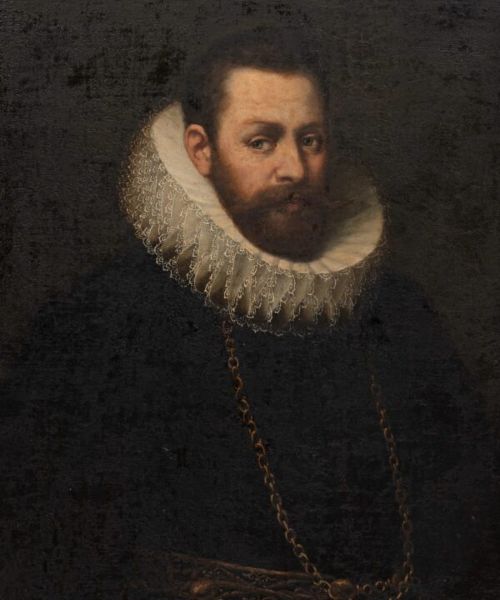
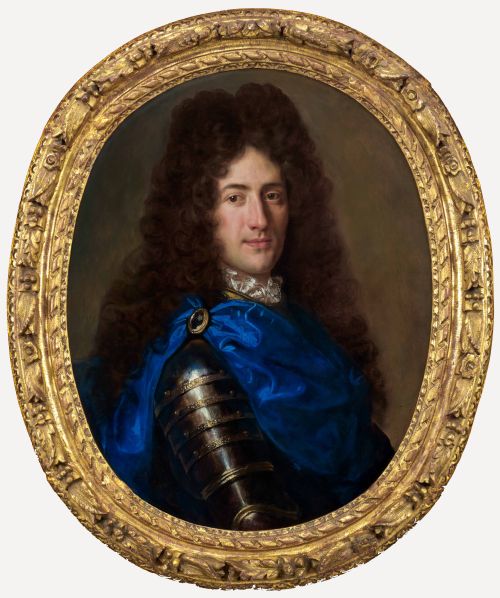
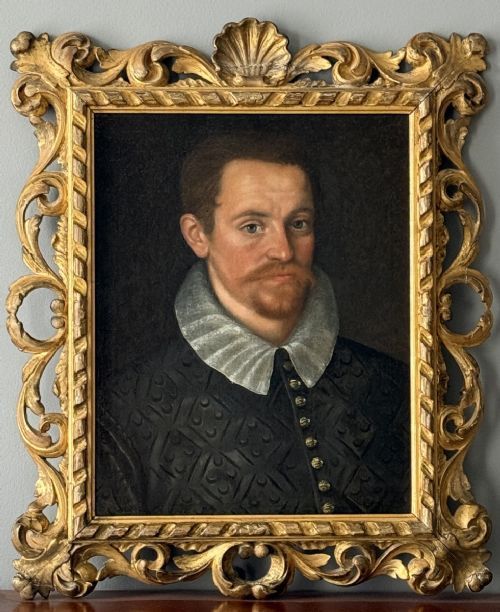
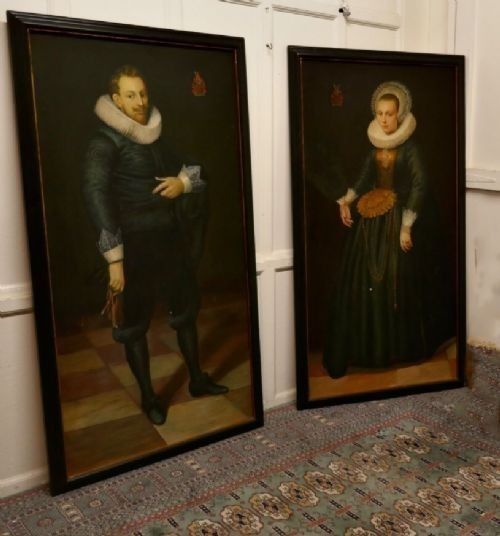
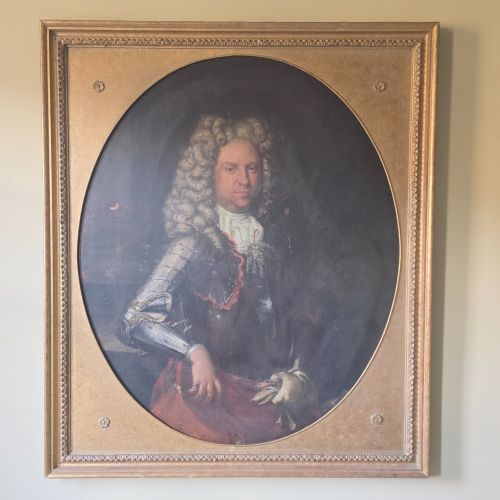
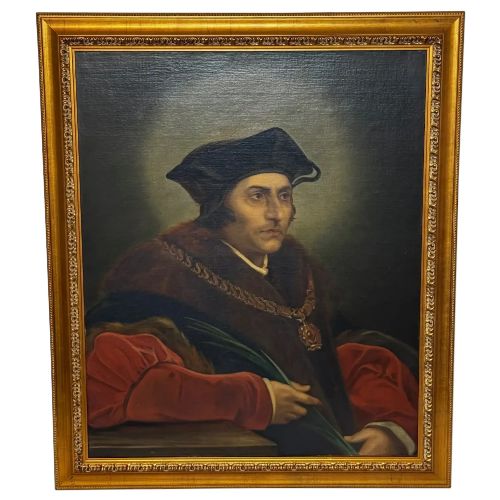
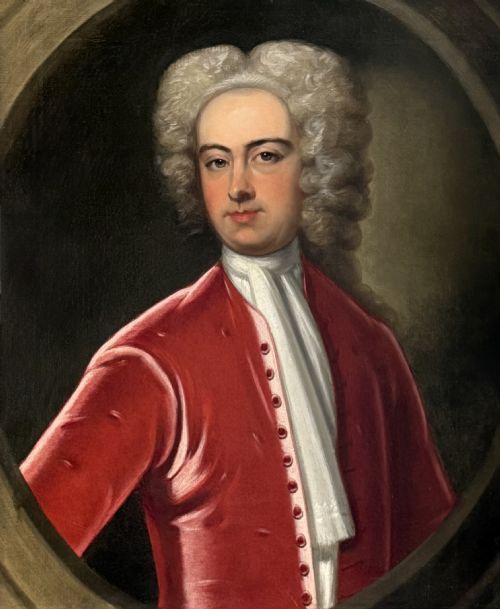
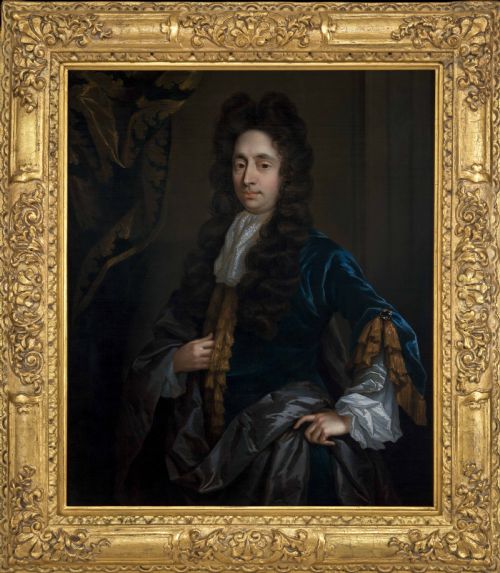
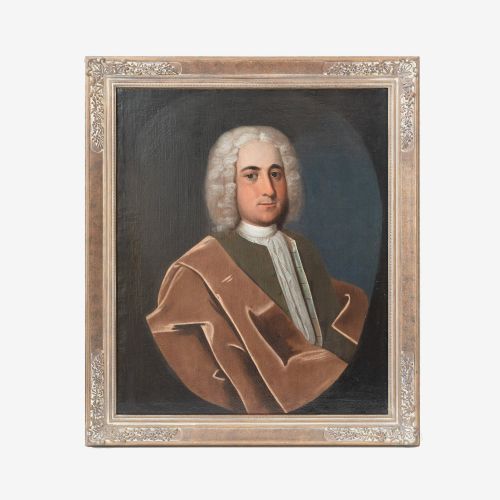
The category of antique gentleman art centres primarily on oil paintings and portrait miniatures depicting male subjects from the seventeenth century through to the twentieth century. These works capture sitters in formal attire, military uniform, or scholarly dress, reflecting the social standing of the individual portrayed.
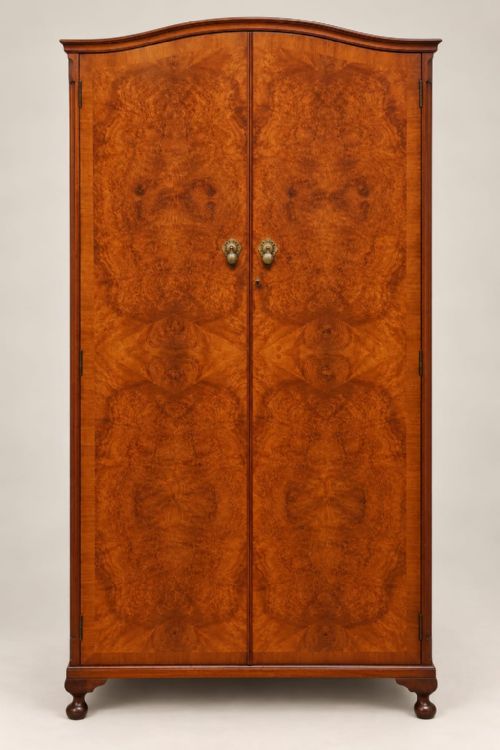
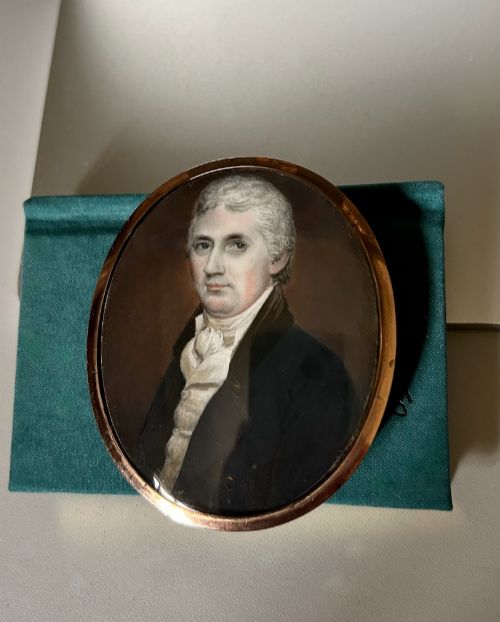
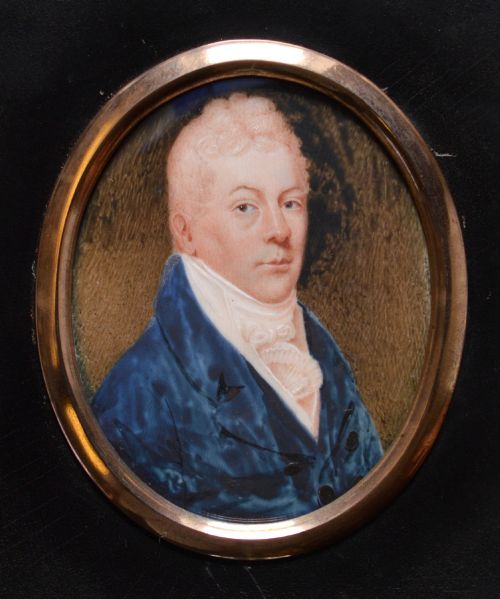
Beyond painted canvases, the selection includes detailed silhouettes on paper, framed watercolours, and occasional decorative items such as walking sticks or wardrobes associated with period aesthetics. Portraits range from grand seventeenth-century Dutch and British school oils to intimate Georgian miniatures painted on ivory or paper.
The forms span various regional styles, including Baroque, Regency, and Art Deco movements, offering a broad spectrum of visual history. Buyers encounter both documented works by known portraitists and atmospheric pieces attributed to regional schools.
Materials and techniques
Oil on canvas serves as the primary medium for the larger portraits, utilising layered oil paint applied with traditional brushwork to build depth in fabrics like velvet, lace ruffs, and embroidered doublets. Giltwood and gold leaf frequently frame these canvases, adding structural weight and decorative brilliance.
Miniatures and smaller works employ delicate surfaces such as ivory or paper, accommodating fine watercolour pigments and silhouette cuttings. Furniture and accessories within the selection utilise burr walnut, brass, glass, and wood, shaped through period cabinetry and carving methods.
Listings feature oil paintings, watercolours, and silhouettes spanning the seventeenth, eighteenth, and nineteenth centuries.
Distinctions in quality
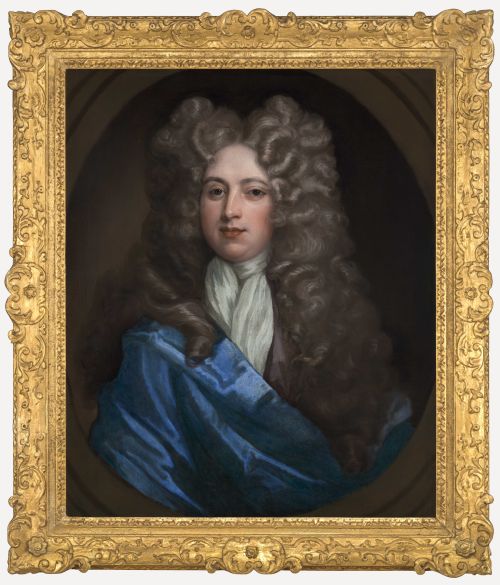
The distinction between standard examples and the finest works rests upon the precision of the brushwork and the anatomical accuracy of the sitter's hands, face, and drapery. Master portraitists capture convincing texture in fabrics like satin and periwigs, whereas lesser works display rigid lines and flat planes.
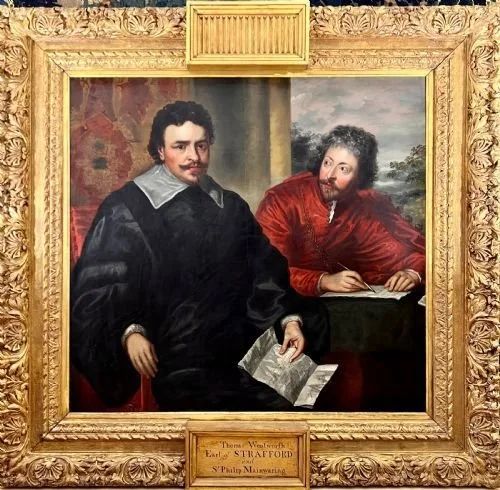
Provenance and attribution elevate certain pieces significantly, particularly when an oil painting links directly to a recorded artist or a documented historical sitter. The integrity of the original frame, whether giltwood or gold plated, also influences the overall standing of the artwork.
Joseph Vivienne·Thomas Murray·Constantyn Netscher·Charles Jervas·Lemuel Francis Abbott
The Antique Gentleman Art Glossary
- Oil on canvas
- A painting medium where pigments are suspended in a drying oil and applied to a stretched canvas support. This technique allowed artists to achieve rich tonal gradations and lasting durability.
- Portrait miniature
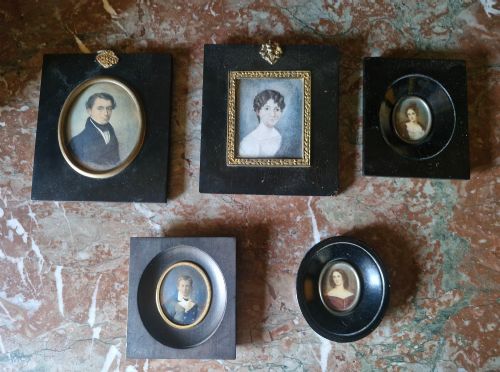
- A small, highly detailed painting, often executed on ivory, vellum, or paper. These portable artworks were traditionally kept as personal mementoes or worn as lockets during the Georgian era.
- Silhouette
- A profile portrait cut from black paper or painted onto card or plaster. Popularised in the eighteenth and nineteenth centuries, these works captured likenesses through stark shadow outlines.
- Ruff
- A prominent, pleated collar worn during the late sixteenth and seventeenth centuries. In portraiture, the intricate folds demonstrate the artist's ability to render complex textiles and lace.
- Giltwood
- Wood that has been coated with a thin layer of gold leaf or gold paint. Frames treated in this manner provide a reflective border that complements the darker tones of early oil paintings.
Antique Gentleman Art: Frequently Asked Questions
How do I date an antique portrait?
Dating relies heavily on the sitter's costume, including the style of coats, wigs, ruffs, and neckwear shown in the painting. Hairdos and framing materials also provide strong chronological markers.
Secondary clues include stretcher construction, canvas types, and any inscriptions or signatures recorded on the reverse of the work.
Where were portrait miniatures displayed?
Miniatures were typically carried in pockets, worn as personal jewellery, or kept in private chambers rather than hung on large drawing-room walls. Their intimate scale suited close inspection by family members.
Many retain their original protective cases or folding leather folios designed for safe transport.
What is an English school painting?
The term denotes an artwork created by an artist working within Britain whose specific identity remains unrecorded, though their style reflects the prevailing national traditions of the period.
These pieces are categorised by the stylistic conventions and painting techniques common to British workshops of that era.
How should I care for oil portraits?
Paintings on canvas require stable indoor humidity and protection from direct sunlight to prevent cracking in the oil paint and fading of pigments. Environmental fluctuations can cause the canvas to slacken or tighten.
Dusting should be done gently with a soft, dry brush, avoiding any moisture or cleaning solutions on the painted surface.