
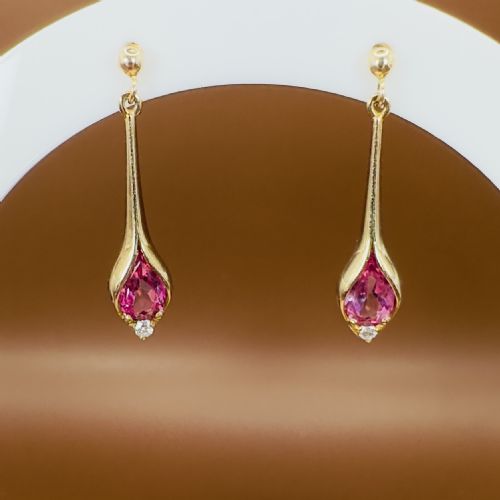


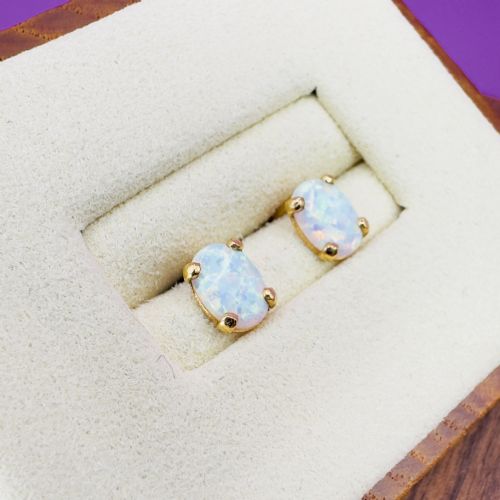
Antique Gemstone Studs
Antique gemstone studs combine historic metalwork with coloured stones, offering a neat, close-fitting profile that sits comfortably against the ear lobe.
Antique Gemstone Studs
When buyers search for antique gemstone studs, they encounter small earrings designed to fasten closely to the ear, alongside related forms such as dress studs and cufflinks. The selection spans periods from the Victorian era through Edwardian designs to the Art Deco and Mid-Century decades.
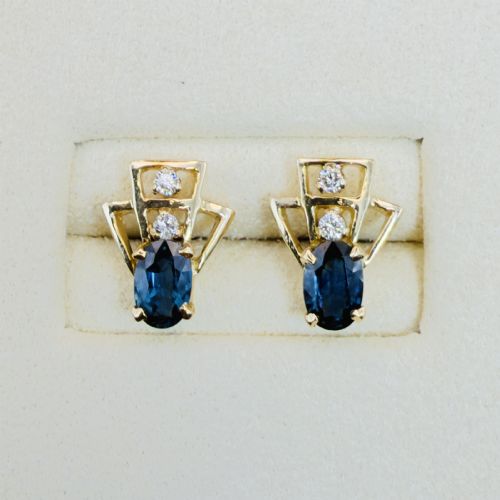
The most common variants on this page include simple cluster configurations, single stone cuts, and drop or screw-on adaptations in gold settings. Pieces range from unpretentious nineteenth-century garnet clusters to geometric 1930s sapphire and diamond work.
Materials and construction methods
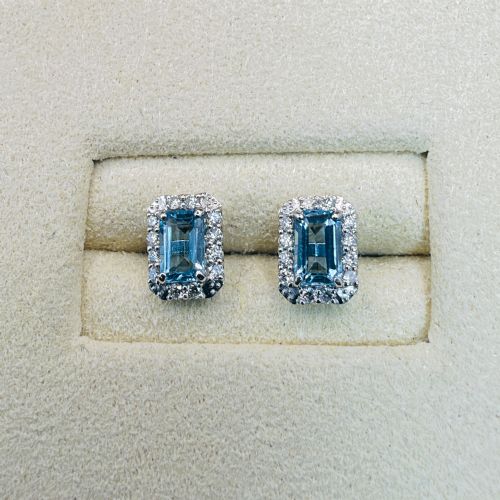
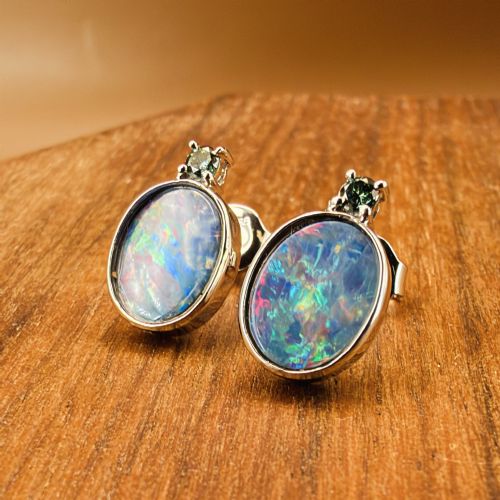
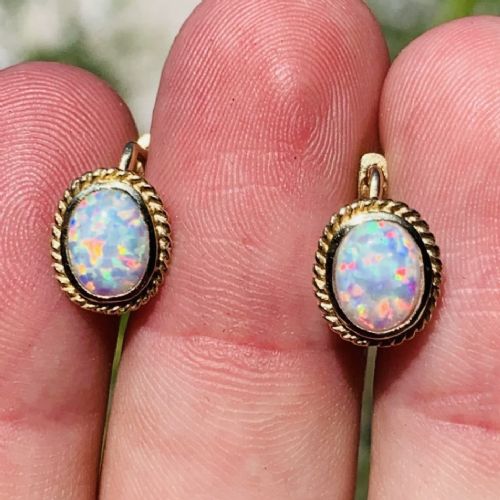
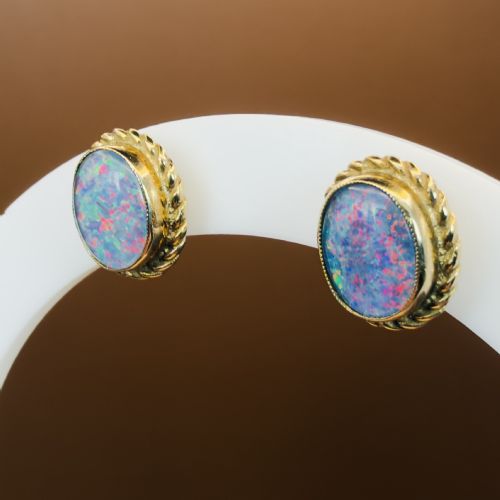
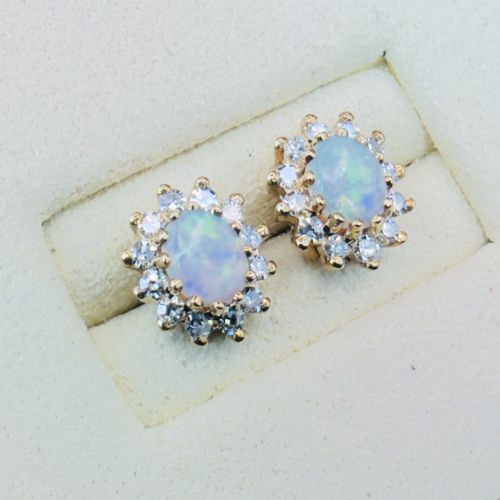
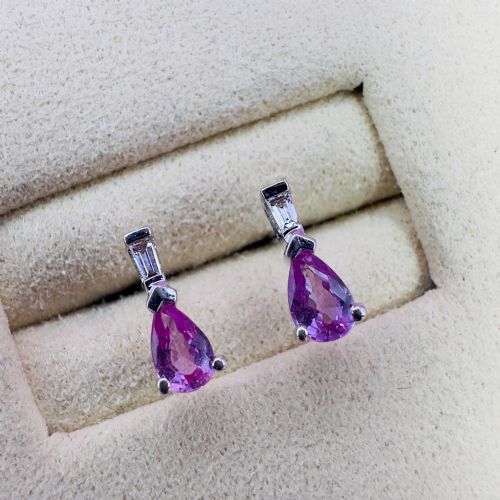
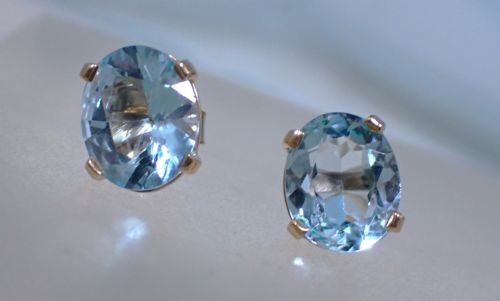
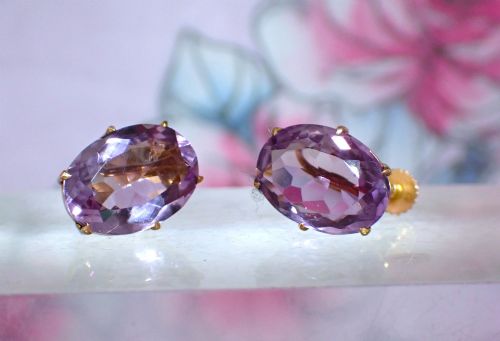
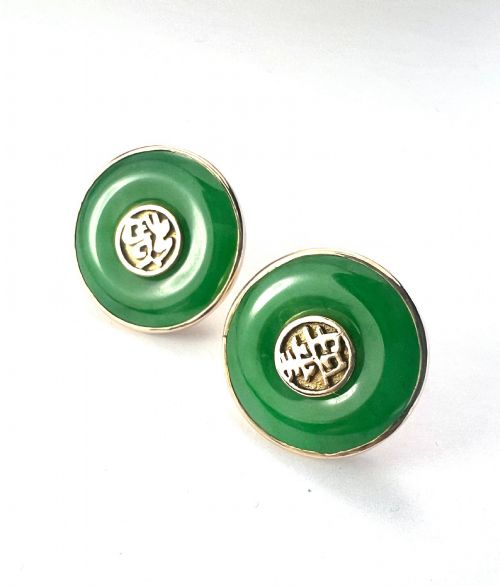
Goldsmiths utilised yellow gold, rose gold, white gold, and platinum to fabricate mountings, pairing them with gemstones such as amethyst, garnet, sapphire, emerald, aquamarine, jadeite, opal, and diamond. Metals were cast, drawn into wire, or beaten into sheet to form claws, bezels, and filigree galleries.
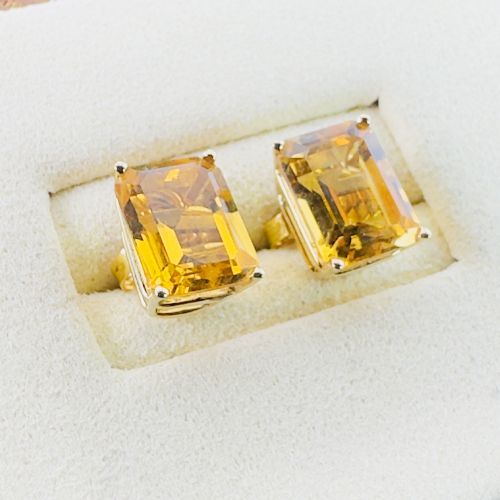
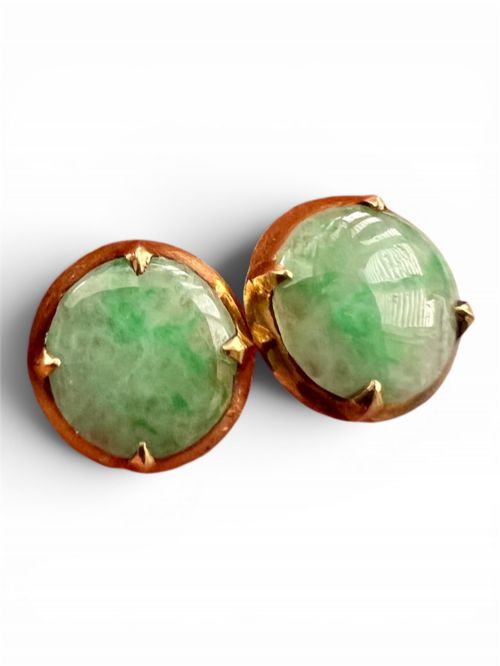
Stones received various historical cuts, including oval, pear, emerald, cabochon, and flat cuts, held securely by prongs or enclosed within closed and open-backed settings typical of their respective decades.
Some Victorian gentlemen wore matching dress studs in their stiff-fronted shirts long before matching earrings became standard daily attire.
Distinctions in craftsmanship and stone selection
Quality separates pairs with finely matched natural stones and crisp, hand-finished metalwork from simpler commercial pieces with mismatched gems or worn settings. The integrity of the original claw work and the precision of the stone cutting dictate the overall standard of survival.
Refinement in the secondary ornamentation, such as delicate filigree wirework or well-proportioned diamond haloes, distinguishes superior workshop output from utilitarian production.
The Antique Gemstone Studs Glossary
- Cluster
- An arrangement where a central gemstone is surrounded by a border of smaller stones, typically diamonds or pearls. This layout maximises perceived visual impact.
- Cabochon
- A gemstone shaped and polished with a smooth, rounded domed surface rather than faceted planes. This style is frequently applied to garnets, opals, and jadeite.
- Filigree
- Ornamental work consisting of fine, twisted wire soldered together in open patterns. It appears often in Victorian and mid-century gold mounts.
- Screw-back
- A mechanical fastening mechanism using a threaded post and nut to secure the piece without requiring pierced ears. This fitting gained popularity in the early twentieth century.
- Basaltic sapphire
- A sapphire originating from alkali basalt terrains, known for deep, saturated hues. These stones appear frequently in Art Deco cluster designs.
Antique Gemstone Studs: Frequently Asked Questions
What periods do these studs come from?
The listings span the Victorian era, the Edwardian period, the 1920s and 1930s Art Deco years, and mid-century decades up to the 1960s.
Each period brings distinct material preferences, such as heavy garnet clusters in the nineteenth century and platinum-topped white gold geometric shapes in the interwar years.
Are all these earrings for pierced ears?
While many designs use standard posts or wire hooks, several historical examples utilise screw-back mechanisms or clip-on fittings.
These alternative fastenings were manufactured to accommodate lobes that were not pierced, reflecting the prevailing jewellery conventions of their time of making.
How do I identify an Art Deco pair?
Art Deco pieces generally exhibit strict geometric lines, symmetric arrangements, and the use of white metals like platinum or white gold.
Cut styles such as trapezoid, emerald, and calibre-cut stones often accompany these angular, streamlined designs from the 1920s and 1930s.
What gemstones were used historically?
Goldsmiths set a wide variety of stones, ranging from familiar diamonds and sapphires to amethysts, garnets, aquamarines, opals, jadeite, and amber.
Many of these minerals were sourced globally and shaped into flat, cabochon, or faceted profiles depending on the optical properties of the specific material.