
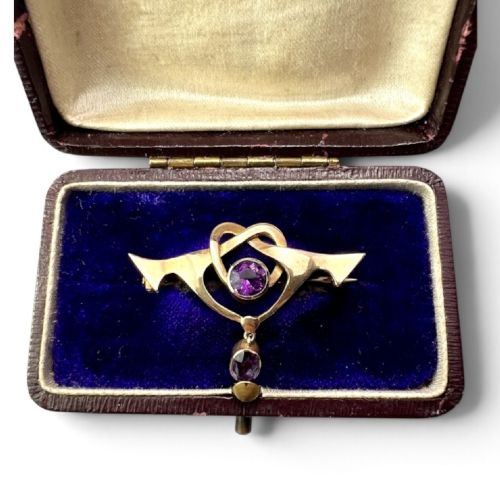
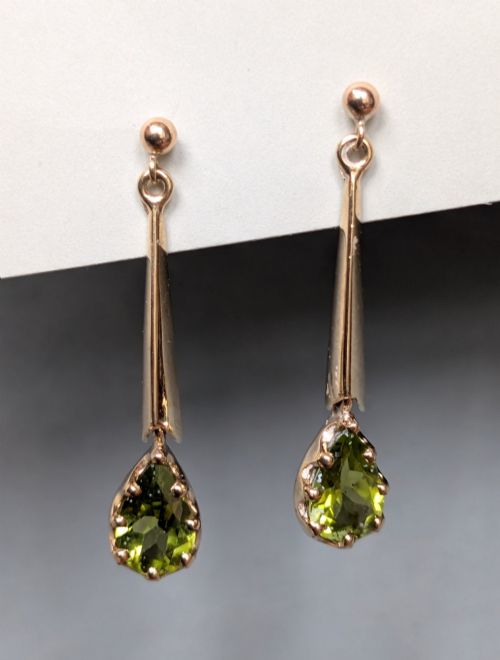
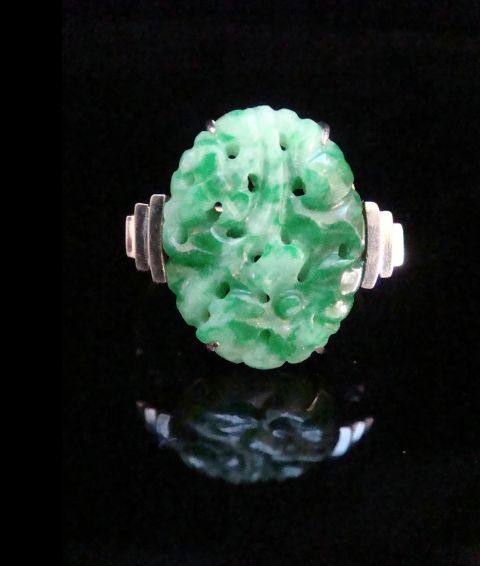
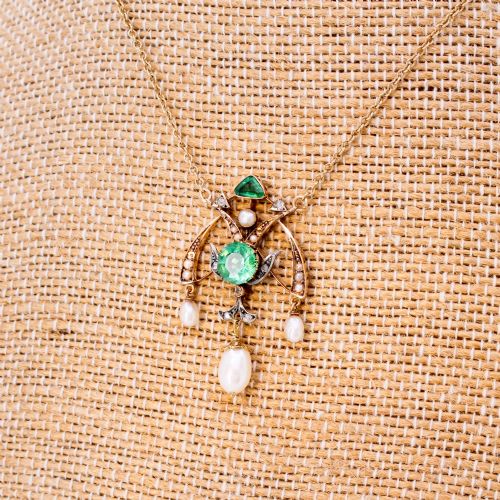
Antique Gemstone Jewelry
Antique gemstone jewellery spans Georgian, Victorian, Edwardian, and Art Deco periods, offering rings, brooches, and pendants set with diamonds, sapphires, amethysts, and gold.
Antique Gemstone Jewelry
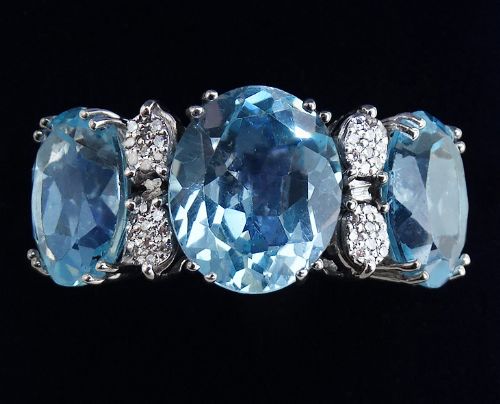
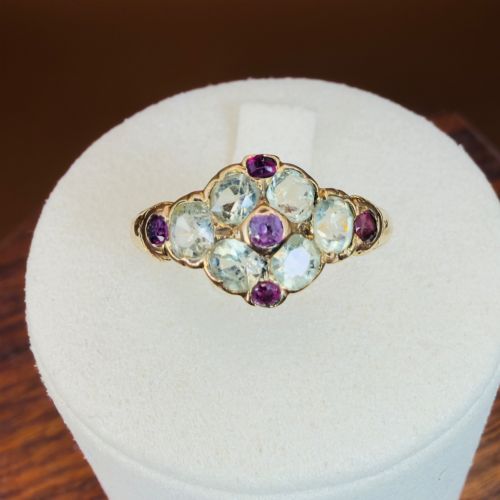
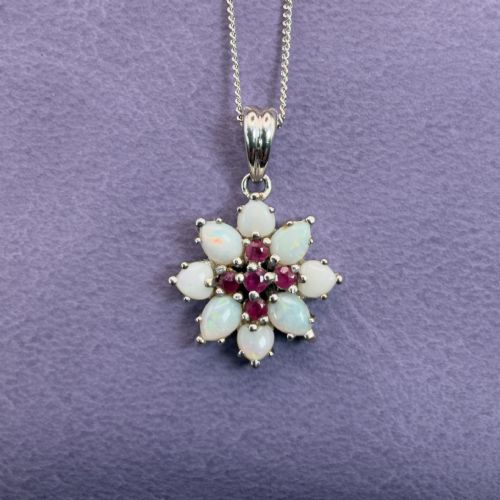
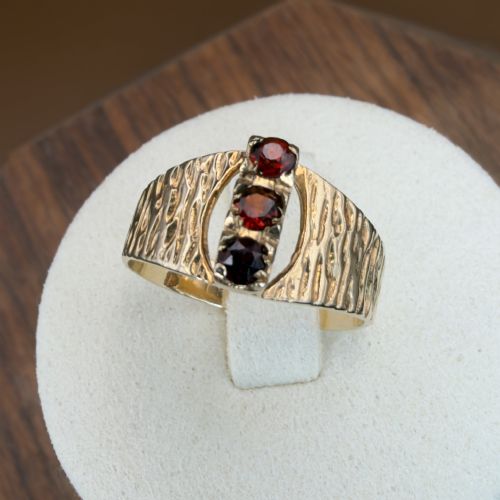
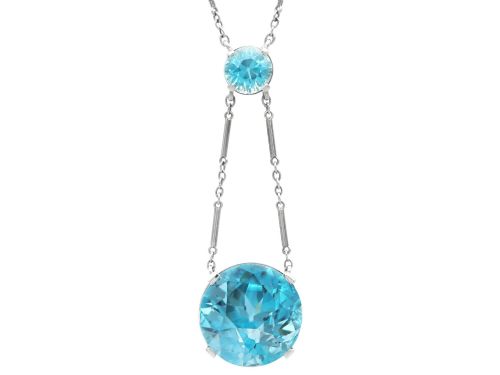
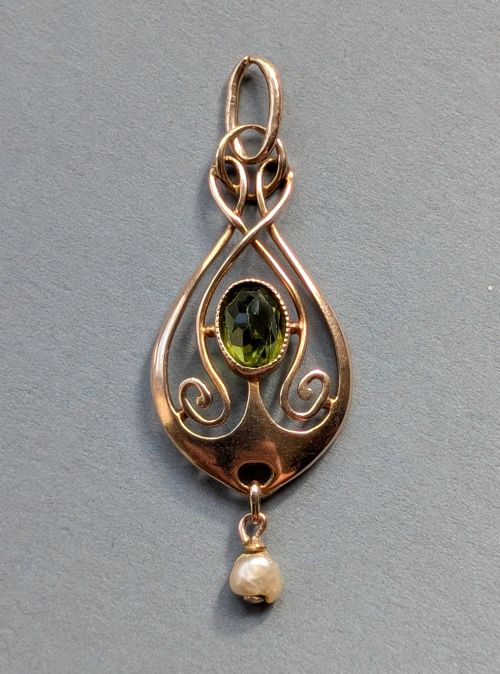
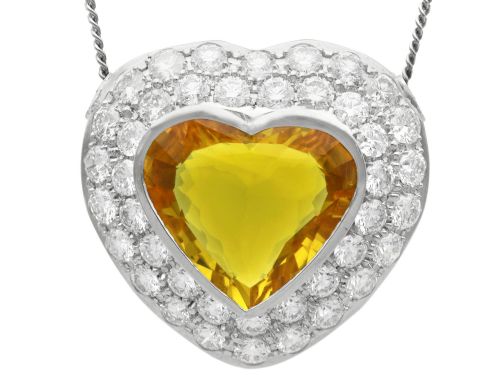
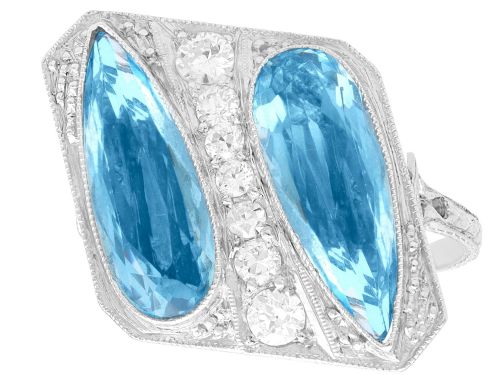
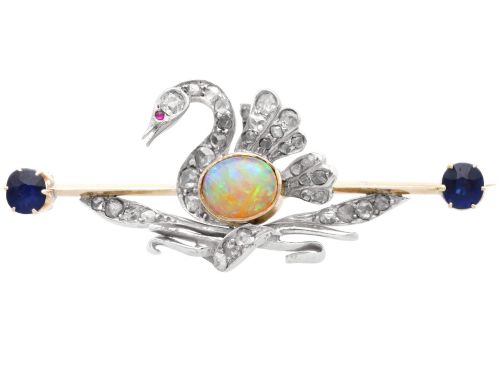
The selection includes cluster rings, trilogy rings, drop earrings, and fringe necklaces featuring varied stones such as zircon, peridot, opal, ruby, and emerald. Items frequently combine multiple gemstone varieties within single mounting designs.
Most pieces date from the late nineteenth century through the 1930s, reflecting the aesthetic shifts of the Victorian period into Edwardian delicacy and geometric Art Deco styling.
How these pieces were made
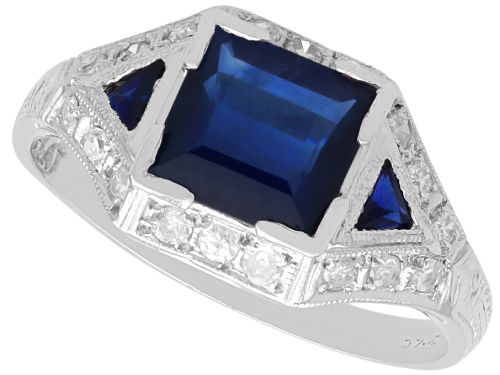
Craftsmen utilised metals such as 9ct gold, 15ct gold, 18ct yellow and white gold, and platinum to set diamonds, sapphires, amethysts, and pearls.
Construction techniques involve detailed openwork floral designs, cluster settings, and intricate stone arrangements executed by established workshops and makers.
One exceptional Victorian bird brooch manages to perch a ruby, emerald, diamond, and natural pearl simultaneously upon a single gold branch.
What varies in quality
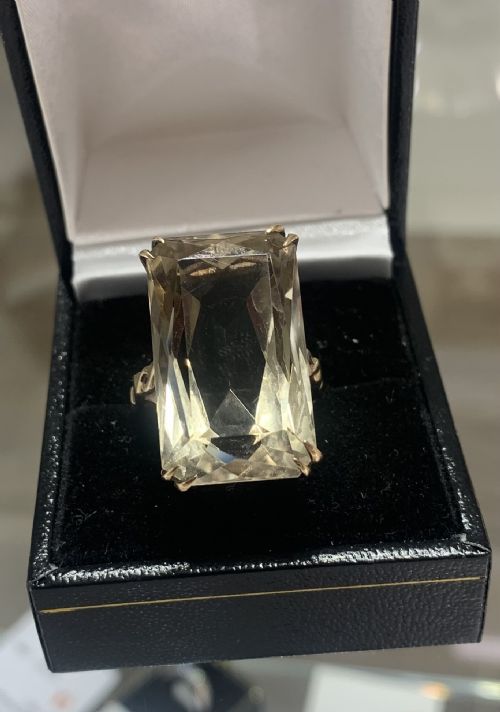
Quality differences appear in the selection and size of the central gemstones, ranging from large zircons and amethysts to finer coloured stones accompanied by matched diamond accents.
The sophistication of the metalwork, whether platinum mounting or detailed gold wirework, distinguishes standard production from exceptional workshop output.
Deakin & Francis·Murrle Bennett·Cartier
The Antique Gemstone Jewelry Glossary
- Platinum
- A dense, durable precious metal utilised heavily in Edwardian and Art Deco mountings for its strength in holding fine diamonds.
- Cluster ring
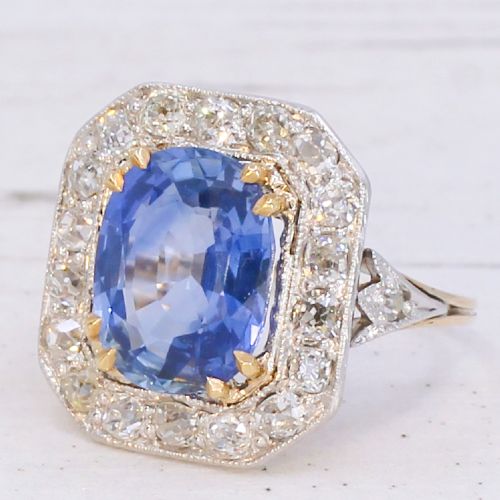
- A ring design featuring a central gemstone surrounded by a border of smaller stones, often diamonds.
- Trilogy ring
- A ring set with three stones, typically representing past, present and future.
- Intaglio
- A gemstone carved with a sunken design, seen in antique rings and fobs.
Antique Gemstone Jewelry: Frequently Asked Questions
How do I care for antique gemstone jewelry?
Clean pieces gently with soft cloths and avoid harsh chemical dips that can damage softer stones like opals or pearls.
Store items separately to prevent gemstones from scratching softer gold settings or other stones.
What periods do these pieces cover?
The selection includes items from the Georgian, Victorian, Edwardian, Art Nouveau, Art Deco, and Mid-Century eras.
Each period brings distinct metal choices and mounting styles, from yellow gold Victorian clusters to platinum Art Deco geometric designs.
How are different gemstone types set?
Stones are secured using claws, bezels, or flush settings depending on the era and the shape of the gem.
Platinum mountings frequently feature millegrain edges, while earlier gold rings often rely on sturdy claw settings.
Can I wear antique rings daily?
Many sturdy rings suit regular wear, though delicate Edwardian or high-carat gold pieces benefit from occasional rather than constant use.
Consider the hardness of stones like diamonds and sapphires versus softer gems such as opals when planning daily wear.