


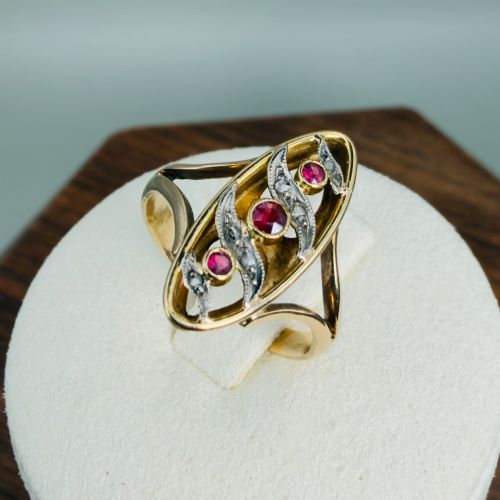
Antique Gemstone Band
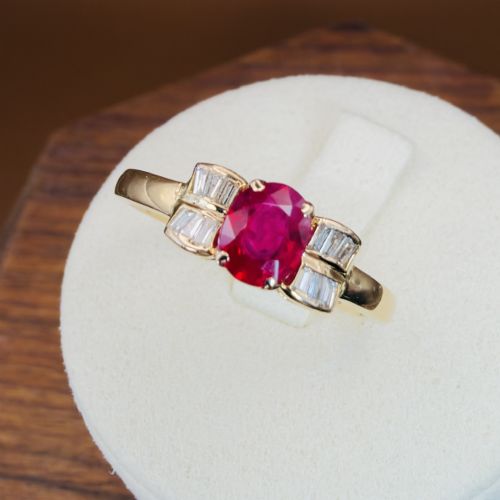
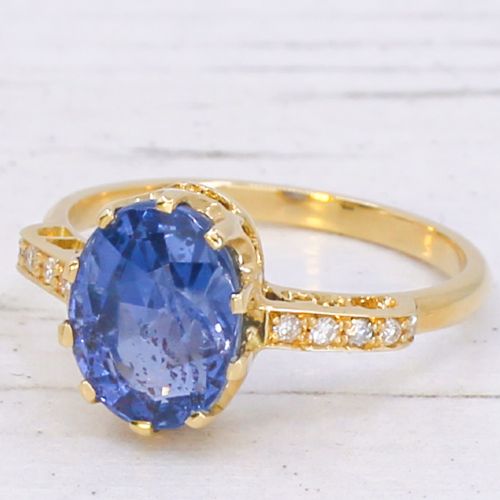
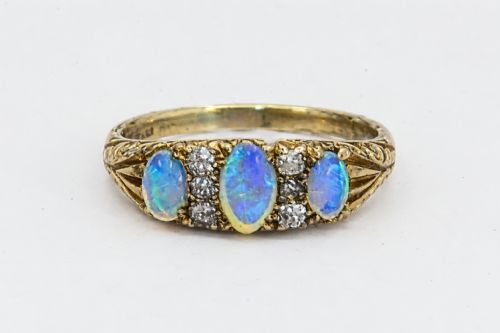
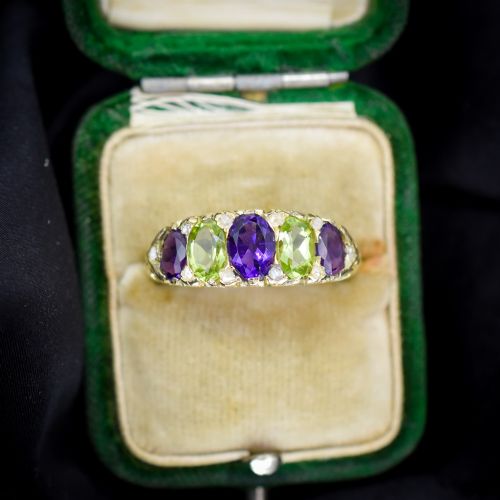
An antique gemstone band carries the weight of history on your hand, formed from precious metals and coloured stones spanning the Victorian to mid-century eras.
Antique Gemstone Band
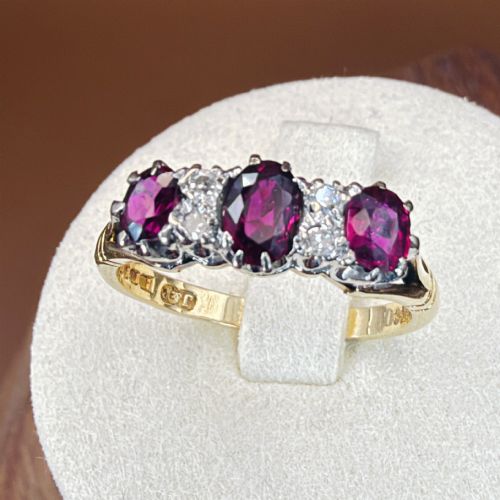
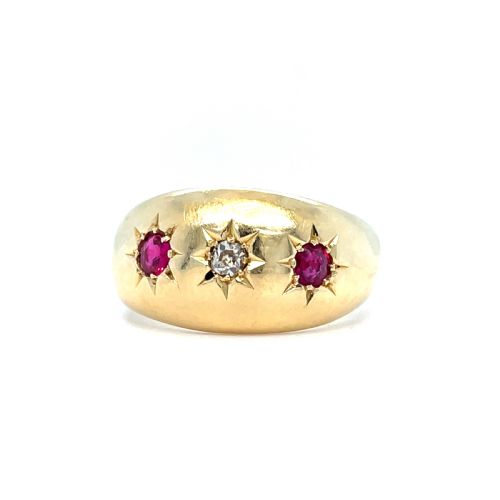
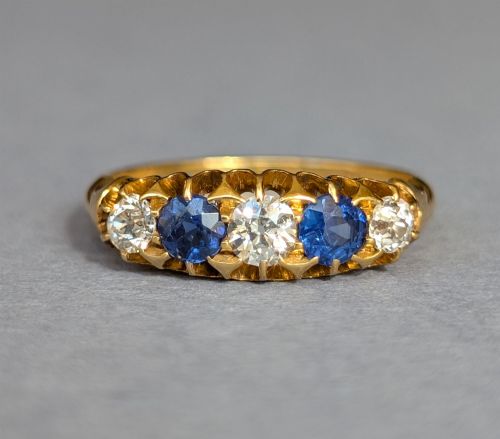
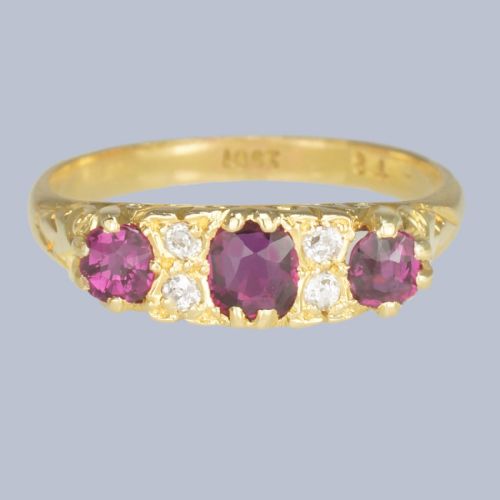
The forms range from traditional five-stone settings, starbursts and boat shapes to cluster arrangements and patterned gold bands. Many examples bear hallmarks or dates from the nineteenth and early twentieth centuries, pointing to specific assay offices such as Birmingham and Chester.
How these pieces were made
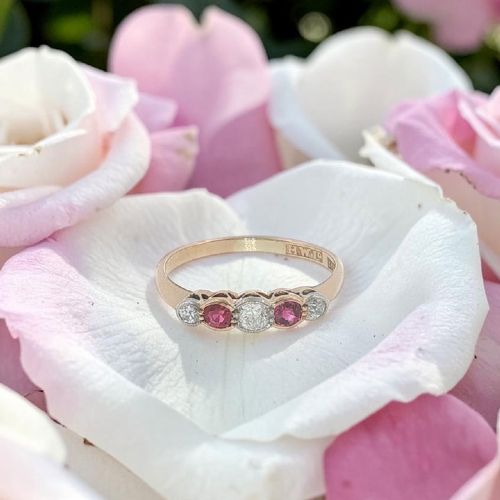
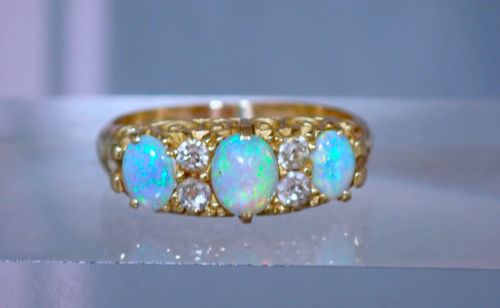
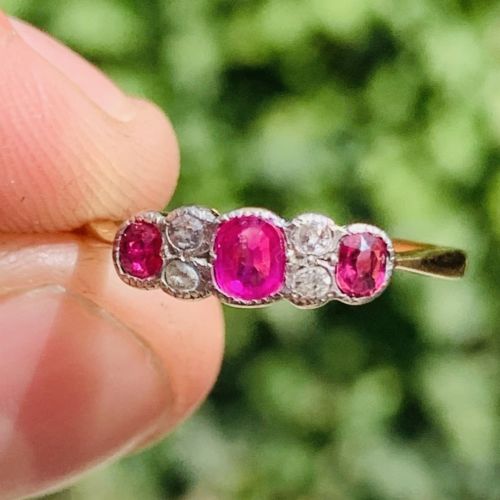
Metals such as 18ct yellow gold, 15ct gold, sterling silver and platinum form the foundational structures, often worked into slender shanks or patterned bands. Stones including old-cut diamonds, rubies, sapphires and pearls are secured through claw settings, flush settings or bezel mounts typical of late Victorian and Edwardian workshops.
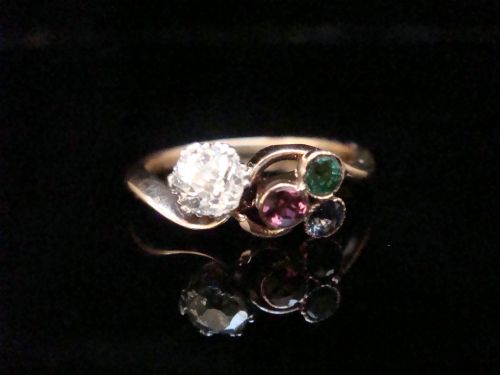
Craftsmen utilised techniques like hand-cutting gemstones into old mine cuts or cabochons, integrating structural elements such as navette styles or split pearl clusters. Platinum occasionally meets 18ct gold in transitional pieces from the early twentieth century to provide secure, bright prongs for diamonds.
Antique Gemstone Band Retail Price Guide 2026
Typical asking prices for gemstone band among the pieces listed under this phrase on Sellingantiques today, from the lower quarter to the upper quarter. They describe what is for sale here now, not the wider market.
Listings feature 18ct gold, platinum and sterling silver set with diamonds, rubies, sapphires and emeralds across Victorian and Edwardian periods.
What varies in quality
The calibre of an antique gemstone band rests upon the integration between the stones and the metalwork, where crisp claw work and well-matched gem sizes elevate a piece. Natural characteristics within rubies, sapphires and opals, alongside the hand-cut facets of old mine diamonds, define the visual depth of the face.
The preservation of original hallmarks, sharp detailing on patterned gold bands and the structural integrity of the shank separate everyday survivals from superior examples of period goldsmithing.
The Antique Gemstone Band Glossary
- Old Cut
- A diamond facet style cut by hand before modern machinery, featuring a smaller table and higher crown that produces a softer candlelit sparkle. These cuts are typical of Victorian and Edwardian rings.
- Navette
- A boat-shaped mounting design featuring pointed ends, popular in Art Nouveau and late Victorian jewellery. This shape creates an elongated profile across the finger.
- Cabochon
- A gemstone polished into a smooth, rounded dome rather than faceted with flat planes. This style is frequently utilised for opals, moonstones and turquoise.
- Hallmark
- A series of stamped marks on precious metal indicating the purity standard, assay office and date of manufacture. British stamps often include crown or anchor symbols alongside date letters.
- Trilogy
- A ring setting featuring three principal stones, often interpreted symbolically as representing the past, present and future. They frequently combine diamonds and rubies or sapphires.
Antique Gemstone Band: Frequently Asked Questions
How do I care for an antique gemstone band?
Clean your ring gently using warm water and a soft brush, avoiding harsh chemical dips that can damage softer stones like pearls or opals. Store antique jewellery separately to prevent metals and diamonds from scratching more delicate gems.
Have the setting inspected periodically by a specialist to ensure the claws holding your rubies, sapphires or diamonds remain secure against daily wear.
Can I wear an antique gemstone band every day?
Many people wear these historic rings daily, provided the stones and metalwork are robust enough for modern routines. Harder gems like diamonds, rubies and sapphires withstand regular use well when mounted in sturdy 18ct gold or platinum.
Softer or more porous materials such as opals, turquoise and pearls demand greater caution and are best reserved for lighter occasions to preserve their condition.
How can I tell the period of a ring?
Examine the hallmarks stamped inside the shank, which often provide exact assay office symbols and date letters corresponding to British registry records. Stylistic clues such as floral cluster motifs, platinum toppings and hand-cut stones also point toward specific eras like the Edwardian period or late Victorian times.
Consulting gemmological reports or comparing the setting techniques with documented pieces helps narrow down the decade of manufacture.