




Rose Cut Diamond Band
A rose cut diamond band brings together the flat-bottomed, domed sparkle of older stones and the continuous sweep of a finger ring.
Rose Cut Diamond Band
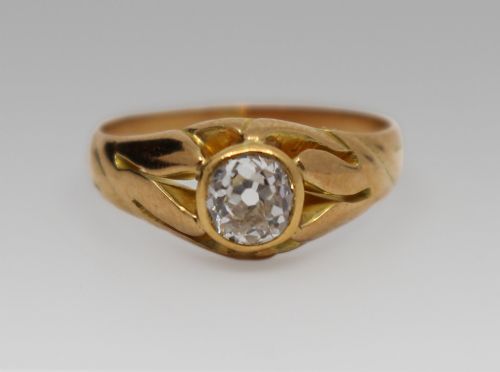
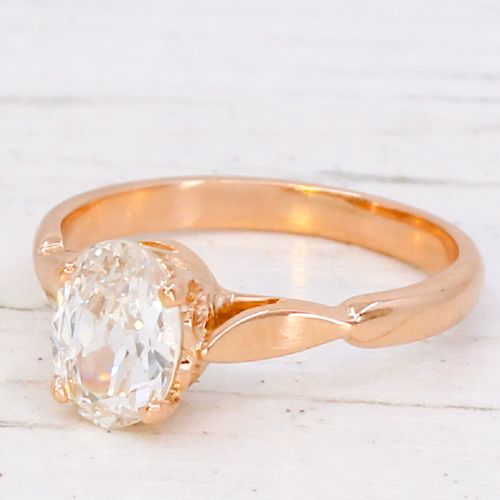
A rose cut diamond band places flat-backed, dome-topped stones across a circular metal hoop, spanning periods from the sixteenth century through the Edwardian era, 1920s, and mid-century. These rings appear in configurations ranging from simple gold bands with gypsy-set stones to elaborate Edwardian and Retro multi-stone designs.
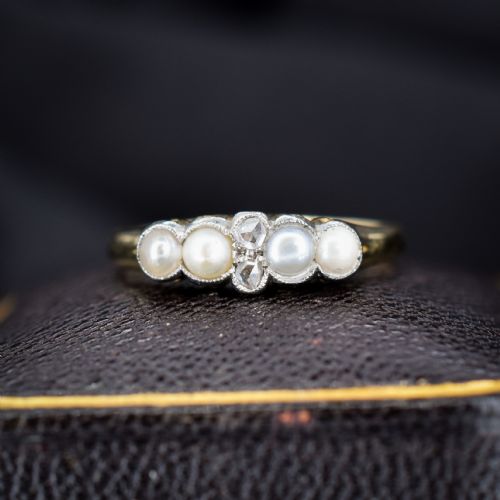
The forms found in these collections include targeted band styles, serpent motifs with diamond eyes, starburst clusters, and sapphire or pearl accents set in yellow gold, rose gold, white gold, and platinum. Most examples encountered on this page date from the Edwardian period or the mid-twentieth century.
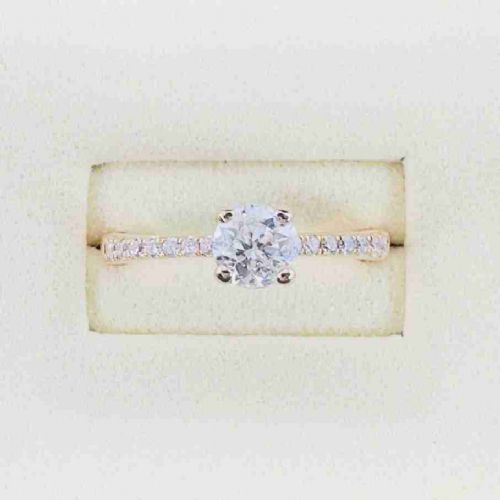
Buyers look for these pieces to wear daily or as engagement rings, drawn to the low profile and historic character of the flat-bottomed faceting. Each band reflects the specific aesthetic of its origin, whether a plain 18ct gold shank or a platinum mounting.
Materials and construction
Makers fashioned these bands using precious metals such as 9ct gold, 18ct yellow gold, rose gold, and platinum, often pairing stones directly with the metal shank. The integration of metals like silver alongside gold appears in older pieces to enhance the whiteness around the stone settings.
Goldsmiths secured the gems using traditional techniques including gypsy settings flush with the band, or delicate claws and bezels that held rose-cut stones with flat bases. Serpent designs and starburst patterns required precise hand-chiselling to shape the metal around the stones.
Several Victorian and Edwardian bands feature cunning serpents with diamond eyes holding eternal love in their coils.
Distinctions in craftsmanship
Quality rests in the precision of the stone setting and the integrity of the metalwork, where hand-finished details remain crisp and secure within the band. Superior examples show careful matching of the rose-cut diamonds and clean integration of auxiliary gems like sapphires or pearls.
The weight and gauge of the gold or platinum shank determine the durability of the ring over decades of wear. Pieces with intact hallmarks and well-preserved structural proportions command greater appreciation among collectors.
The Rose Cut Diamond Band Glossary
- Rose cut
- A historic diamond cut featuring a flat base and a domed crown with triangular facets. This faceting style produces a softer, broader reflection than modern brilliant cuts.
- Gypsy band
- A ring style where stones are flush-set directly into a thick metal band, sloping smoothly toward the finger. This mounting protected the gems during daily wear.
- Edwardian
- A stylistic period spanning the reign of Edward VII, known for delicate platinum work, lace-like motifs, and the combination of diamonds with pearls.
- Platinum
- A dense, durable white metal utilised extensively in fine jewellery for its strength in holding small stones securely without heavy prongs.
Rose Cut Diamond Band: Frequently Asked Questions
How do I wear a rose cut diamond band?
These bands sit low to the finger, making them comfortable for daily wear either alone or stacked beside other rings.
Their flat-topped stones catch candlelight and indoor lighting distinctively, offering a subtle alternative to modern brilliant cuts.
Are these bands suitable for engagement rings?
Many examples from the Edwardian and mid-century periods were designed specifically as engagement or wedding rings, featuring durable metal bands.
Their historical charm and lower stone profiles appeal to buyers seeking an alternative to contemporary solitaire rings.
What metal types are most common?
Yellow gold, rose gold, 18ct gold, and platinum appear frequently across the listings from various decades.
Earlier pieces often utilise yellow or rose gold, while later Edwardian and mid-century examples incorporate platinum and white gold.
How can I tell the period of a ring?
Stylistic clues such as serpent motifs, starburst clusters, and platinum settings help point toward specific eras like the Edwardian period or the 1950s.
Official hallmarks stamped inside the band provide definitive clues regarding the assay office and year of creation.