

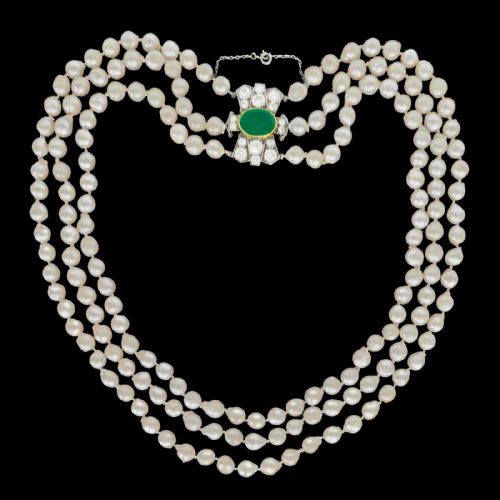


Antique Gem Necklace
An antique gem necklace brings centuries of craft to the throat, uniting coloured stones and precious metals from Georgian days to mid-century modernism.
Antique Gem Necklace
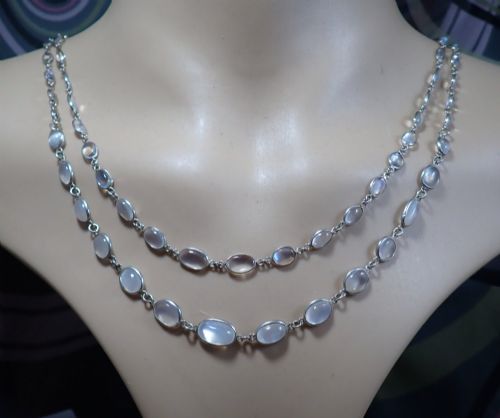
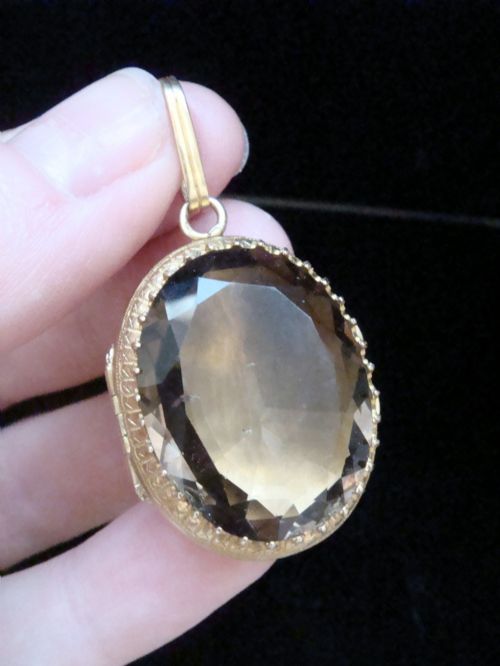
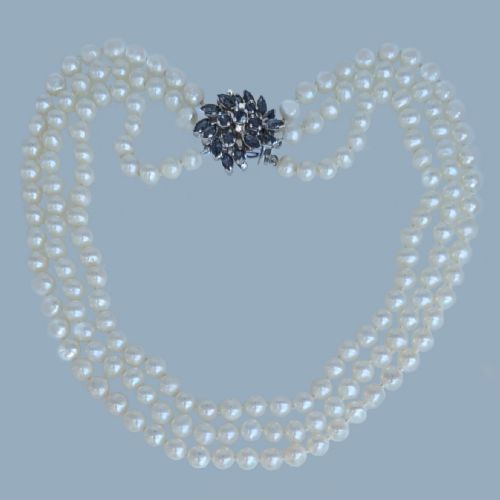
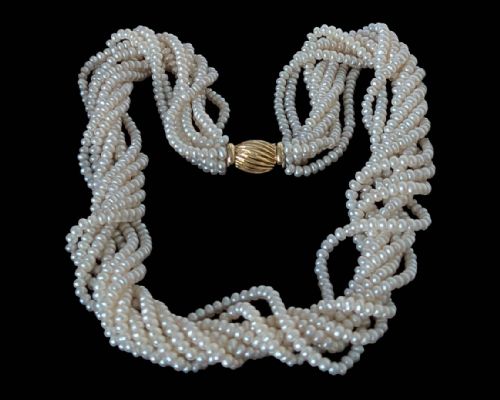
An antique gem necklace spans styles from early Georgian pieces through Victorian and Edwardian work to Art Deco designs and the mid-century. Buyers encounter varied formats here, ranging from pearl strands with jewelled clasps to silver and gold pendants set with stones.
The materials recorded in these listings include gold, silver, platinum, pearl, seed pearl, cultured pearl, and enamel alongside stones like amethyst, citrine, peridot, moonstone, sapphire, ruby, emerald, topaz, and diamond. Pieces often reflect specific aesthetics such as Arts and Crafts or Renaissance Revival.
Forms include flexible bead strands, lockets, crosses, and pendant necklaces. The selection draws on periods from the nineteenth century up to the nineteen-fifties, offering a cross-section of historical jewellery design.
How they were made
Metals such as yellow gold, white gold, silver, and platinum form the structures of these necklaces, shaped into settings, clasps, and chains. Goldsmiths and silversmiths worked precious metals by hand, often combining gold and silver in earlier periods to alter how gemstones caught the light.
Gemstones were cut, foiled, or polished before being set in bezels, collets, or claw mounts. Enamel work and delicate seed pearl stringing add intricate detail to many of the pendant designs found across these eras.
Antique Gem Necklace Retail Price Guide 2026
Typical asking prices for gem necklace among the pieces listed under this phrase on Sellingantiques today, from the lower quarter to the upper quarter. They describe what is for sale here now, not the wider market.
One double-sided pendant functions as a miniature flower vase in solid yellow gold, holding carved sapphire, ruby, and emerald blooms.
What varies in quality
The standard of craftsmanship shows in the precision of the metalwork, the security of stone settings, and the harmony of the design. Master jewellers balanced weight and delicacy, ensuring that clasps, linkages, and pendant mounts remained robust yet refined.
Material selection divides categories of work, from simple paste stones and cultured pearls to unheated natural sapphires and precious topazes set in high-carat gold or platinum. The presence of original gem reports and assay documentation adds provenance and confirms material authenticity.
Dorrie Nossiter
The Antique Gem Necklace Glossary
- Pendant
- A hanging ornament suspended from a chain or collar. These pieces often feature central gems like peridot or amethyst.
- Seed pearl
- Very small natural or cultured pearls, often drilled and threaded onto silk or wire. They form delicate floral and geometric patterns in Edwardian and Victorian pieces.
- Paste
- Hand-cut glass used as a gemstone substitute in historic jewellery. Georgian paste pieces show high technical skill and distinct brilliance.
- Collet
- A band of metal that holds a gemstone in place by its girdle. It forms a neat, protective rim around the stone.
- Assay office
- An official body that tests the purity of precious metals and stamps them with hallmarks. These marks verify the metal standard.
Antique Gem Necklace: Frequently Asked Questions
How do I care for pearl necklaces?
Pearls are organic gems that require gentle handling and should be stored away from hard metals to avoid scratching.
Wipe them with a soft cloth after wearing and keep them away from perfumes, cosmetics, and household chemicals.
Can I wear an antique pendant daily?
Many sturdy gold and silver pieces tolerate regular wear if handled with reasonable care. Fragile settings, antique pastes, or seed pearl strings benefit from more occasional outings.
Checking the security of the chain and clasp helps prevent accidental loss during wear.
How do I identify the period?
Stylistic clues such as geometric Art Deco lines, heavy Victorian goldwork, or Georgian foiled settings indicate the era of manufacture. Hallmarks and assay marks provide definitive chronological evidence.
Comparing the mounting techniques and gemstone cuts also clarifies the historical context.
What is foiled gemstone setting?
Foiling involves placing a thin sheet of coloured metal foil behind a stone within a closed-back setting to enhance its brilliance and hue. This technique is particularly common in Georgian jewellery.
It requires protective settings to prevent moisture from damaging the delicate foil underneath.