






Antique Gaming Counters
Antique gaming counters are small objects used to keep score in parlour games, and you want them for the tactile pleasure of period play.
Antique Gaming Counters
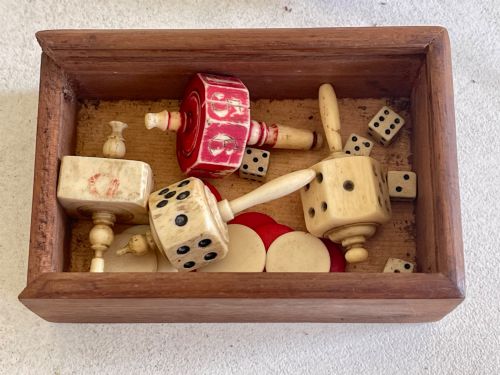
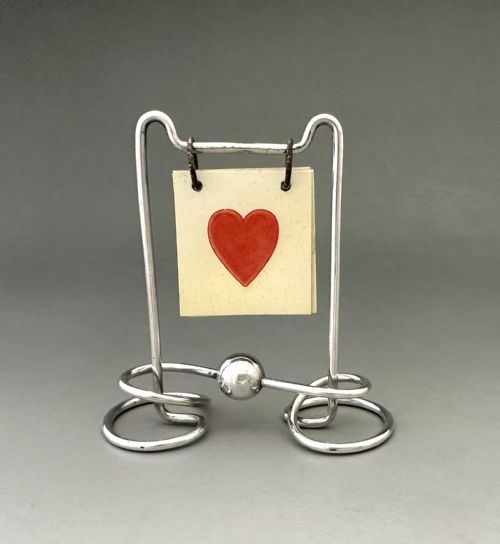
When you search for antique gaming counters, you encounter a variety of small objects designed for past pastimes. The selection includes bone teetotums, porcelain whist counters, ceramic tokens and oversized counters.
Most examples date from the nineteenth century, ranging from Georgian pieces through to Edwardian sets. You will find them housed in original leather boxes or carved wooden containers.
How they were made
Materials span carved bone, boxwood, ebony, porcelain, ceramic, shagreen and stag horn. Artisans shaped these substances by hand for domestic card and board games.
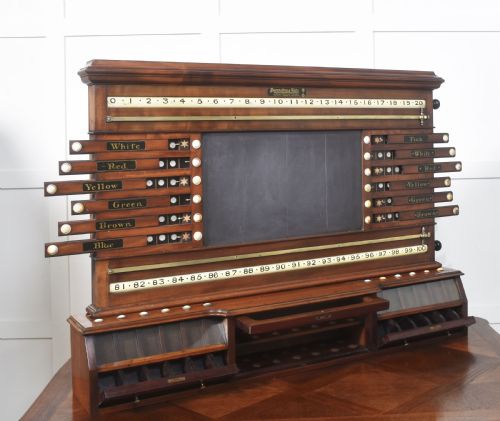
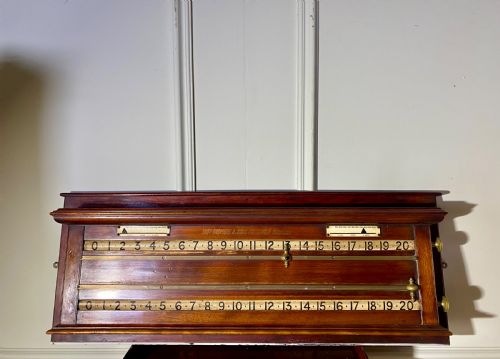
Wooden items employ mahogany, walnut and oak, often paired with brass fixtures or leather storage boxes.
Some nineteenth century prisoners carved intricate spinning tops from bone during wartime captivity.
What varies in quality
Quality rests on the fineness of the carving and the preservation of the original materials, such as intact bone surfaces or smooth wood finishes. Complete sets housed in their proper leather or carved boxes hold greater distinction than loose tokens.
The choice of medium also dictates the character of the piece, from simple ceramic counters to intricately turned boxwood and ebony draughts.
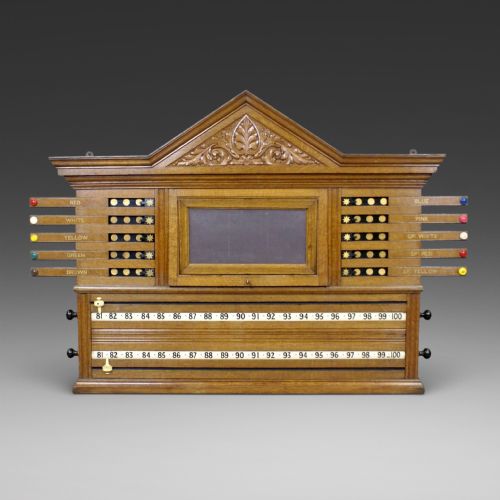
Orme and Sons Manchester·Cox and Yeman London
The Antique Gaming Counters Glossary
- Teetotum
- A small spinning top used in gambling and board games. These bone examples date from the nineteenth century.
- Whist
- A traditional card game popular in the nineteenth century. Players used dedicated porcelain counters and boxes.
- Cribbage board
- A board with tracks of holes used to score the card game cribbage. They appear in mahogany, walnut and horn.
- Shagreen
- Undyed sharkskin or rayskin used to cover luxury boxes. It provides a distinct textured surface for poker chip containers.
Antique Gaming Counters: Frequently Asked Questions
How were gaming counters used?
Players used them to keep tally during card games like whist or cribbage, and board games such as backgammon.
They served both a practical scoring purpose and functioned as decorative elements on the table.
How do I date antique counters?
Dating relies on the material used, the style of the storage box and any maker marks present.
Nineteenth century pieces often show distinct hand carving and fit into period leather or wooden cases.
How should I care for them?
Keep wooden boxes and bone counters away from direct sunlight and excessive moisture to preserve the material.
Store them in stable room conditions and handle delicate porcelain or shagreen surfaces with care.