




Antique Game Oil Painting
An antique game oil painting captures the historic pursuit of sport and the rich still-life tradition on canvas.
Antique Game Oil Painting
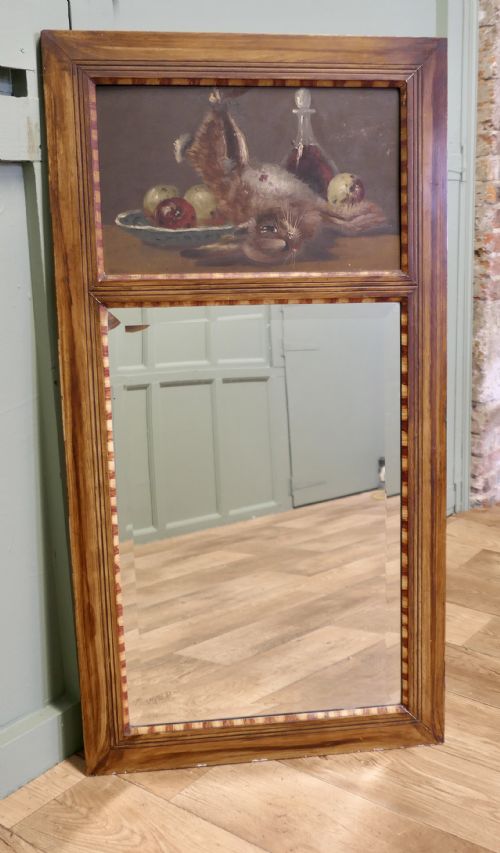
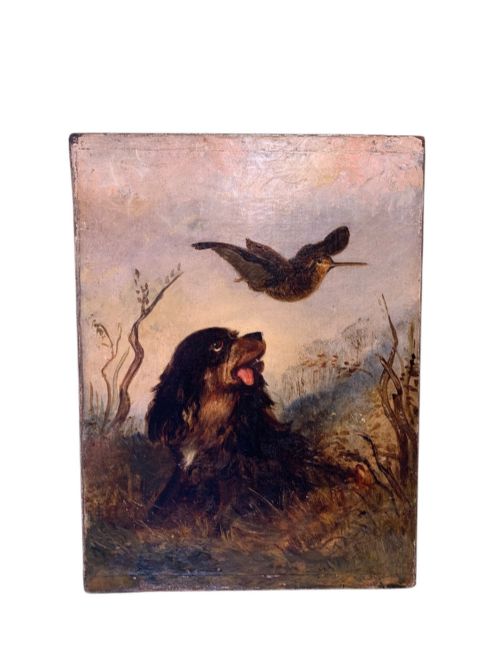
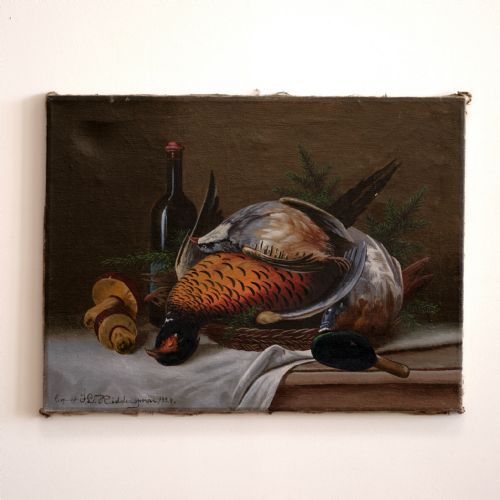
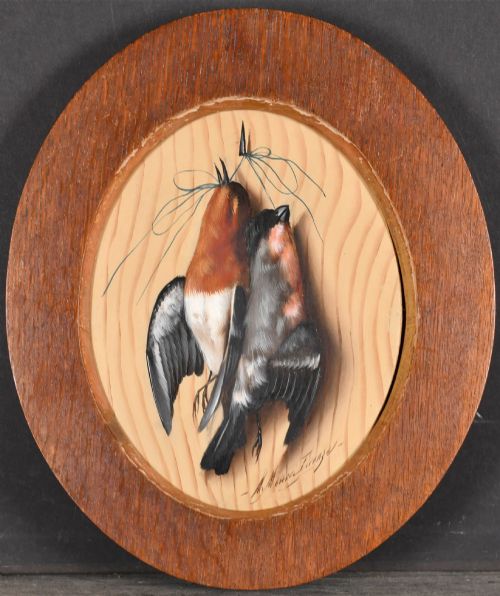
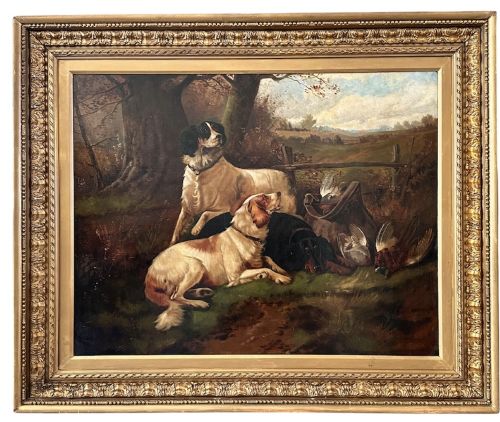
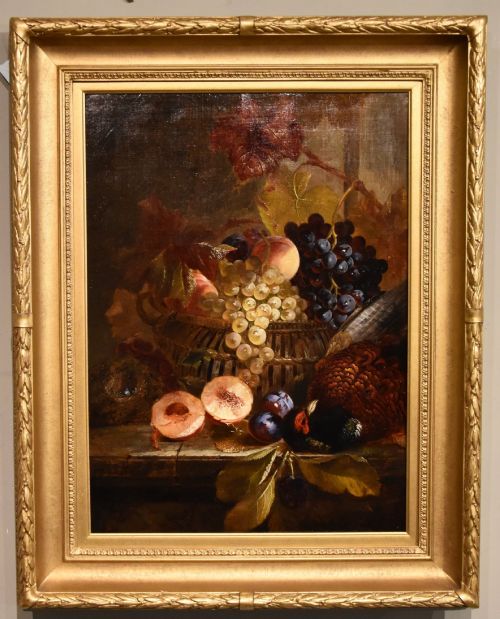
When you search for an antique game oil painting, you encounter works spanning from the eighteenth century through to the mid-twentieth century, featuring subjects such as sporting dogs, game birds, larder scenes, and human pastimes like card games. The nineteenth century yields the highest concentration of these works, alongside Victorian sporting art and Dutch school influences.
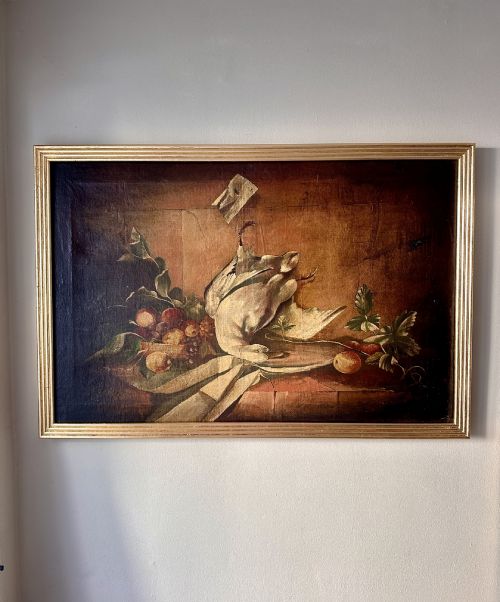
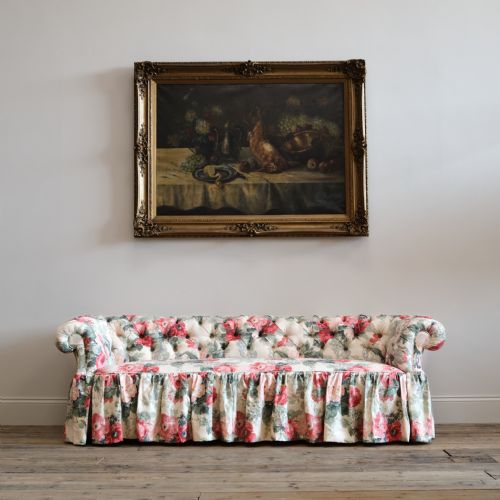
The compositions divide broadly between dead game still lifes depicting pheasants, woodcocks, rabbits, and fish, and narrative genre scenes involving hunting dogs or people playing cards. Canvases range from intimate studies to large, imposing formats framed in wood or giltwood.
Materials and Construction
These works are executed primarily in oil paint applied to stretched canvas, though certain pieces employ wood panels or oak panels as a stable base.
Frames frequently utilise carved wood, giltwood, and gold leaf to complement the rich tones of the painted surfaces.
Monkeys and songbirds occasionally share the canvas with traditional game birds in these historic interiors.
Assessing Quality and Execution
Quality rests heavily on the anatomical precision of animals, birds, and figures, alongside the handling of light and texture in fur, feathers, and plumage. Works by named artists or established continental and British schools demonstrate superior draftsmanship and depth compared to anonymous student pieces.
The condition of the original paint layer and the preservation of the supporting canvas or wood panel influence the integrity of the piece over centuries.
Michelangelo Meucci·John Sargent Noble·William Henry Ward·Johann Hamza·Benjamin Blake·Thomas Blinks·Marcel Brunery·Robert Cleminson·Stephen Elmer·Emile Lecomte·Hermann Weiß·Francis Sydney Muschamp·Frank Moss Bennett·Abel Hold·Louisa M Bancroft
The Antique Game Oil Painting Glossary
- Canvas
- A heavy woven fabric used as a surface for oil painting, typically stretched over a wooden frame. It provides a flexible and durable ground for brushwork.
- Giltwood
- Wood that has been coated with a thin layer of gold leaf or gilt powder. This finish is commonly found on traditional frames surrounding period paintings.
- Still Life
- A painting featuring inanimate subject matter, such as dead game, fruit, or larder items. These compositions emphasise form, texture, and light.
- Genre Painting
- A work depicting scenes from everyday life, ordinary people, or social pastimes like card games. It contrasts with historical or portrait painting.
- Trumeau
- An architectural mirror or panel set above a mantelpiece or door, often incorporating an oil painting within its upper section.
Antique Game Oil Painting: Frequently Asked Questions
What subjects appear in these paintings?
The subjects divide between sporting dogs with game, still lifes of dead birds and fish, and human figures engaged in card games.
Paintings range from detailed depictions of woodcocks and rabbits to broader larder arrangements.
How do I date an oil painting?
Dating relies on stylistic evidence, costumes in genre scenes, and framing techniques alongside recorded artist signatures.
Nineteenth-century examples frequently exhibit Victorian sporting themes, while eighteenth-century works show Dutch school influences.
Where should I hang a game painting?
These works suit traditional dining rooms, libraries, or studies where their rich earth tones and sporting subjects harmonize with wood furnishings.
Direct sunlight and damp environments should be avoided to protect the oil paint and canvas.
What is a larder scene?
A larder scene depicts harvested game, fish, and fruit arranged as if stored in a pantry or kitchen.
This artistic tradition highlights the abundance of the hunt and the textures of feathers and fur.