

Antique Furniture Trunk
An antique furniture trunk offers sturdy timber construction and centuries of domestic utility, spanning rugged regional oak coffers and brass-bound military chests.
Antique Furniture Trunk
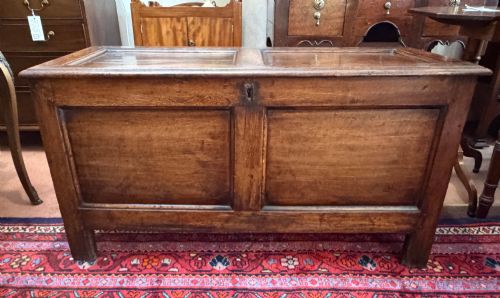
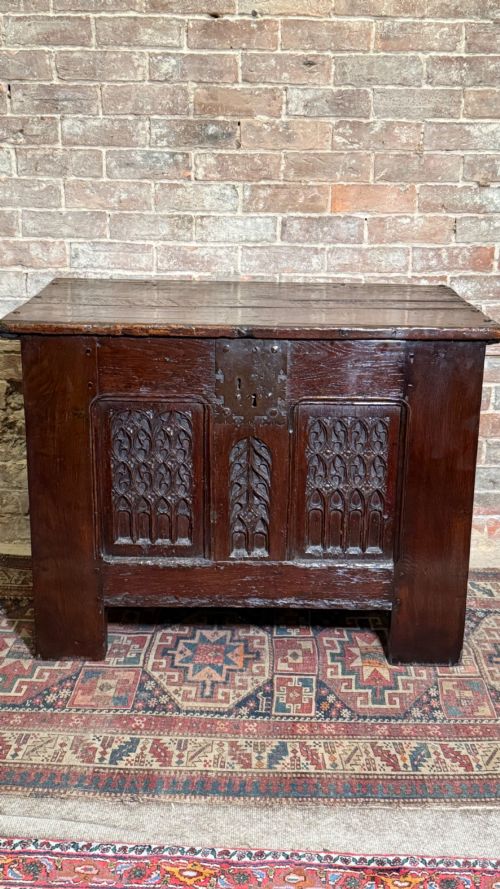
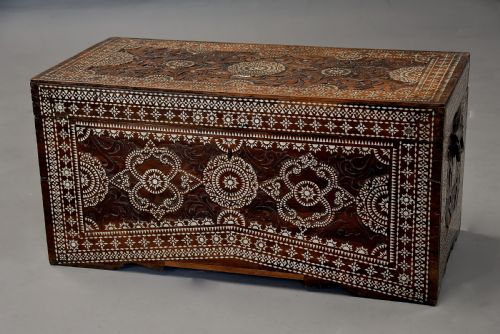
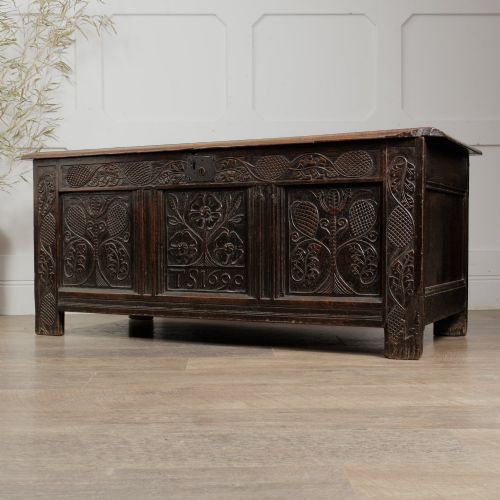
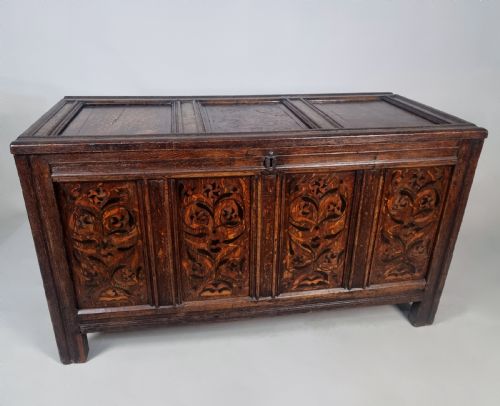
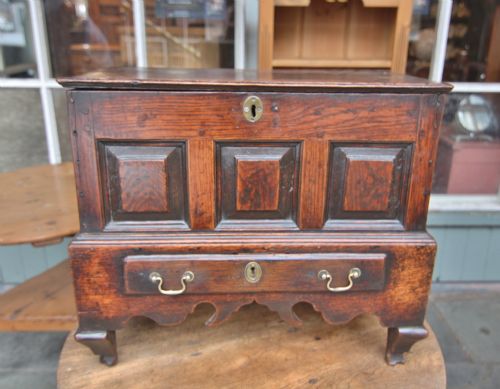
When you examine an antique furniture trunk, you encounter a lineage of heavy storage spanning sixteenth-century boarded coffers to nineteenth-century campaign pieces. The forms on this page include mule chests fitted with lower drawers, coffer bach containers from Wales, and camphor wood trunks intended for travel.
The materials reflect domestic utility and colonial movement. Oak dominates the seventeenth-century examples, while pine, elm, teak, and hardwood appear across the later periods alongside iron and brass hardware.
Materials and Construction
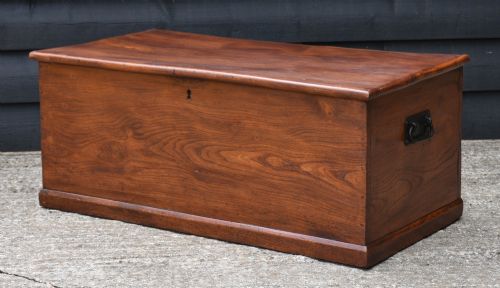
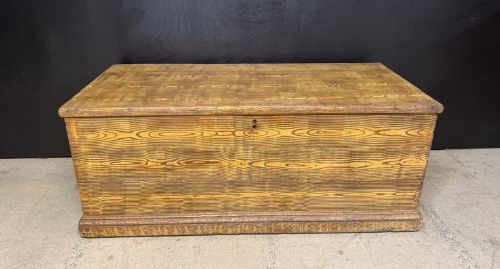
Carpenters built these pieces using solid timbers like oak, pine, and elm, often joining panels with traditional pegged mortise and tenon joints or simple six-plank construction. Early surfaces rely on natural wax or polish to protect the grain, while certain regional examples incorporate marquetry inlay or painted finishes.
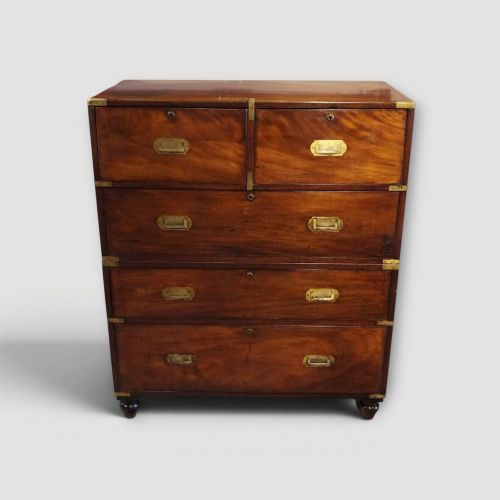
Travel pieces such as campaign chests utilise dense hardwoods like teak and camphor wood, reinforced with brass corners and recessed carrying handles for transit. Iron hinges, locks, and strapping secure the lids and add structural rigidity to domestic storage boxes.
Several trunks hail from remote Welsh peninsulas, whispering secrets of rural family life long before modern wardrobes existed.
Evaluating Quality
Quality rests upon the integrity of the timber, the crispness of any carved or inlaid decoration, and the originality of the hardware. Pieces retaining their original hinges, locks, and baseboards command greater interest than those altered or rebuilt over generations.
Construction details distinguish regional vernacular work from standard workshop production. Tight joints, well-figured grain, and untouched surface patination separate superior examples from heavily restored or replaced elements.
The Antique Furniture Trunk Glossary
- Coffer
- A heavy wooden box with a hinged lid, traditionally used for storing valuables and documents. Many seventeenth-century examples display panelled construction and carved frontboards.
- Mule chest
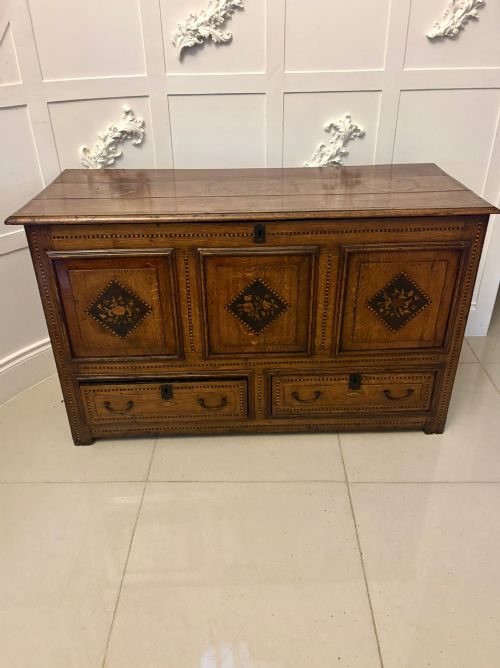
- A storage chest featuring one or more drawers built into the base beneath the main compartment. This form bridges the traditional coffer and the modern chest of drawers.
- Coffer bach
- A small Welsh box on legs or feet, translating literally as little coffer. These miniature chests served domestic storage or presentation purposes in Welsh households.
- Campaign chest
- Modular furniture designed for military officers on the move, split into sections with brass bindings and inset handles. The timber is chosen to withstand harsh transport conditions.
- Marquetry
- Decorative veneer work using contrasting wood types to create intricate floral or geometric patterns. It appears on select seventeenth-century oak coffers.
Antique Furniture Trunk: Frequently Asked Questions
What is an antique furniture trunk?
An antique furniture trunk is a rigid storage container made from solid timbers such as oak, pine, or camphor wood. These pieces range from early boarded coffers to brass-bound military chests used for travel.
They served generations as secure places to keep linens, documents, and personal belongings. Today, they function as coffee tables, blanket boxes, and focal storage points in traditional or modern interiors.
How do I date an oak coffer?
Dating relies on construction methods, timber selection, and decorative motifs. Sixteenth and seventeenth-century examples typically feature hand-riven oak panels held together by pegged joints rather than modern iron nails.
Changes in moulding profiles and the presence of dated inscriptions or specific regional carving styles help narrow down the decade of manufacture. Later Victorian and Edwardian pieces show more mechanised sawing and lighter internal framing.
What is a mule chest?
A mule chest combines a traditional lift-top storage compartment with one or more pull-out drawers beneath. This hybrid form emerged when makers realised bottom drawers provided easier access without disturbing items stacked inside the main well.
They appear frequently in eighteenth-century regional oak and pine workshops. The lower drawers often feature small brass pulls and simple dovetail joints.
How should I care for a wooden trunk?
Maintain timber trunks by keeping them away from direct heat sources and dramatic humidity swings. Sudden temperature changes cause old boards to shrink, warp, or split.
Apply a traditional beeswax polish occasionally to nourish dry surfaces and maintain the natural lustre. Avoid synthetic sprays that leave silicone residues on historic finishes.
What is a campaign trunk?
A campaign trunk is a utilitarian transport case built in sections for military officers on active service. These pieces utilise dense hardwoods like teak or camphor wood to resist tropical climates.
Brass corners, straps, and flush-fitting handles protect the edges and allow the sections to stack securely during transit. They represent a precise intersection of utilitarian engineering and cabinetmaking.