

Antique Furniture Box
An antique furniture box gathers centuries of domestic storage, from 17th-century strong boxes to Victorian campaign writing slopes.
Antique Furniture Box
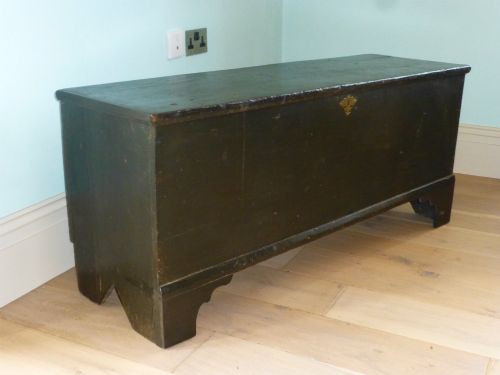
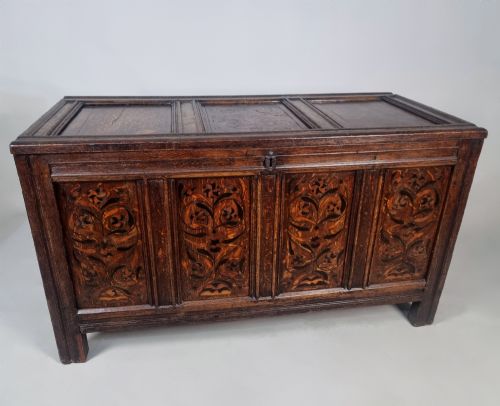
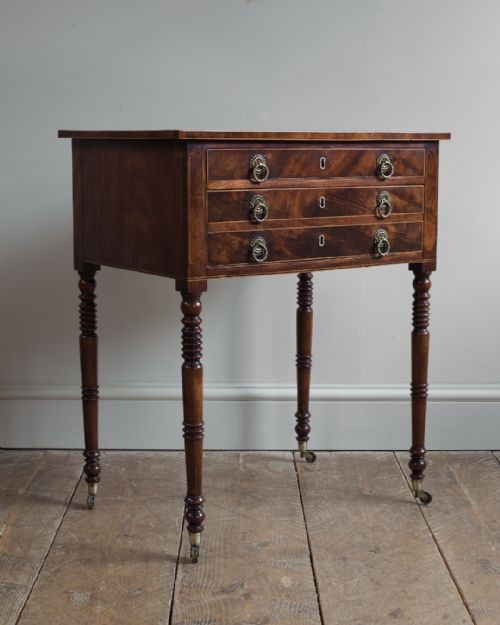
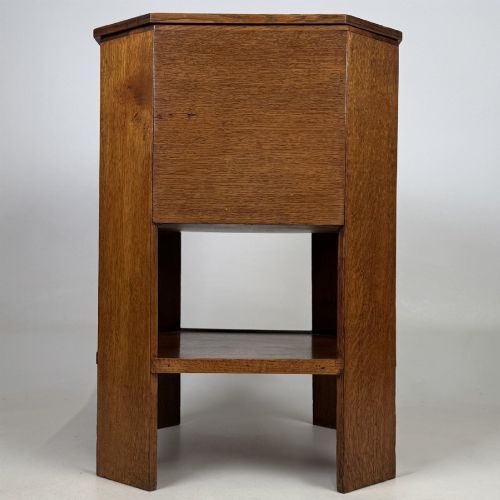
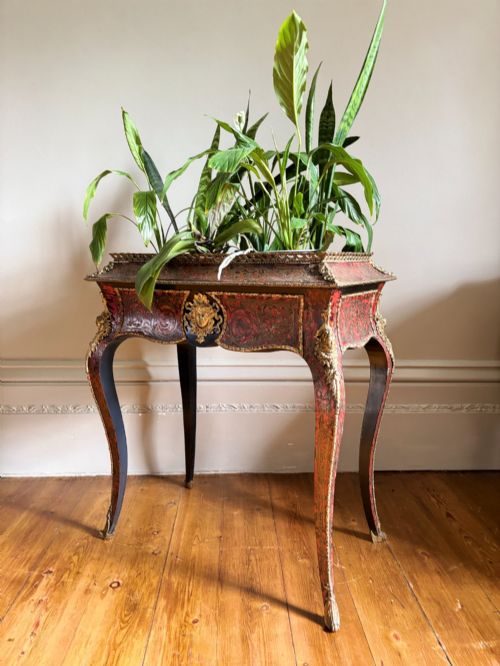
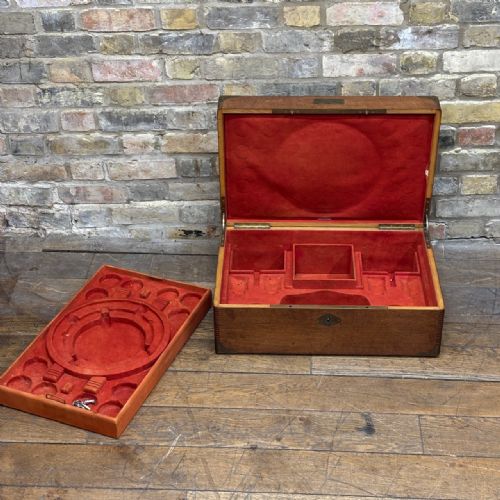
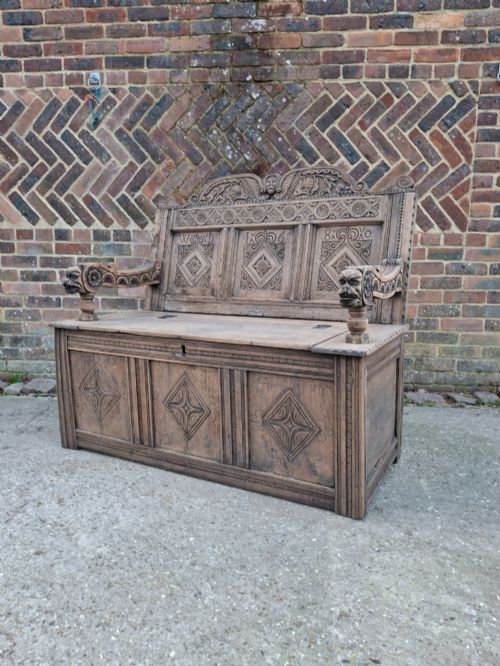
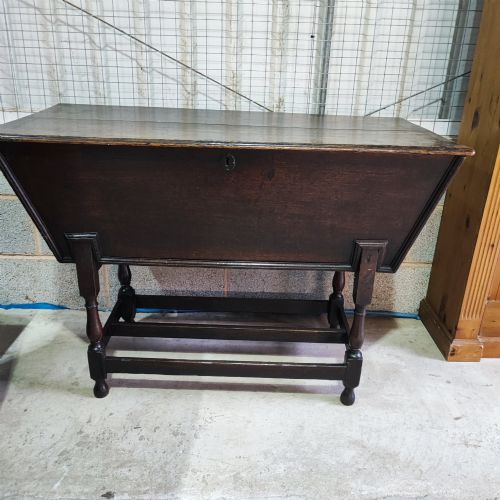
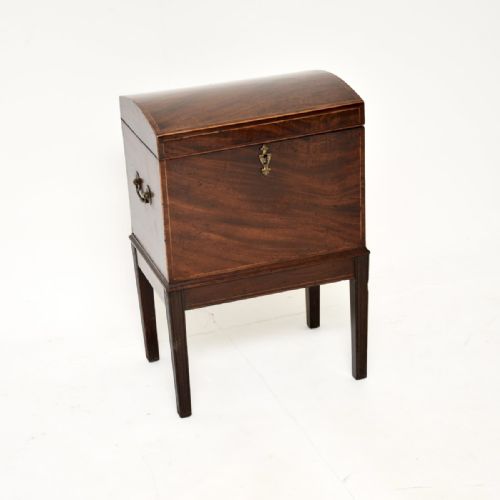
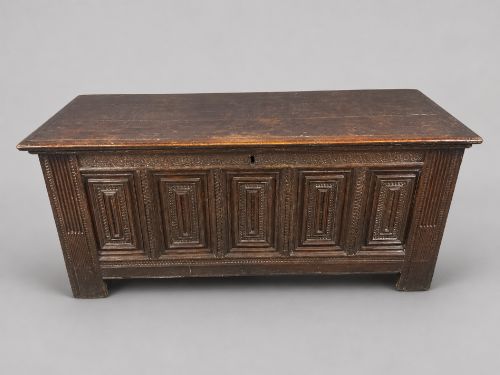
An antique furniture box encompasses a broad spectrum of historical storage vessels and small case pieces spanning the 17th to the early 20th century. Buyers searching this phrase most frequently encounter substantial oak coffers, elm mule chests, and miniature mahogany chests of drawers alongside campaign writing boxes and occasional work tables.
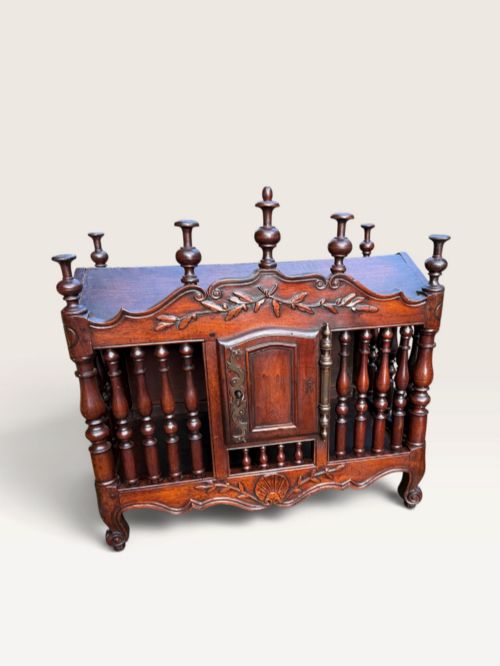
The assortment reflects diverse domestic needs across periods, ranging from heavy panelled oak storage chests built in the 17th century to refined walnut and mahogany writing furniture from the Georgian and Victorian eras. Regional pieces, including Welsh and Scottish variations, sit alongside continental examples and Anglo-Indian camphor designs.
Form follows function closely within this category, moving from rigid jointed construction intended for security to decorative occasional pieces incorporating marquetry inlay, brass mounts, and specialised internal compartments.
How they were made
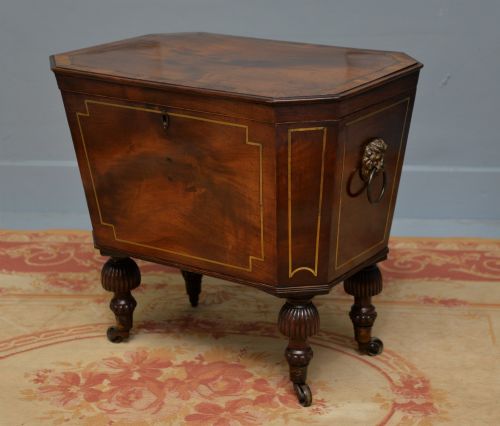
Makers relied heavily on native timbers such as oak, elm, and pine for early provincial pieces, utilising pegged frame-and-panel construction to accommodate seasonal wood movement. Later 18th and 19th-century cabinet makers turned to imported mahogany, burr walnut, and kingwood, applying sophisticated veneering techniques and dovetail joints to drawer construction.
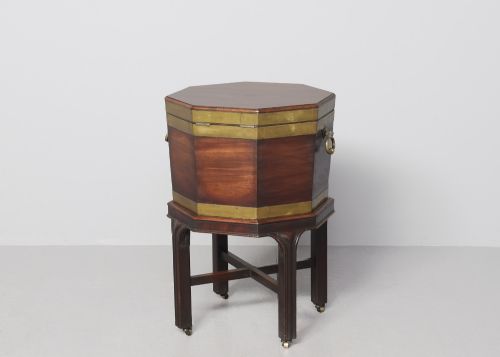
Metal hardware plays an integral structural and decorative role, with heavy wrought iron strap hinges and brass binding securing travel pieces against the rigours of transit. Ormolu mounts and mother-of-pearl inlay frequently punctuate the refined surfaces of late Victorian and Edwardian creations.
Antique Furniture Box Retail Price Guide 2026
Typical asking prices for furniture box among the pieces listed under this phrase on Sellingantiques today, from the lower quarter to the upper quarter. They describe what is for sale here now, not the wider market.
The inventory records oak, mahogany, elm, and burr walnut across centuries ranging from the 16th century through the Edwardian period.
What varies in quality
The standard of timber selection and surface finish determines the relative standing of an antique furniture box. Dense, unblemished quarter-sawn oak boards and richly figured burr walnut veneers demonstrate superior material sourcing compared to utilitarian pine or secondary softwoods.
Execution of decorative detail dictates the upper tier of the range, separating straightforward utilitarian items from finely carved, inlaid, or brass-mounted examples. Original fittings, such as locks, handles, and hinges, preserve historical integrity, while replacement elements alter the balance of the piece.
The Antique Furniture Box Glossary
- Coffer
- A large wooden chest traditionally used for storing valuables, textiles, or documents. Early examples often feature heavy panelled oak construction with hinged lids.
- Mule chest
- A storage chest featuring one or more drawers built into the base beneath the main compartment. This form bridges the evolution between simple blanket boxes and chest of drawers.
- Apprentice piece
- A miniature item of furniture created by a craftsman to demonstrate mastery of skills required to join a trade guild. These often take the form of small-scale mahogany chests of drawers.
- Campaign box
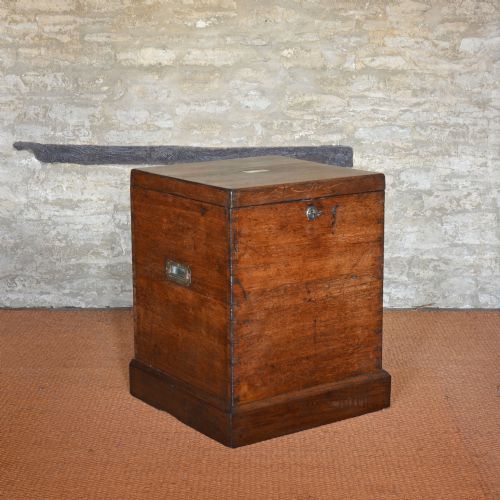
- Portable furniture designed for military officers on active service, typically fitted with flush brass handles, corner brackets, and folding elements. Camphor wood was frequently utilised for its insect-repelling properties.
- Purdonium
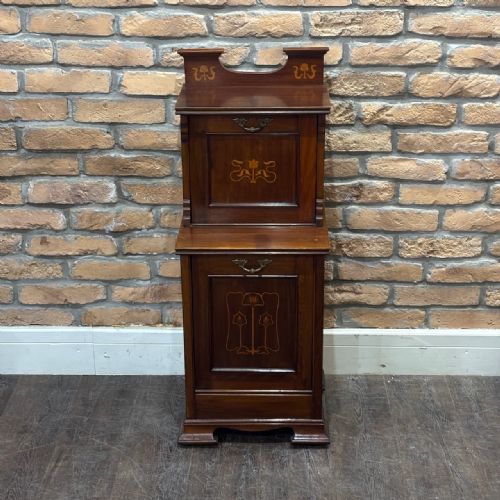
- A specialised coal box or cabinet popular during the late 19th and early 20th centuries. These items usually incorporate a sloping front and a metal interior liner.
Antique Furniture Box: Frequently Asked Questions
How do I date an oak coffer?
Dating relies upon observing construction methods, tool marks, and regional stylistic shifts evident in the wood panels.
Seventeenth-century examples typically employ hand-split oak boards assembled with pegged mortise and tenon joints, whereas later reproductions often display mechanical saw marks.
What was a campaign box used for?
Campaign boxes served as portable desks and storage chests for military officers during travel and active deployment.
Built to withstand rough handling, they feature protective brass corners, flush hardware, and compartmentalised interiors for writing materials.
Where were mule chests made?
Mule chests were produced primarily by regional cabinet makers and country carpenters across Britain during the 17th and 18th centuries.
Local timber availability dictated the choice of wood, leading to distinct regional variations in elm, oak, and pine.