


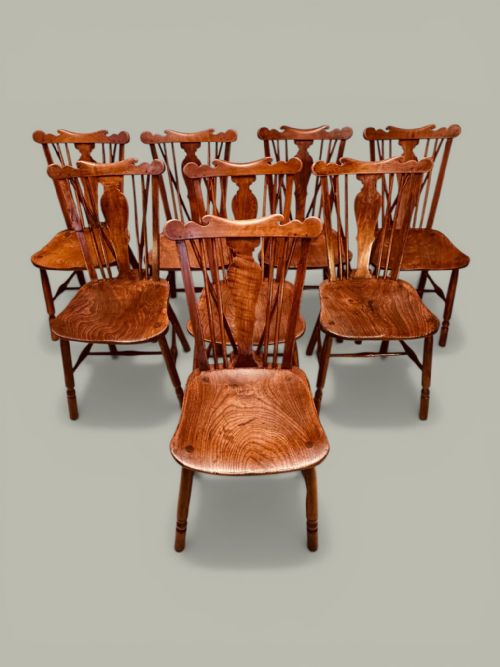


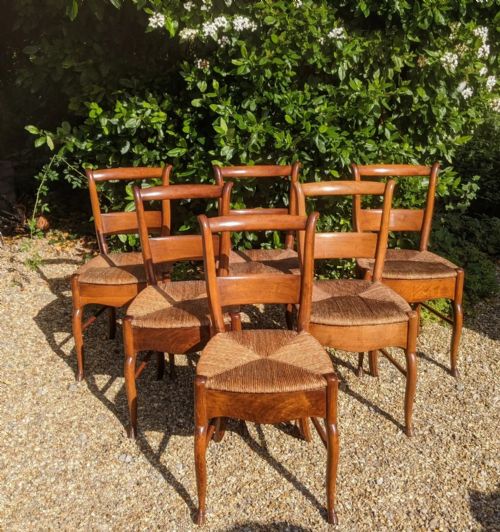

Antique Fruitwood Seating
Antique fruitwood seating brings warm patina and honest country character into a room, offering robust dining chairs, armchairs, and settles shaped from rich timber.
Antique Fruitwood Seating
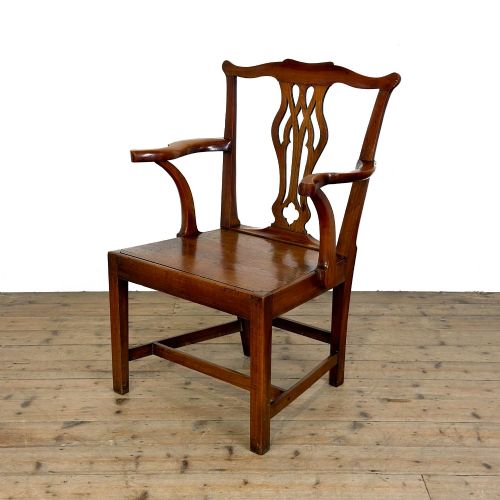
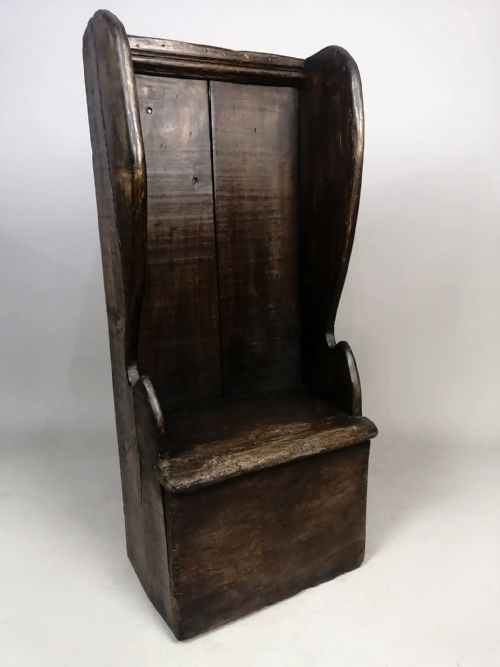
Antique fruitwood seating encompasses sturdy chairs, benches, and settees shaped from native timber across the seventeenth, eighteenth, and nineteenth centuries. These pieces emerge in styles ranging from formal Georgian designs and French Provincial armchairs to rustic English country windsors and seventeenth century vernacular settles.
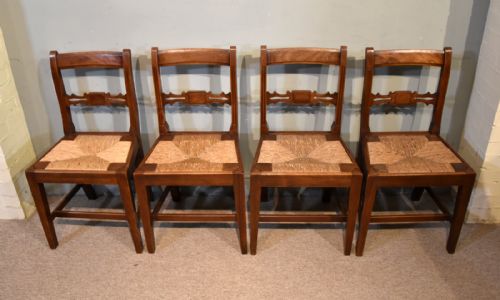
Buyers encountering this category most frequently meet dining chairs, side chairs, and large farmhouse armchairs shaped from fruitwood often combined with elm. Sets of dining chairs from the nineteenth century appear alongside individual carver chairs and occasional benches.
Origins stretch across English country workshops, French provincial regions, and Austrian makers. The forms serve practical domestic functions, spanning simple rush seat chairs to sophisticated Chippendale style armchairs.
What varies in quality
Quality rests in the crispness of turned members, the integrity of the original timber frame, and the balance of regional proportions. Superior examples retain their early surface patination and tight joinery without excessive replacement components.
The sophistication of the design differentiates standard farmhouse seating from refined urban interpretations like Hepplewhite or Chippendale style frames. Surviving sets of matching chairs demonstrate higher initial investment than individual stray examples.
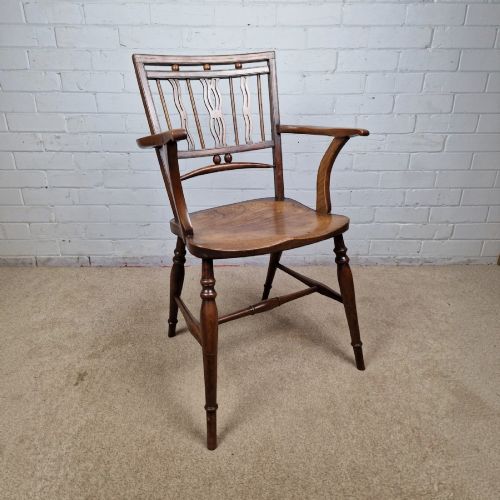
Object forms range from French Provincial dining pairs and comb back side chairs to Austrian settle benches.
The Antique Fruitwood Seating Glossary
- Fruitwood
- Timber sourced from fruit-bearing trees such as apple, pear, or cherry, prized for its dense grain and warm colour. It develops a rich patination over centuries of handling.
- Comb back
- A Windsor chair variation where the vertical spindles extend through the arm rail to form a low comb crest across the top. This construction provides robust back support.
- Settle
- A wooden bench featuring a high solid back to block draughts, often incorporating enclosed storage beneath the seat. These communal seats stood near hearths in early domestic interiors.
- Rush seat
- A seating surface woven from dried marsh rushes twisted into cords. Skilled craftsmen plait these materials tightly around the chair rails to create a resilient, textured pad.
Antique Fruitwood Seating: Frequently Asked Questions
How do I date an antique fruitwood chair?
Dating relies on examining construction techniques, tool marks, and timber preparation methods visible on the underside of the frame. Regional vernacular styles and turning profiles also provide clues to the period of manufacture.
Comparing the joinery against documented examples helps confirm whether a piece belongs to the seventeenth, eighteenth, or nineteenth century.
Are fruitwood chairs strong enough for daily use?
Fruitwood timber is dense and durable, making these chairs structurally sound for regular sitting when properly maintained. Traditional pegged joinery distributes weight evenly across the frame.
Periodic checks of the legs and stretcher joints ensure the furniture remains stable in modern dining settings.
What is the difference between a side chair and an armchair?
Side chairs are built without arms to allow multiple seats to tuck neatly around a dining table or line a hallway wall. Armchairs feature supportive elbow rests designed for comfort and seated relaxation.
Both forms utilise matching timber and turning details when created as part of a larger dining set.
How should I care for fruitwood furniture?
Preserving fruitwood surfaces requires maintaining stable indoor humidity levels away from direct heat sources and strong sunlight. Regular dusting with a soft cloth protects the historic polish and natural wax finish.
Harsh chemical cleaners should be avoided to prevent stripping the accumulated patina developed over centuries.