
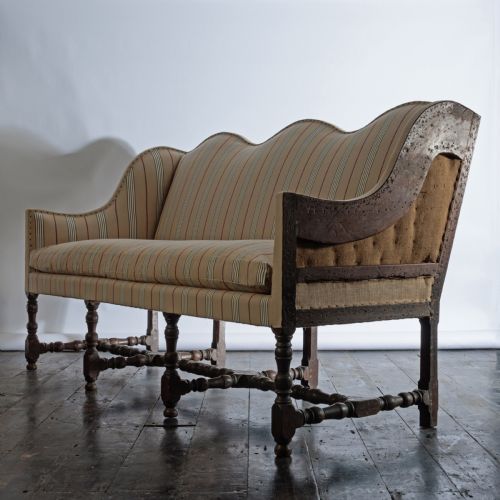


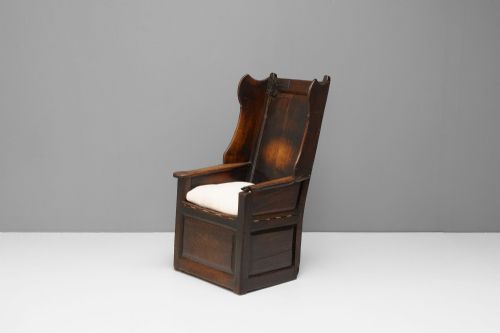


Antique Winged Settle
An antique winged settle offers substantial high-backed timber seating designed to block draughts in cold rooms.
Antique Winged Settle
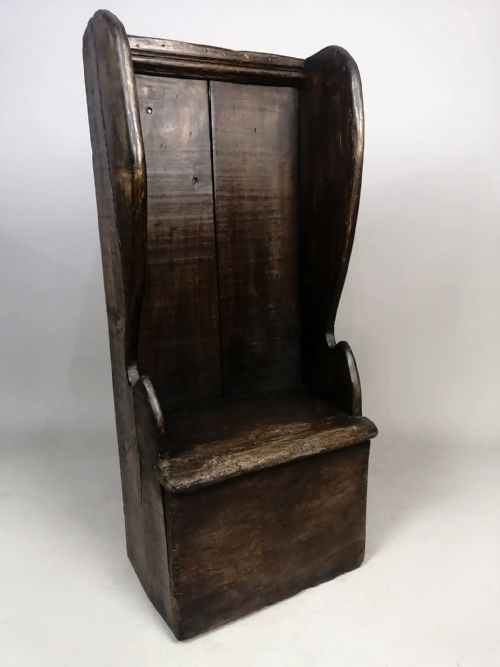
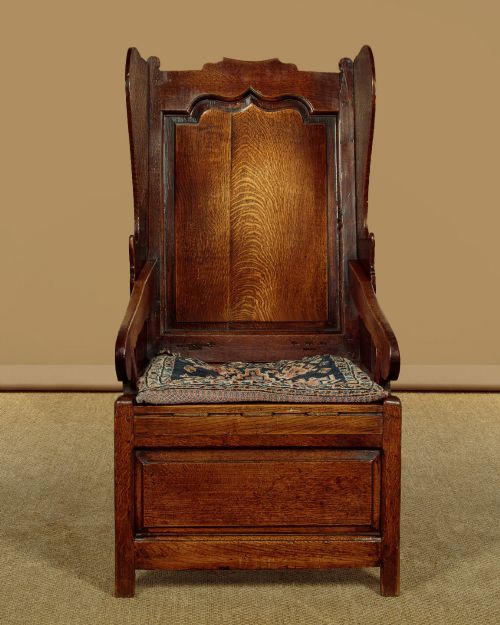
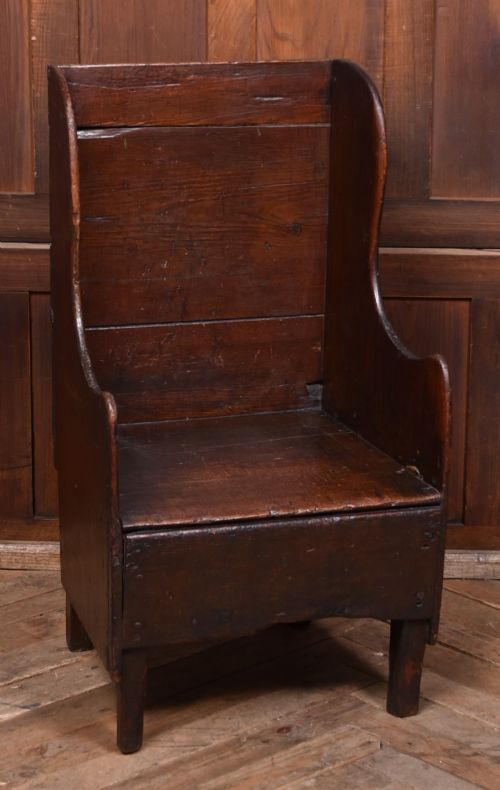
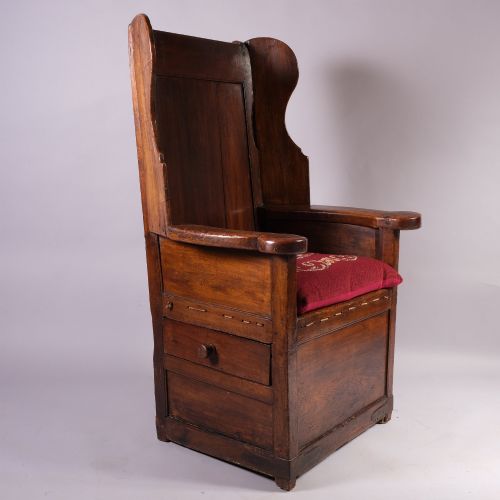
When you search for an antique winged settle, you encounter substantial seating designed to block draughts in historic interiors. These items range from sturdy oak panels to country fruitwood and pine constructions, serving as both benches and architectural barriers against cold air.
The versions most commonly met on this page span the seventeenth, eighteenth, and nineteenth centuries, including regional lambing chairs and panelled barrel designs. Regional vernacular pieces dominate the selection, showing how makers shaped local timber for domestic comfort.
How they were made
Makers constructed these pieces primarily from solid oak, fruitwood, and pine, utilising traditional joinery suited to heavy domestic use. Panels were fitted into grooved frames to allow for seasonal wood movement without splitting.
Additional materials such as brass fittings, fabric, and cotton textile occasionally appear on upholstered variants or related wingback seating. Paint surfaces on tavern examples provide a durable finish applied directly to the timber.
Some early examples were designed to keep shepherds warm during lambing season, proving that furniture could moonlight as livestock architecture.
What varies in quality
The integrity of the timber framing and the preservation of original surfaces dictate the standing of a piece. Earlier seventeenth and eighteenth-century examples exhibit patination and construction methods that differ markedly from later nineteenth-century country iterations.
Proportion and the complexity of the winged or barrel form also influence character. Concave panels and deep wing structures demand greater carpentry skill than straight-backed variants.
Howard & Sons
The Antique Winged Settle Glossary
- Lambing chair
- A wooden armchair featuring high wings designed to shield the occupant from draughts, historically used by shepherds during cold lambing seasons. These forms often incorporate solid panel construction and enclosed bases.
- Settle
- A wooden bench with a high back, solid arms, and frequently a box base beneath the seat for storage. This furniture type predates the widespread use of upholstered sofas in domestic spaces.
- Vernacular
- Objects made by local craftsmen following regional traditions rather than formal academic design rules. These pieces utilise locally available timbers and address specific functional needs.
- Barrel settle
- A curved high-backed seat wrapping around the occupant to completely enclose them from cold air currents. The concave shape requires precise woodworking to join curved panels.
- Ticking
- A tightly woven heavy cotton or linen fabric traditionally used to cover mattress cases and upholstered furniture. This durable material prevents filling materials from escaping.
Antique Winged Settle: Frequently Asked Questions
What is an antique winged settle?
A winged settle is a high-backed wooden bench featuring enclosed sides designed to block cold draughts in historic rooms. These pieces combine the function of a chair and a structural screen.
They appear across the seventeenth, eighteenth, and nineteenth centuries in various regional styles, utilising timbers like oak, pine, and fruitwood.
How were these settles used?
These seats were placed near hearths or in unheated hallways to keep occupants warm by trapping heat from fires within the high wooden wings. The enclosed bases often provided secure storage for household items.
In agricultural settings, variants like lambing chairs served shepherds during vulnerable seasons requiring constant livestock care indoors.
How do I date an antique settle?
Dating relies on examining construction techniques, joinery methods, and timber species visible across the frame. Earlier pieces from the seventeenth century often show hand-riven oak panels and peg joinery.
Later nineteenth-century examples display softer pine or fruitwood construction, sometimes accompanied by painted finishes or simple upholstery.
Where did regional settle styles originate?
Regional styles developed according to available local timbers and specific domestic requirements across different British counties. Lakeland and country workshops adapted standard forms to suit local domestic habits.
Craftmen utilised native woods such as fruitwood and oak to build durable seating tailored to regional interiors.