


Antique Fruit Study
An antique fruit study captures orchards and hedgerows in rich oil or delicate watercolour, bringing enduring natural abundance into a room.
Antique Fruit Study
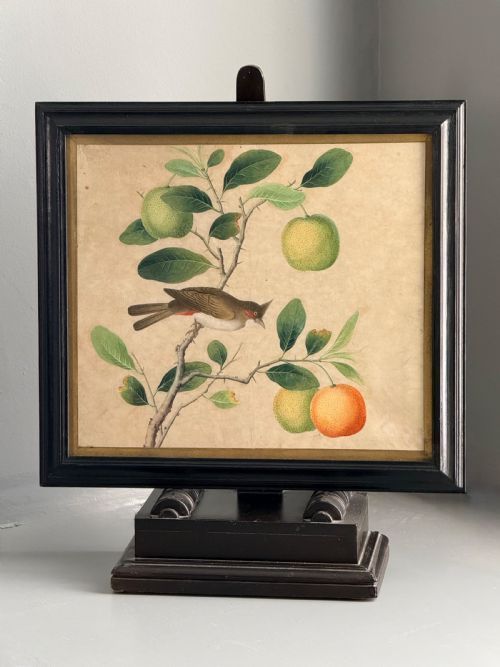
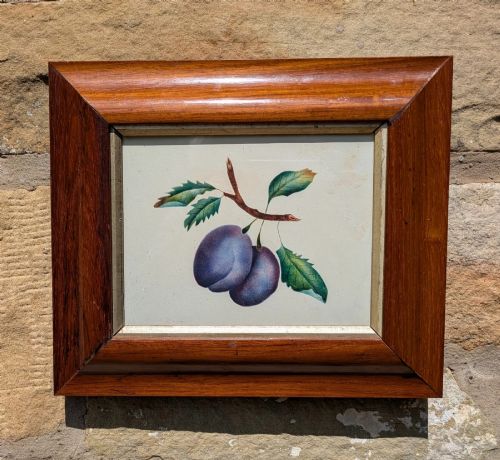
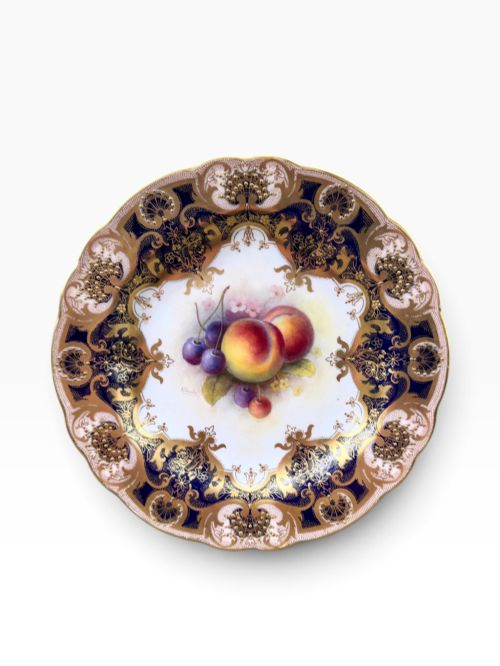
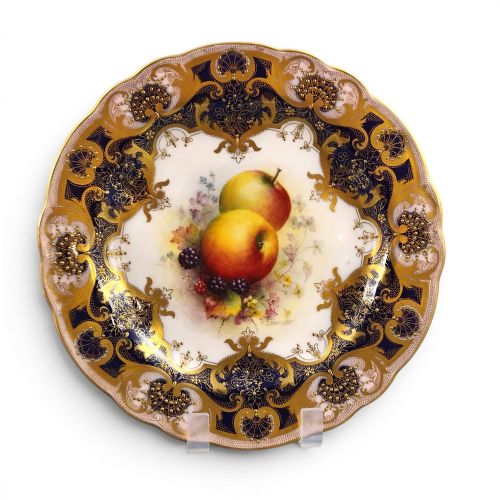
When someone searches for an antique fruit study, they encounter tabletop arrangements of apples, grapes, plums, and berries rendered with botanical precision. These works span the eighteenth, nineteenth, and mid-twentieth centuries, appearing as framed canvases, watercolours on paper, and decorated porcelain cabinet plates.
The material form shifts between centuries, moving from eighteenth-century pith paper and nineteenth-century oil on canvas to twentieth-century porcelain tableware. Cabinet plates from factories like Royal Worcester dominate the later periods, carrying hand-painted fruit compositions within gilt borders.
Framed works lean heavily on Victorian and Edwardian aesthetics, often housed in rosewood or gilt frames. Spanish, Dutch, and English schools each contribute distinct approaches to light and shadow across wooden panels, canvas, and board.
Materials and techniques
Painters relied primarily on oil paint applied to canvas, wood panel, or card, building up the rich, glossy skins of grapes and peaches through careful glazing. Watercolour and gouache appear on paper or pith, demanding swift, precise brushwork to capture the translucent quality of plums and berries.
Ceramic pieces combine porcelain bodies with enamel colours and gold leaf accents, fired repeatedly to fuse the pigments beneath a glossy glaze. Gilt frames in carved wood or composition material finished many of the canvas and watercolour studies, adding weight and reflective warmth to the presentation.
Listings feature works in oil, watercolour, gouache, and enamel across periods from the eighteenth century to the mid-twentieth century.
Judging quality in fruit studies
Quality rests on the draughtsmanship and the artist's command of light, where the best examples render the bloom on a grape and the dewy condensation on a peach with convincing tactile presence. Weaker pieces rely on flat colour and stiff arrangement, lacking the volume and naturalistic fall of light seen in skilled hands.
On porcelain, the crispness of the enamel painting and the richness of the gilding separate standard factory output from master decorator pieces. The handling of background shadow also dictates success, as depth and atmosphere prevent a composition from appearing static or purely illustrative.
Albert Shuck·Richard Sebright·P Love·Thomas Hooper·John Robertson Reid·JOHN SHERRIN·Ricketts·Evelyn Chester·Oliver Clare
The Antique Fruit Study Glossary
- Cabinet plate
- A porcelain plate intended for display in a cabinet or on a wall rather than for dining. These often feature elaborate hand-painted fruit scenes and heavy gilt edging.
- Gouache
- An opaque water-based medium that dries to a matte finish, allowing for solid blocks of vibrant colour and fine detail on paper.
- Pith paper
- A delicate material prepared from the pith of the Tetrapanax papyrifer plant, used in the eighteenth century for detailed botanical and fruit watercolours.
- Pot pourri vase
- A lidded ceramic vessel pierced to release the scent of dried herbs and flowers, frequently decorated with painted fruit studies.
- Still life
- An artwork depicting inanimate subject matter, typically commonplace objects such as baskets of fruit, flowers, and vessels.
Antique Fruit Study: Frequently Asked Questions
How should I hang an oil painting?
Keep oil paintings away from direct sunlight and damp walls to protect the canvas and wood frame from environmental stress.
Ensure sturdy picture hooks are anchored properly to support the weight of heavy gilt frames without damaging plaster.
How do I care for watercolours?
Watercolours on paper or pith require framing behind glass with acid-free mounts to prevent fading and paper degradation.
Position these works away from bright windows and humid spaces like kitchens to preserve the fragile pigments.
What defines Spanish school still life?
Spanish school still life works often embrace dramatic contrasts of light and shadow, drawing on historic traditions of naturalism.
These compositions focus intensely on the textures of fruit skins, earthenware, and reflective surfaces against dark backgrounds.