



Antique Fruit Print
An antique fruit print brings the vibrant colour of traditional botanical illustration and still life directly to your walls.
Antique Fruit Print
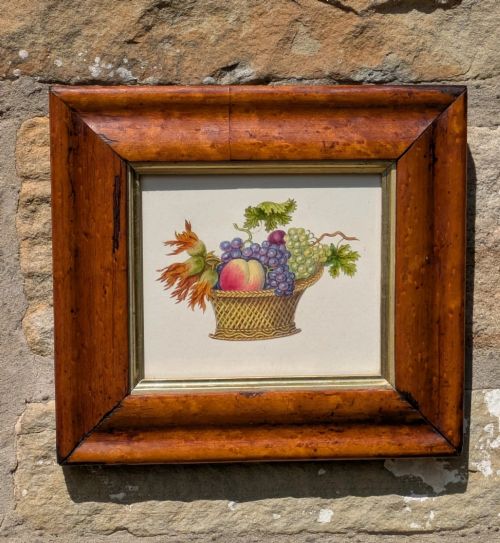
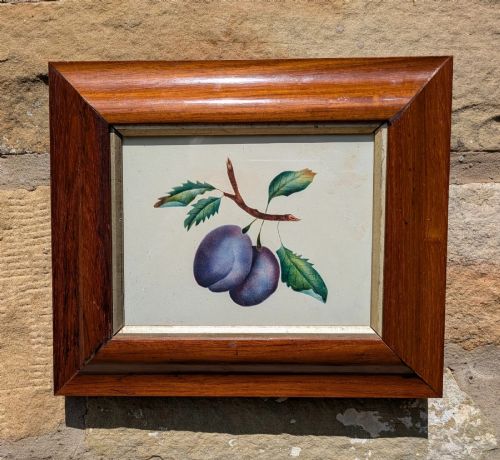
When you search for an antique fruit print, you encounter a range of works focused on botanical subjects, paper works, and watercolours. These pieces capture natural forms with careful attention to detail, spanning periods from the Georgian era through to the Victorian period.
The most common examples on this page include watercolours and decorative paper works framed in period timber. They reflect the historical interest in recording botanical specimens and still life arrangements for domestic interiors.
Materials and construction
The combination of delicate paper supports and traditional framing methods protects the integrity of the artwork. Artisans of the period utilised durable materials to ensure the stability of both the image and its housing.
Antique Fruit Print Retail Price Guide 2026
Typical asking prices for fruit print among the pieces listed under this phrase on Sellingantiques today, from the lower quarter to the upper quarter. They describe what is for sale here now, not the wider market.
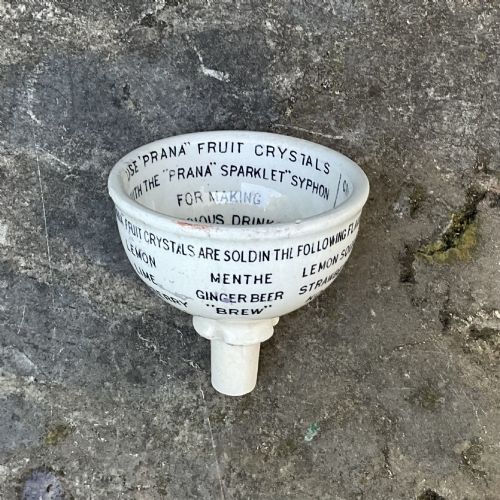
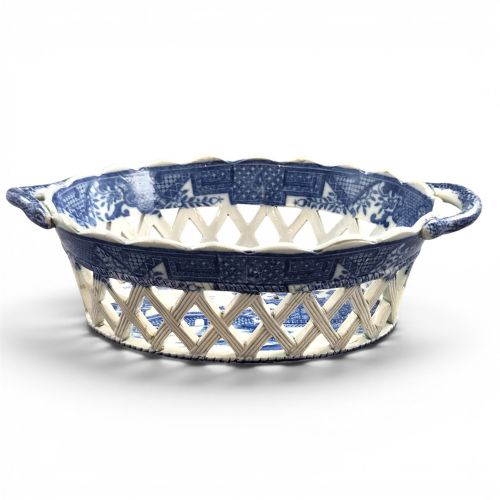
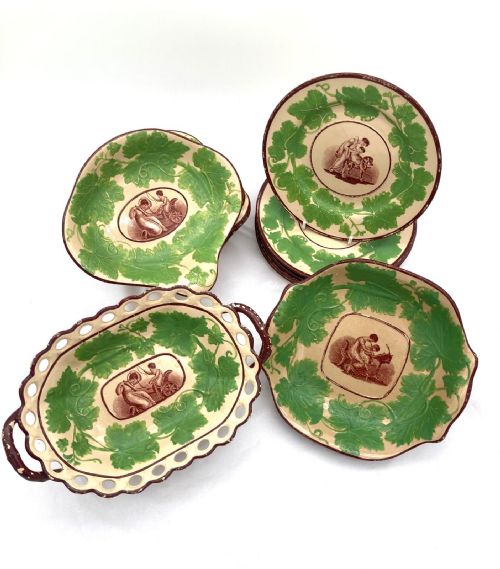
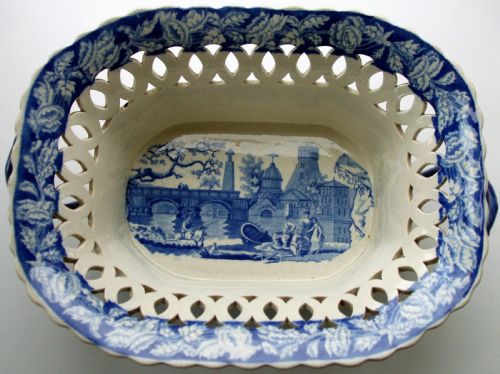
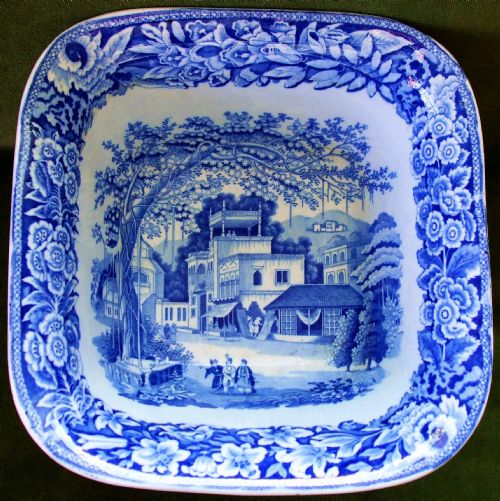
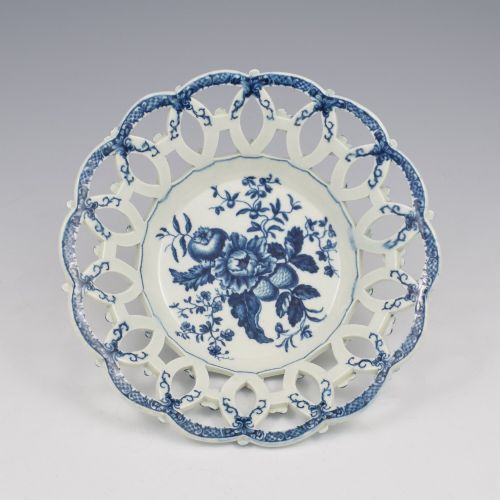
Object types include wall art alongside ceramic dessert services, decorative bowls, and chestnut baskets.
Assessing quality and execution
The finest examples demonstrate precise brushwork and careful handling of colour gradients, capturing the texture and form of the fruit with accuracy. Superior pieces often feature sophisticated framing that complements the period of the artwork without overpowering the composition.
Lesser examples display stiffer linework or faded pigments where the original vibrancy has been lost to light exposure. The skill of the hand behind the watercolour or paper work remains the primary indicator of distinction across the range.
J. & R. Clews·J. & R. Riley·Antonio Capellan·George Lance
The Antique Fruit Print Glossary
- Watercolour
- A painting method in which the paints are made of pigments suspended in a water-based solution. This technique allows for translucent washes of colour on paper supports.
- Regency
- An architectural and design style spanning the early nineteenth century in Britain. It is characterised by neoclassical elegance and refined decorative arts.
- Georgian
- The period of British history covering the reigns of the four Georges, noted for classical restraint and balanced proportions in art and architecture.
- Victorian
- The period coinciding with the reign of Queen Victoria, marked by diverse artistic revivals and a strong interest in natural realism.
Antique Fruit Print: Frequently Asked Questions
How should I frame an antique fruit print?
Select a traditional timber frame, such as rosewood or a gilt moulding, that matches the period of the work. Ensure conservation-grade materials are used behind the glass to protect the paper from degradation.
Keep the piece away from direct sunlight to preserve the watercolour pigments. Stable humidity levels in the room will prevent the paper support from warping over time.
What periods do these prints date from?
The works originate primarily from the Georgian, Regency, and Victorian periods. Each era brought distinct stylistic approaches to botanical illustration and still life composition.
Examining the framing materials and the type of paper helps confirm the historical context of the piece. Archival details often align with the manufacturing standards of the recorded century.
Are these works hand painted?
Many examples are executed entirely by hand as original watercolours on paper. Artists used fine brushes to capture the subtle tones and textures of natural specimens.
Closer inspection under magnification reveals the individual brushstrokes characteristic of watercolour technique. This distinguishes them from later mass-produced reproductions.
How do I care for paper art?
Mount the artwork using acid-free materials to prevent chemical damage to the paper over the years. Glazing with UV-filtering glass provides essential protection against fading from ambient light.
Position the piece on an interior wall away from heat sources and damp environments. Regular dusting of the frame with a soft, dry cloth maintains the exterior condition.