



Antique Fruit Plates
These antique fruit plates bring hand-painted porcelain and silver-plated design to the table, offering a refined way to serve fresh produce.
Antique Fruit Plates
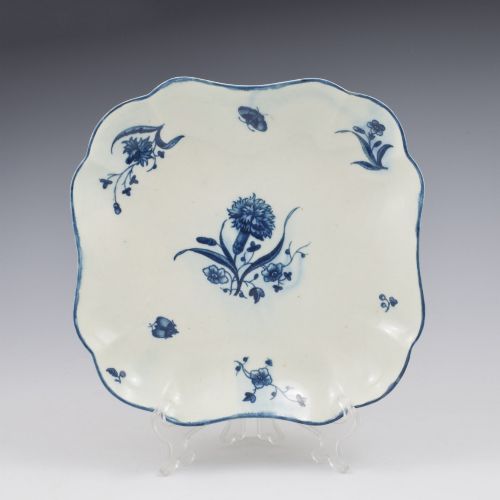
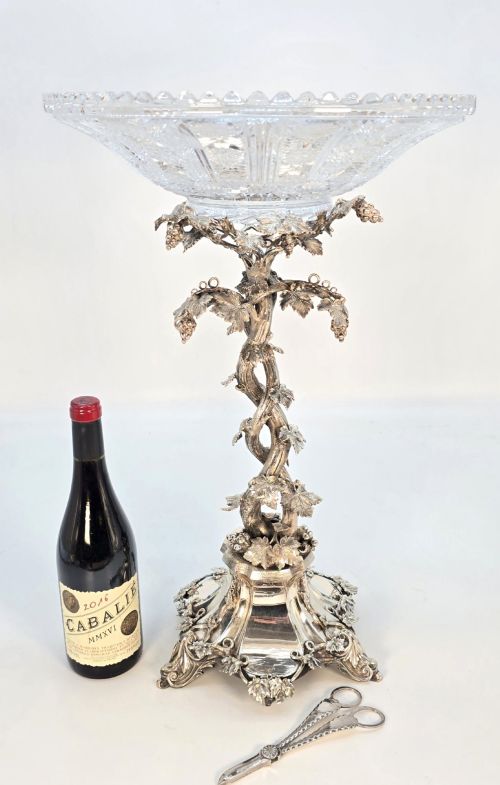
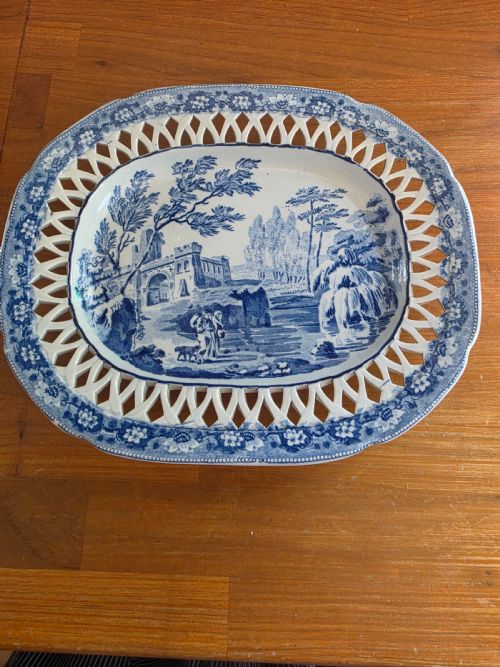
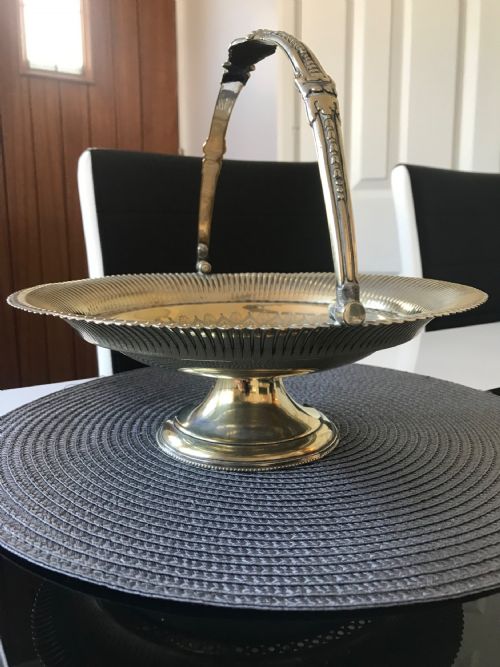
When searching for antique fruit plates, buyers encounter a variety of forms including individual cabinet plates, comports, and serving baskets designed for dessert courses. The selection ranges from nineteenth-century porcelain pieces adorned with botanical motifs to Edwardian silver-plated baskets and twentieth-century painted porcelain plates. These items reflect the shifting dining customs of the Georgian, Victorian, and Edwardian eras, where dessert demanded dedicated tableware.
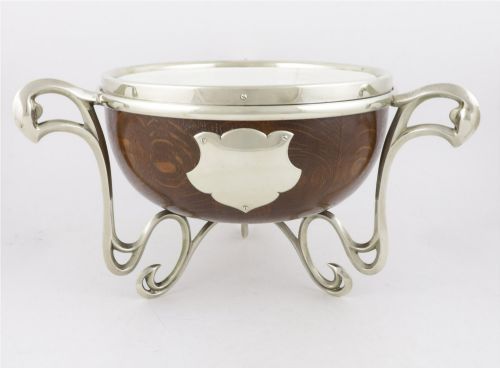
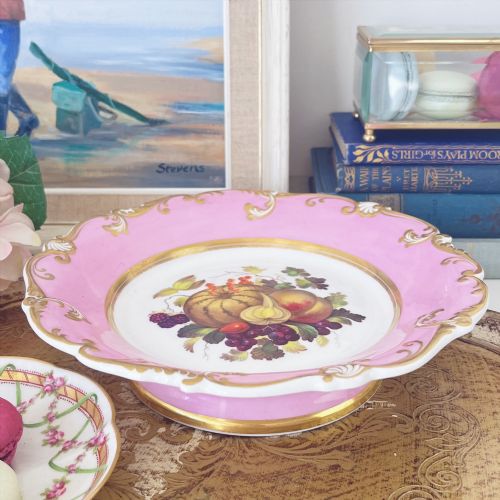
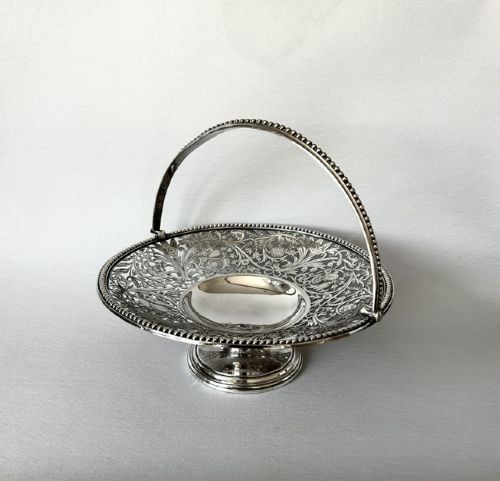
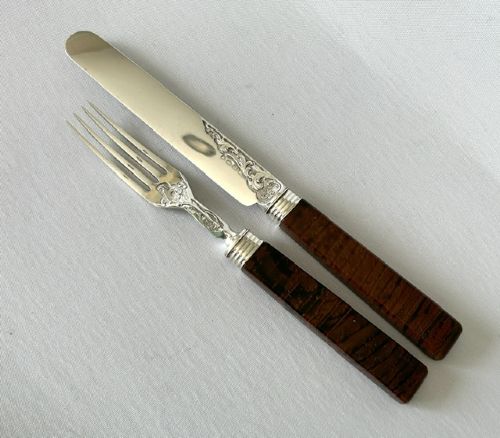
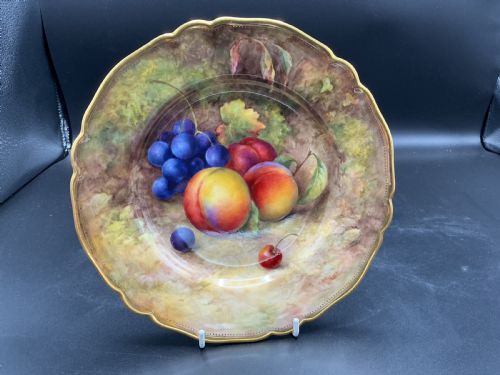
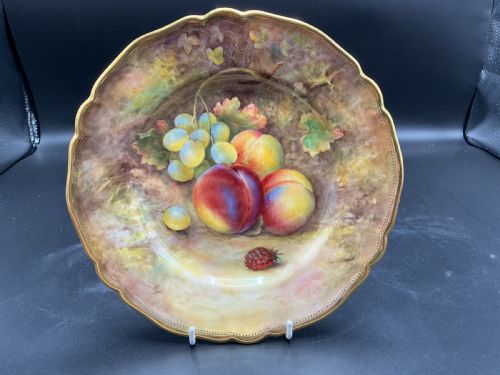
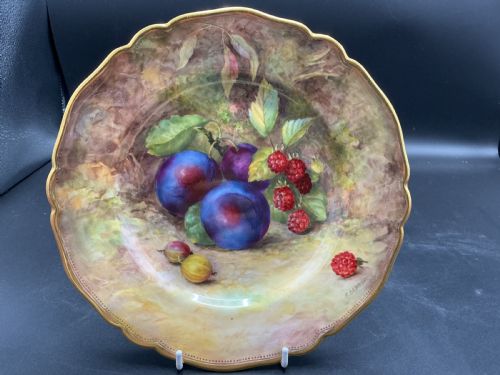
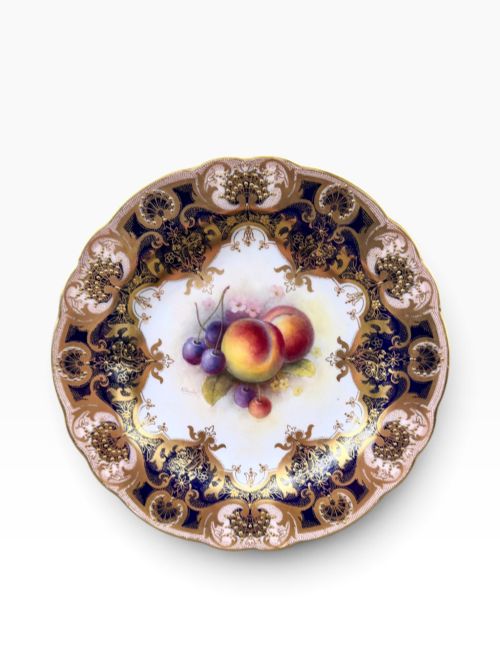
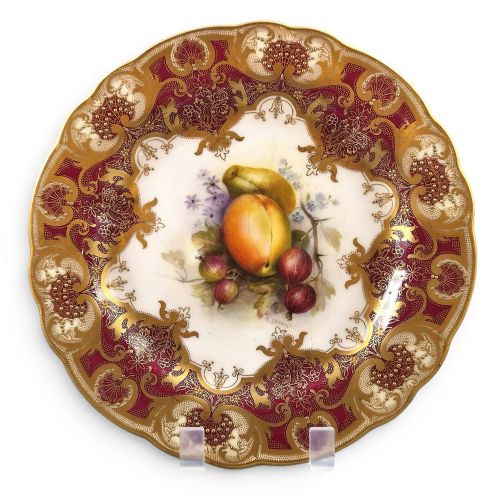
Porcelain cabinet plates bearing hand-painted fruit studies represent the most prominent type on this page, particularly those produced by factories such as Royal Worcester. Alongside these ceramic pieces appear silver-plated fruit baskets, pierced centrepieces, and matched dessert services comprising multiple plates and a central comport. Materials span bone china, ironstone, glass, and electroplated nickel silver, reflecting both functional servingware and ornamental display pieces.
How they were made
Makers utilised fine porcelain and bone china as grounds for intricate hand-painted enamel decoration, often enriched with gold leaf and gilding along the rims. Porcelain plates required high-temperature kiln firing before artists applied botanical and fruit studies by hand, sometimes signing their work on the surface.
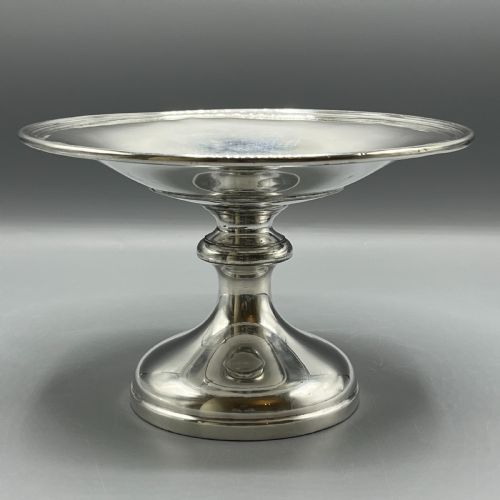
Metal items relied on silver plating over copper or nickel silver, incorporating techniques like wirework, repoussé, and piercing to create ornamental baskets and tazzas. Old Sheffield plate and early electroplating methods provided durable metallic surfaces shaped into neoclassical motifs, scroll handles, and pierced floral borders.
Antique Fruit Plates Retail Price Guide 2026
Typical asking prices for fruit plates among the pieces listed under this phrase on Sellingantiques today, from the lower quarter to the upper quarter. They describe what is for sale here now, not the wider market.
Listings feature porcelain, silver plate, and bone china from periods spanning the Georgian era to the mid twentieth century.
What varies in quality
The standard of painting on porcelain dictates much of the value, distinguishing factory production work from named artist pieces featuring detailed fruit studies and heavy gilding. Skilled painters achieved naturalistic depth and colour variation in their depictions of peaches, grapes, and apples.
Royal Worcester·Royal Crown Derby·Royal Doulton·H & R Daniel·Mappin & Webb·Hukin & Heath
The Antique Fruit Plates Glossary
- Comport
- A raised dish or bowl on a foot, traditionally used for serving fruit or dessert at the table. These pieces often match a set of smaller plates.
- Cabinet plate
- A decorative plate intended for display in a cabinet rather than for daily dining use. They frequently feature elaborate painted scenes.
- Old Sheffield plate
- A composite material made by fusing a thin sheet of silver to a thicker copper base. This technique predates modern electroplating.
- Repoussé
- A metalworking technique where the design is hammered into relief from the reverse side. It creates raised floral or scroll patterns on baskets and bowls.
- Tazza
- A shallow saucer-like dish mounted on a stem and foot. They function as elevated serving vessels for fruit and sweetmeats.
Antique Fruit Plates: Frequently Asked Questions
How were antique fruit plates used?
These pieces served dessert courses, holding fresh fruit, sweetmeats, or comfits at the end of a formal meal. Larger comports and baskets sat centrally on the table while individual plates were distributed to guests.
Over time, many decorative porcelain plates transitioned from dining tables to wall displays and glass cabinets, valued primarily for their painted artwork.
How do I identify Royal Worcester fruit plates?
Royal Worcester plates typically feature detailed hand-painted studies of fruit signed by studio artists such as Richard Sebright or Albert Shuck. Look for the factory backstamp on the underside, which often includes date codes indicating the year of manufacture.
Most examples from this factory date from the late nineteenth century through the mid twentieth century and display rich gilding along shaped borders.
What is the difference between a comport and a plate?
A comport stands on an elevated foot or pedestal, designed to sit higher than standard tableware and display fruit prominently at the centre of a setting. Plates are flat or shallow vessels meant for individual portions or cabinet display.
Dessert services often combined one comport with a set of matching plates to create a unified presentation.
Can I use silver plated fruit baskets for food?
Silver plated baskets function well for serving dry fruits, bread, or packaged items at the table. Their metal construction handles everyday presentation provided they receive gentle cleaning without abrasive agents.
Original plating varies in thickness, so periodic inspection helps preserve the metallic finish against wear.