




Antique Fruit Knife
An antique fruit knife is a small, personal piece of cutlery designed for slicing fruit at table, prized for its delicate metal blade and decorative handle.

Antique Fruit Knife
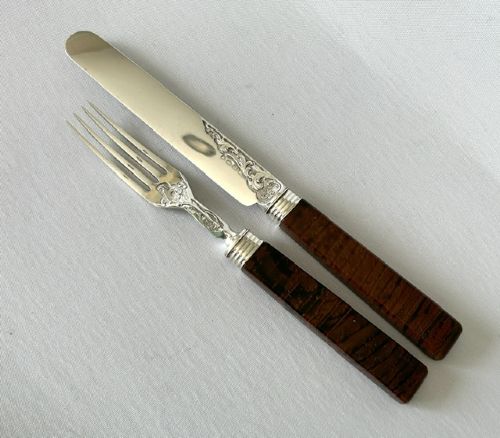
When you search for an antique fruit knife, you encounter specialised pocket implements and formal table service pieces dating from the eighteenth century through to the early twentieth century. The most common varieties on this page combine a gleaming metal blade with carved handle scales, reflecting the domestic habits of the Georgian, Victorian, and Edwardian eras.
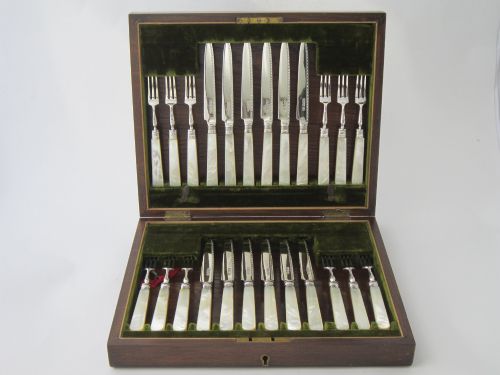
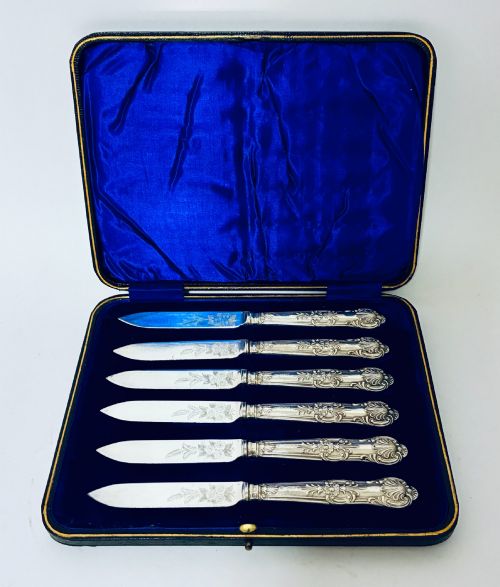
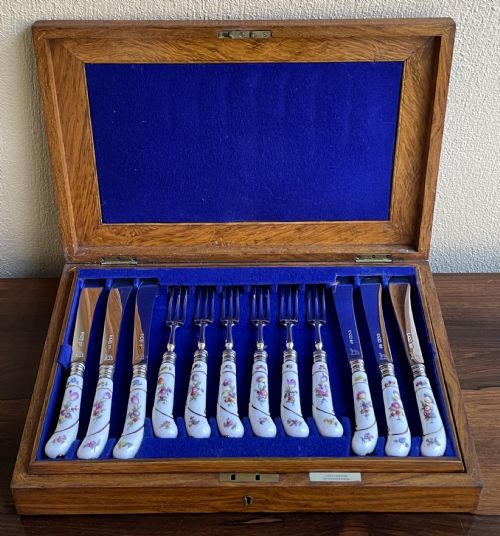
The selection ranges from single folding pocket knives intended for personal use to matched cased sets and serving pieces designed for dessert. You will find items originating from English workshops, Sheffield makers, and European centres, spanning periods such as the reign of George V and the late nineteenth century.
Many examples pair precious metals with natural materials like shell and stone, transforming a simple dining accessory into a tactile object. Whether presented as a solitary folding knife or part of a larger cutlery set, these pieces demonstrate the high standard of period craftsmanship.
Materials and construction
Blades in this category are fashioned predominantly from sterling silver, silver plate, or steel, occasionally finished with a rich silver gilt. Because acidic fruit juices would tarnish and corrode standard steel blades, silver was widely utilised to preserve the metal during dining.
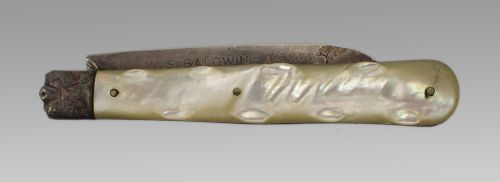
Handles rely heavily on mother of pearl, shaped and polished to create an iridescent grip, alongside alternatives such as carved wood, tortoiseshell, agate, and porcelain. Skilled artisans pinned these delicate scale panels securely to metal liners and bolsters using tiny pins.
Antique Fruit Knife Retail Price Guide 2026
Typical asking prices for fruit knife among the pieces listed under this phrase on Sellingantiques today, from the lower quarter to the upper quarter. They describe what is for sale here now, not the wider market.
Some Victorian pocket fruit knives were cleverly disguised to resemble fish, combining practical dining utility with whimsical novelty design.
Factors of quality
Quality in an antique fruit knife rests on the crispness of the engraving upon the blade and the structural integrity of the handle material. Finer examples display deep, clear hallmarks and intricate hand-chased decoration rather than flat, machine-stamped surfaces.
The joinery between the handle scales and the metal bolster indicates the maker's skill, with superior pieces showing no gaps or loose movement in folding mechanisms. Furthermore, the survival of fitted velvet-lined cases adds significantly to the completeness of cased sets and individual pieces alike.
William Needham·George Unite·Carrington
The Antique Fruit Knife Glossary
- Sterling silver
- A silver alloy containing 92.5 percent pure silver by mass, frequently marked on these blades with standard assay office symbols. It provides the corrosion resistance needed for cutting fruit cleanly.
- Mother of pearl
- The iridescent inner layer of mollusc shells, carved into thin scales to form the decorative grip of a knife. This material reacts to light with shimmering tones of pink, green, and white.
- Gilt
- A thin layer of gold applied to the surface of a silver blade or utensil. This finish protects the underlying metal from tarnishing when exposed to fruit acids.
- Folding knife
- A pocket implement featuring a hinge that allows the blade to tuck neatly into the handle. This design protected the user's pockets and allowed for portable dining.
- Assay
- The testing of precious metal purity conducted by an official office, resulting in stamped hallmarks on the blade. These marks verify the metal standard and date of manufacture.
Antique Fruit Knife: Frequently Asked Questions
Why are fruit knife blades made of silver?
Silver was chosen because it resists the corrosive acids found in fresh fruit, preventing the metallic taste and dark staining that ordinary steel blades suffered from when cutting citrus and soft produce.
This practical choice ensured that fine dining implements remained bright and untarnished throughout the dessert course.
How do I date an antique fruit knife?
Dating relies heavily on the hallmarks stamped onto the metal blade, which indicate the assay office, standard of silver, and specific year letter for the piece. Stylistic clues in the carving of the handle and the presence of original fitted cases also help narrow the decade of manufacture.
Victorian and Edwardian examples often feature registration marks or distinct maker's stamps that point to precise production years.
Are folding fruit knives meant for pockets?
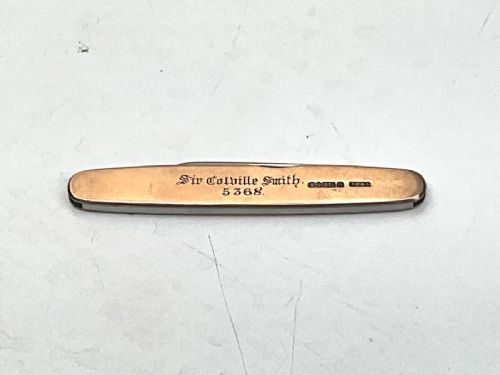
Many surviving examples are indeed pocket knives designed to be carried personally by gentlemen and ladies for dining away from home. Their hinged blades fold safely into the handle for secure transport.
Larger non-folding versions and cased sets, by contrast, remained on the dining table as part of a formal dessert service.
How should I care for mother of pearl handles?
Mother of pearl requires gentle handling and should be kept away from harsh chemical cleaners, extreme temperature shifts, and prolonged direct sunlight. Cleaning is best done with a soft, dry cloth to preserve its natural lustre.
Storing pieces in their original fitted cases or lined boxes protects the delicate shell scales from accidental impacts.