

Antique Fruit Art
When you seek antique fruit art, you find oil paintings, carved bowls, and silver spoons spanning centuries of craftsmanship.
Antique Fruit Art
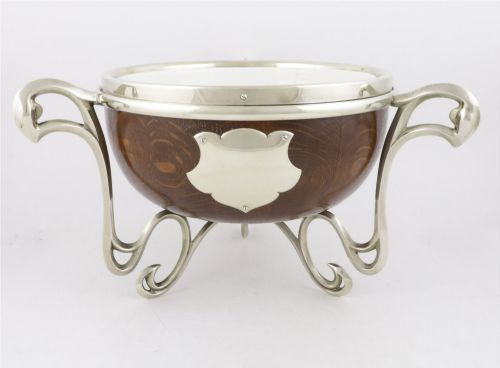
When searching for antique fruit art, buyers encounter a diverse range of objects dedicated to botanical subjects, from oil paintings on canvas to decorative silver bowls and carved wooden centrepieces. These items bridge fine art and functional dining objects, reflecting the enduring domestic fascination with natural produce across the eighteenth, nineteenth, and early twentieth centuries.
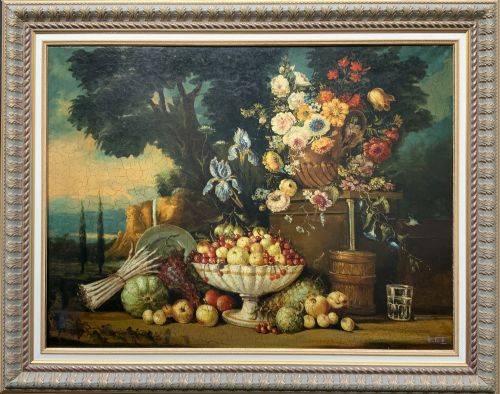
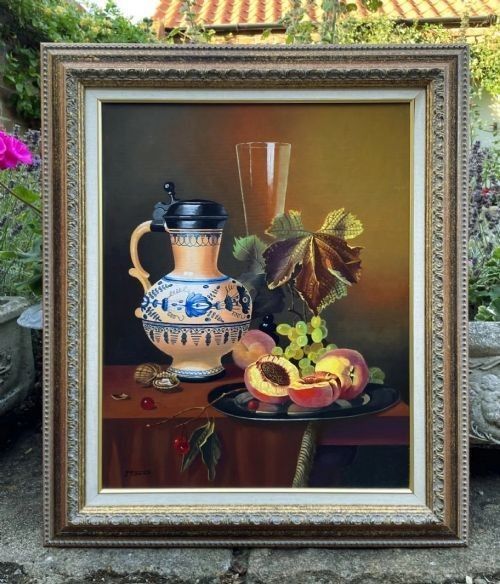
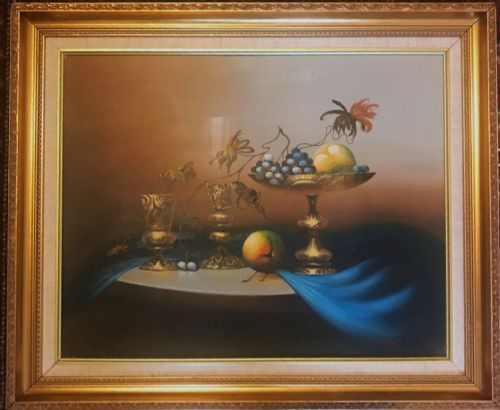
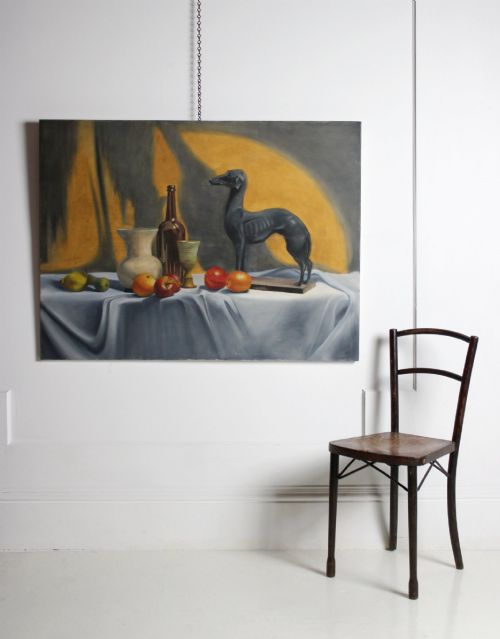
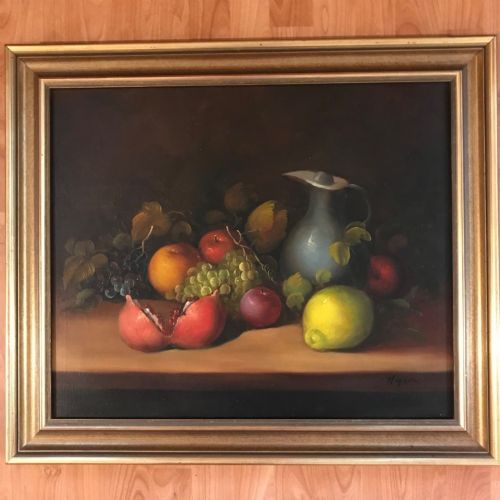
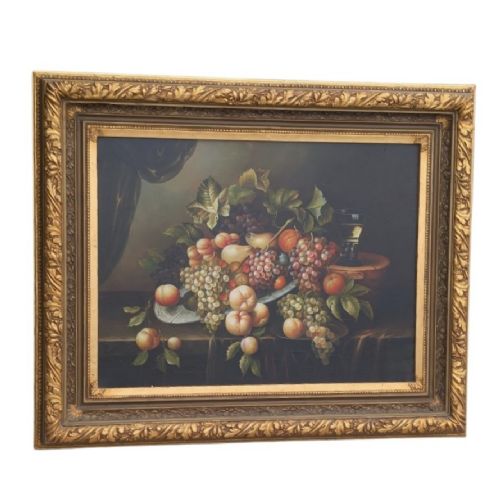
Oil paintings form a prominent category within antique fruit art, often capturing rich still-life compositions featuring wicker baskets, ceramic jugs, and draped fabrics. Alongside canvases, the selection includes silver grapefruit spoons, glass bowls, and carved oak vessels designed to hold or serve fruit in period settings.
How they were made
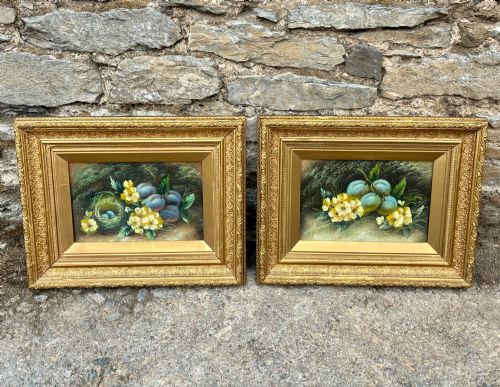
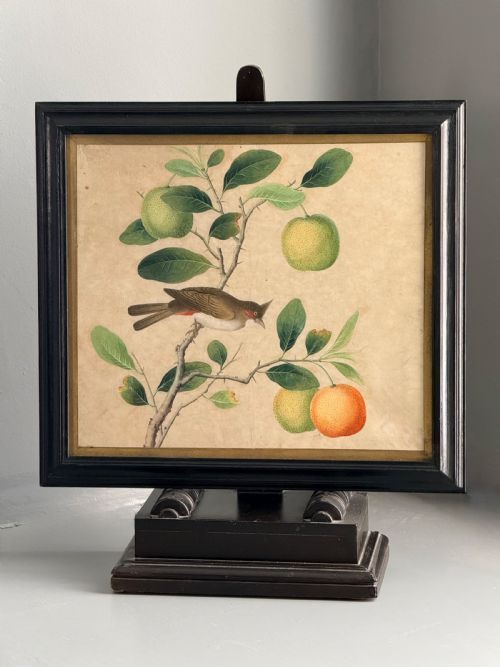
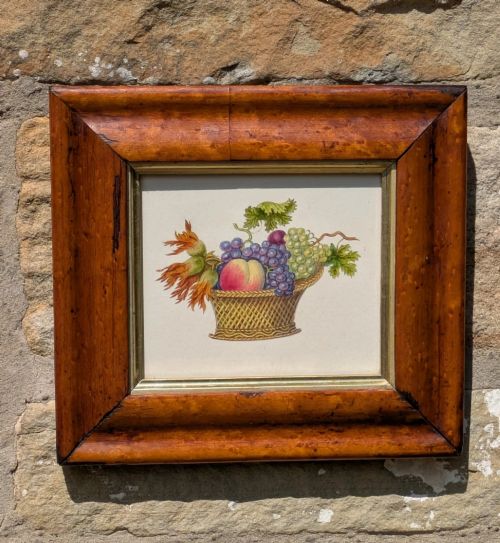
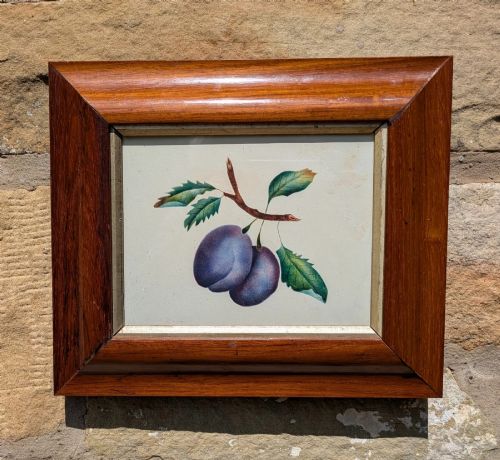
The physical creation of antique fruit art relies on traditional artist materials such as oil paint applied to stretched canvas, watercolour on paper, and delicate gouache on pith paper. Canvases are frequently housed in original gilt frames or rosewood surrounds that complement the rich pigments of the painted subject.
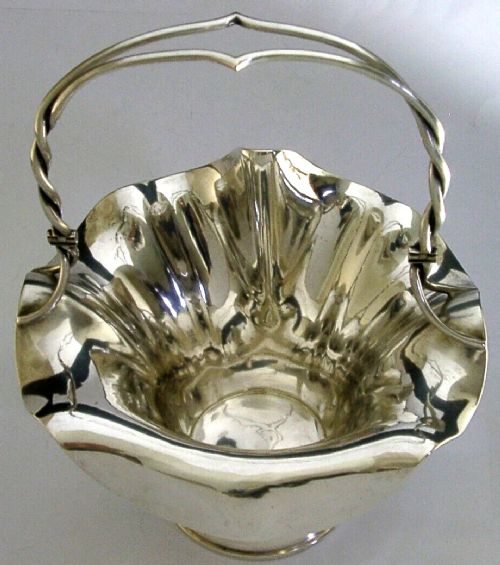
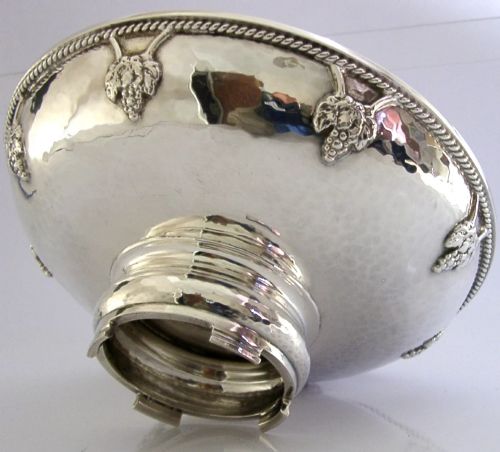
Metalwork pieces demonstrate skilled silversmithing techniques, utilising sterling silver and silver plate fashioned into planished hammered bowls, repoussé mirrors, and specialised cutlery sets. Wooden items incorporate hand-carved decoration, such as fruiting vine motifs on solid oak centrepieces.
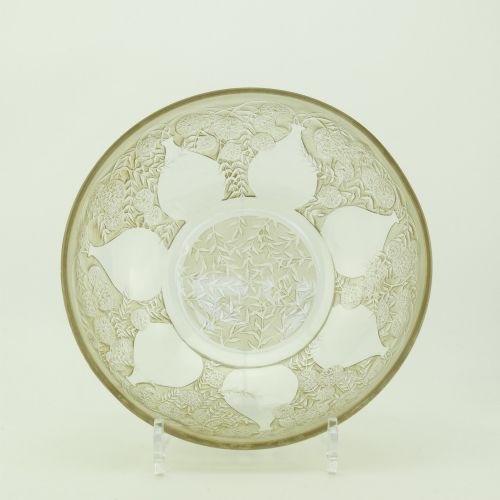
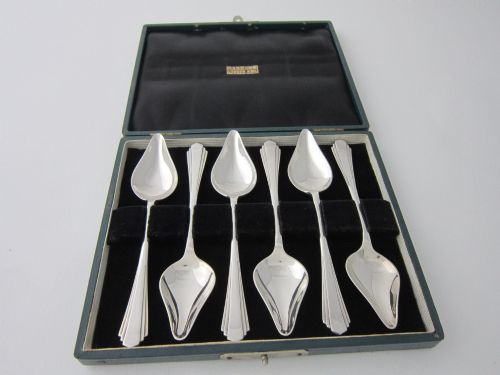
Listings combine eighteenth-century gouache paintings on pith paper with twentieth-century silver grapefruit spoons and moulded glass bowls.
What varies in quality
Quality in painted antique fruit art rests upon the dexterity of brushwork, the depth of composition, and the preservation of the original canvas and pigments. Pieces executed by named artists or distinct continental and British schools display superior draftsmanship and tonal nuance compared to anonymous decorative works.
In metalwork and glass, standard is determined by weight, maker attribution, and the crispness of hand-hammered or moulded details. Heavy gauge silver and documented designs from prominent metalwork firms command greater appreciation than standard plated items.
Goldsmiths and Silversmiths Company·Richard Comyns·Hamilton and Inches·Liberty and Co·Oliver Baker·Charles Boyton·Victor Simonin·WMF·Rene Lalique·Edward Ladell·Thomas Beach·Gaspar Peeter Verbruggen·William Henry Ward·Else Preubner·Arthur Dudley·Amy Barbaro·Evelyn Chester
The Antique Fruit Art Glossary
- Tazza
- A shallow saucer-shaped ornamental bowl raised on a stem and foot, frequently utilised for serving fruit or sweetmeats in silver or pottery.
- Still life
- A painting or drawing depicting inanimate subject matter, typically commonplace objects such as baskets of fruit, glassware, and tableware.
- Gouache
- An opaque method of watercolour painting using a mixture of water, pigment, and a binding agent, often seen on delicate surfaces like pith paper.
- Planished
- A metalworking finish achieved by hammering the surface with a polished tool to create a series of smooth, overlapping facets.
- Repoussé
- A malleable metalworking technique where the artist hammers the design from the reverse side to form a raised relief on the front.
Antique Fruit Art: Frequently Asked Questions
What periods do these pieces span?
The available selection spans from the seventeenth century through to the mid-twentieth century, encompassing periods such as the Georgian, Victorian, Edwardian, and Art Deco eras.
Paintings and decorative items from earlier centuries sit alongside functional silver tableware and moulded glass from the nineteen-thirties.
How were fruit bowls used originally?
Centres of dining tables frequently displayed decorative bowls and tazzas filled with fresh produce during formal meals. They served both a practical function for holding food and an aesthetic purpose to showcase household wealth.
Smaller items like specialised spoons and lemon squeezers were introduced for specific dining rituals involving citrus fruits.
How should I display oil paintings?
Oil paintings on canvas benefit from placement away from direct sunlight and excessive humidity to protect the paint layers and original canvas. Hanging them on interior walls allows the rich colours of the still-life composition to be appreciated properly.
Keeping the original frames dusted gently with a soft dry cloth helps preserve their historic finish.
Can I use antique silver spoons daily?
Sterling silver grapefruit spoons and lemon squeezers are durable enough for regular use provided they receive gentle hand washing. Avoiding abrasive cleaners preserves the delicate hallmarks and original polished finish of the metal.
Storing them in lined boxes prevents scratching when not in active service on the dining table.