




Antique French Wood Panels
These antique french wood panels bring immediate architectural character to a room, offering carved details and painted surfaces gathered from historic châteaux.
Antique French Wood Panels
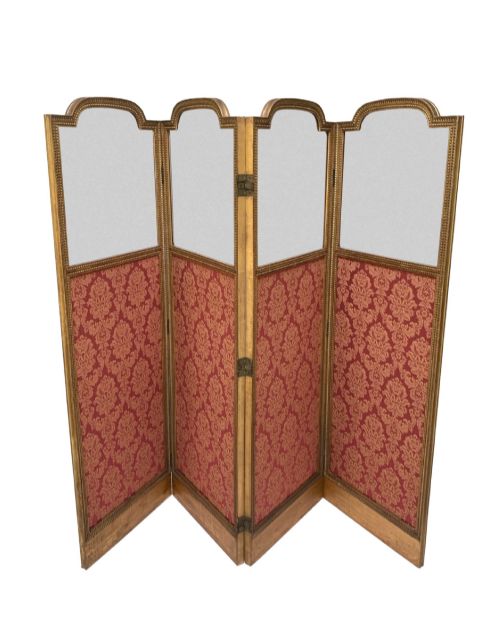
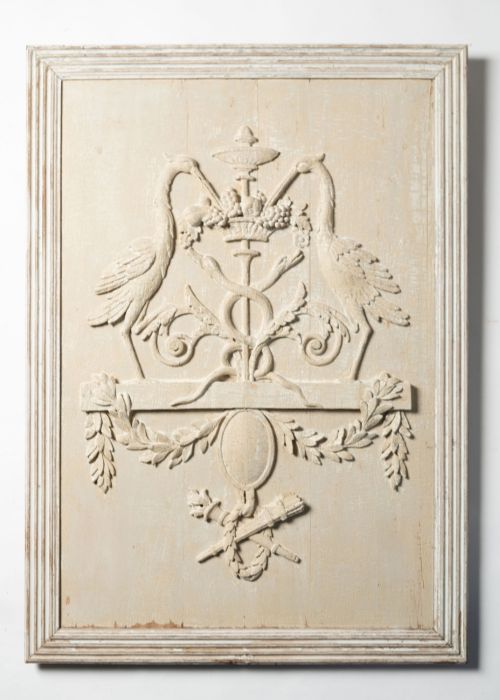
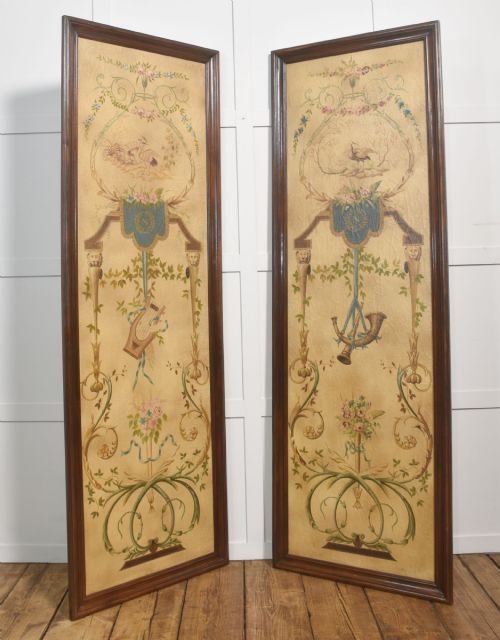
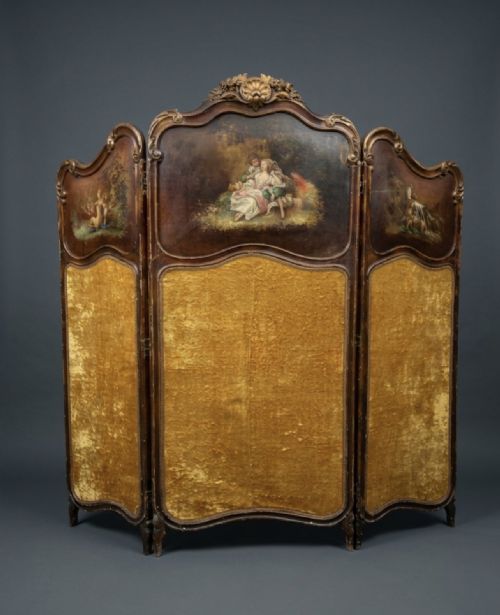
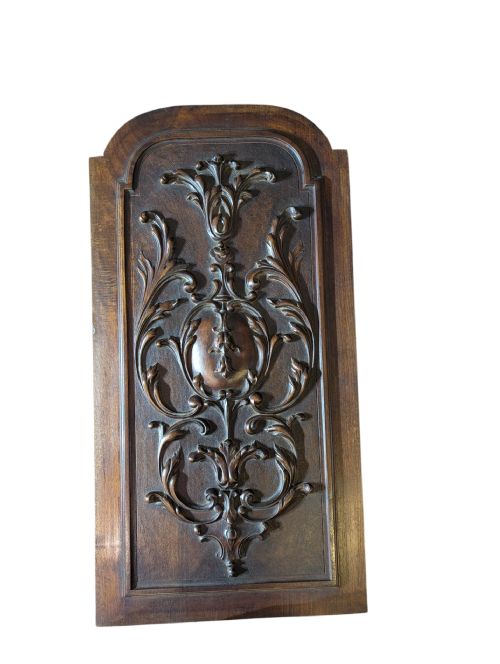
When you search for antique french wood panels, you encounter architectural salvage and decorative elements spanning several centuries of European craftsmanship. The selection ranges from robust 18th century carved sections and overdoors to 19th century boiserie wall panels and painted folding screens.
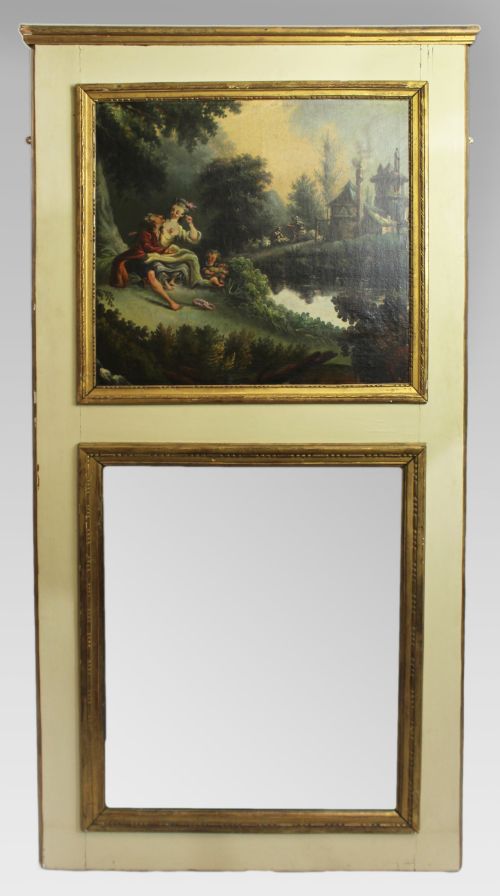
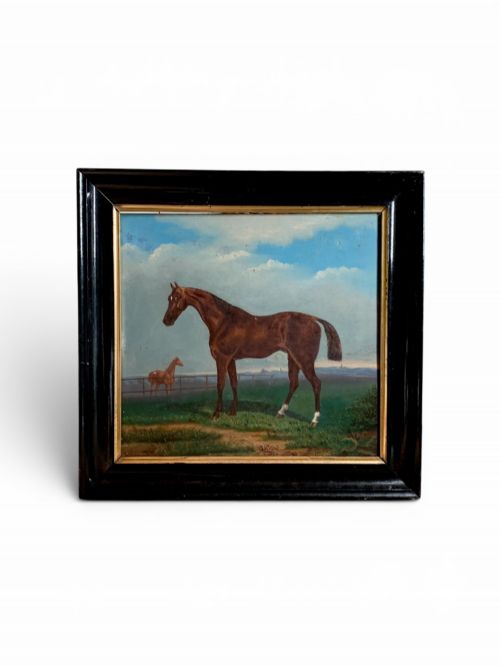
You are most likely to meet pieces originating from French provincial settings and château interiors, often incorporating classical motifs, floral carvings, or pastoral oil paintings set directly into the wood.
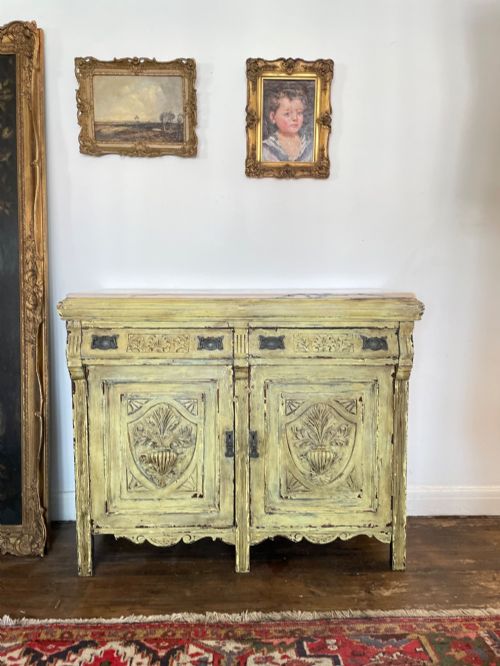
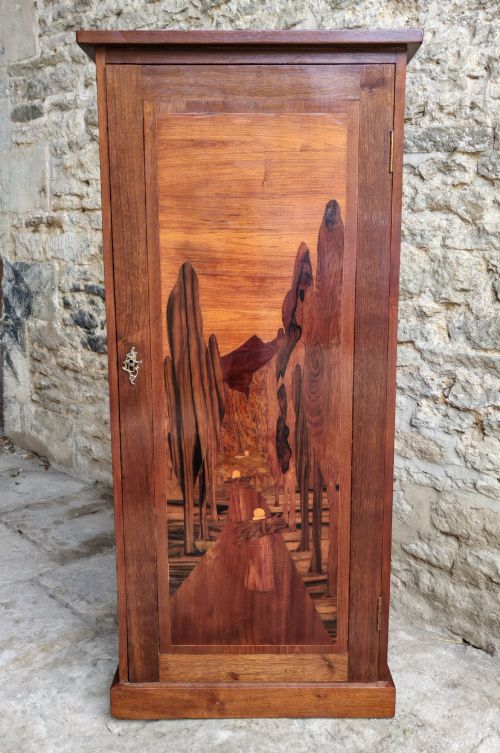
The form varies widely across the listings, appearing as standalone wall art, mirror surrounds known as trumeaux, or decorative panels integrated into cabinetry and folding screens.
Materials and construction methods
Carpenters and artisans relied on traditional timbers such as walnut, chestnut, fruitwood, and mahogany, shaping the wood with hand tools to achieve deep relief carvings and precise panel layouts.
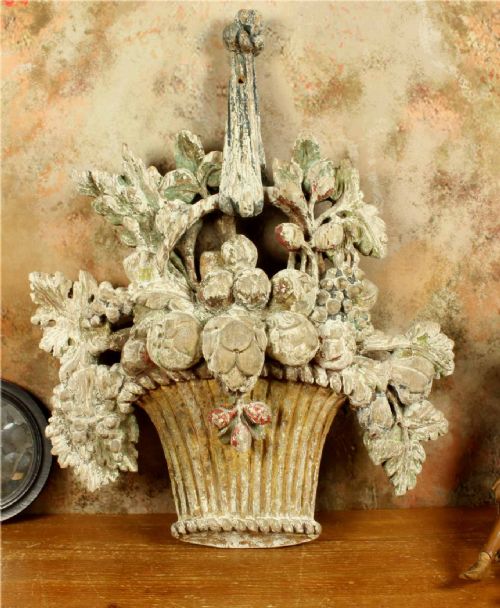
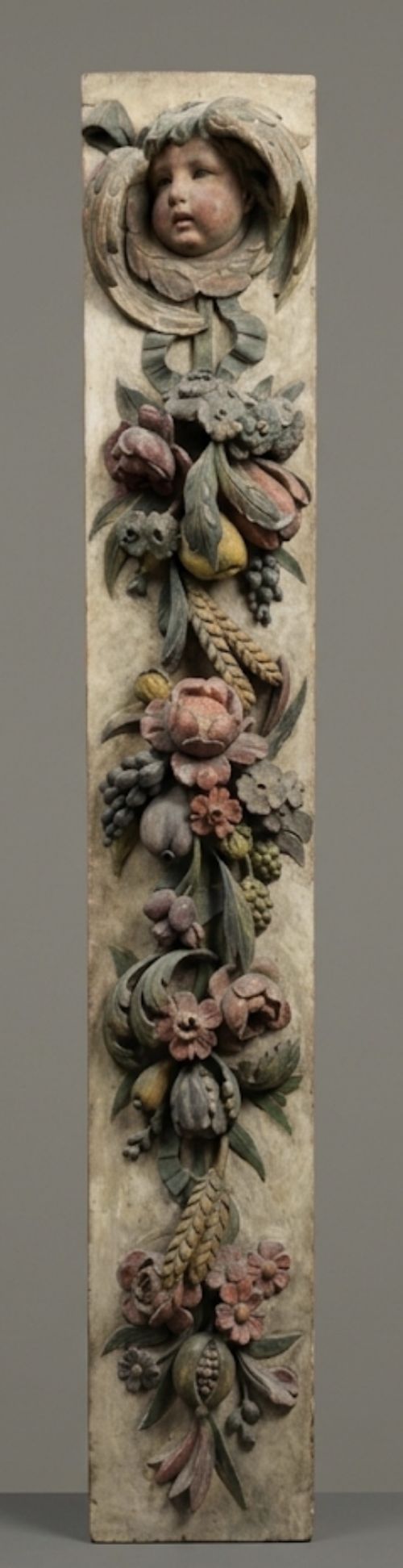
Many surfaces received layers of gesso, paint, or gilding, while others utilised decorative techniques like parcel gilding and polychrome finishing to accentuate the natural grain and carved motifs.
Where panels incorporated artwork or mirrors, oil paintings on wood panel or canvas were fitted directly into the wooden framework, accompanied by brass hardware and glass elements.
Listings feature items from the seventeenth, eighteenth, and nineteenth centuries, constructed from walnut, chestnut, fruitwood, and mahogany.
Distinctions in quality and execution
Quality rests primarily on the depth and crispness of the hand carving, where pieces executed with fine chiselling display sharper contours and more expressive figurative work than mass-produced or heavily worn alternatives.
The sophistication of the painted or gilded surface finish dictates the overall refinement, with layered patination and carefully preserved original polychrome holding greater visual integrity than later repainting.
The architectural provenance matters significantly, as intact boiserie sections and large-scale architectural salvage retain an authentic structural scale that smaller or assembled decorative fragments lack.
Paul-Élie Gernez·Théophile Emmanuel Duverger
The Antique French Wood Panels Glossary
- Trumeau
- A decorative wall mirror or panel placed between windows or above a fireplace. It frequently incorporates an oil painting or carved relief at the top.
- Polychrome
- The practice of decorating architectural elements or wood carvings in multiple colours. This technique enhances the visual depth of floral and figurative motifs.
- Gesso
- A plaster-like mixture applied to wood surfaces as a base for painting or gilding. It provides a smooth ground for intricate decorative details.
- Overdoor
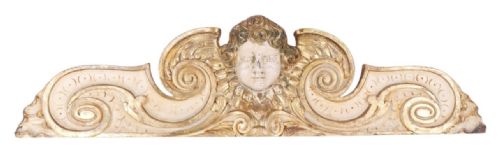
- An architectural panel positioned directly above a doorway. These pieces often feature prominent carvings of cherubs, urns, or pastoral scenes.
Antique French Wood Panels: Frequently Asked Questions
How were antique French wood panels originally used?
These pieces served primarily as permanent interior architecture, lining the walls of formal reception rooms and private salons within historic châteaux and townhouses. They established a structured framework that integrated paintings, mirrors, and doors into a unified decorative scheme.
Over time, many of these architectural elements were salvaged during interior renovations. This transition allowed panels originally fixed to walls to be repurposed as standalone decorative art or integrated into modern rooms as focal points.
Where is the best place to hang a trumeau mirror?
A trumeau mirror traditionally finds its place mounted directly above a fireplace mantel, where its vertical proportions balance the hearth below. It can also be centered on a principal wall opposite a window to reflect natural light across the space.
Because these pieces combine carved woodwork with painted scenes or mirrors, they function as self-contained focal points. Hanging them at eye level ensures the detailed woodwork and integrated artwork can be fully appreciated.
How do I distinguish 18th-century panels from 19th-century revivals?
Eighteenth-century panels generally exhibit the hand-tooled tool marks, pegged joinery, and natural patination characteristic of period construction. Their carved motifs reflect the authentic asymmetrical curves of Rococo design or the restrained symmetry of early Neoclassical styles.
Nineteenth-century revival pieces often display machine-assisted precision in their joinery alongside heavier, more exuberant ornamentation inspired by earlier reigns. Examining the back of the wood and the composition of the gesso layers often reveals clues regarding the exact period of manufacture.
Can antique wood panels be cleaned safely at home?
Routine maintenance requires only a gentle dusting with a dry, soft cloth to prevent particulate buildup on carved surfaces and painted details. Avoid using commercial liquid cleaners, harsh detergents, or excessive water, which can damage aged gesso and historic paint layers.
If deeper cleaning is necessary to address accumulated grime on finished wood or gilt surfaces, consult a professional conservator. Preserving the original patination is essential for maintaining the historical character of the piece.