

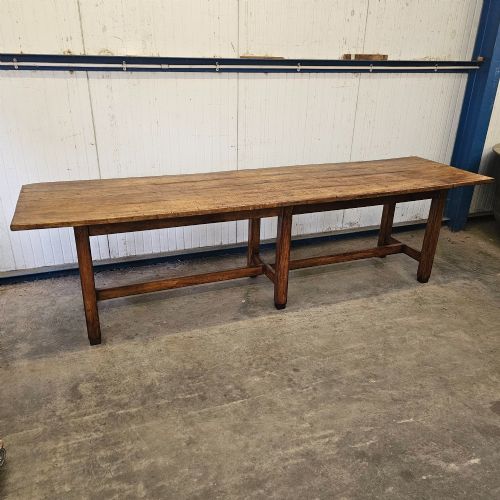
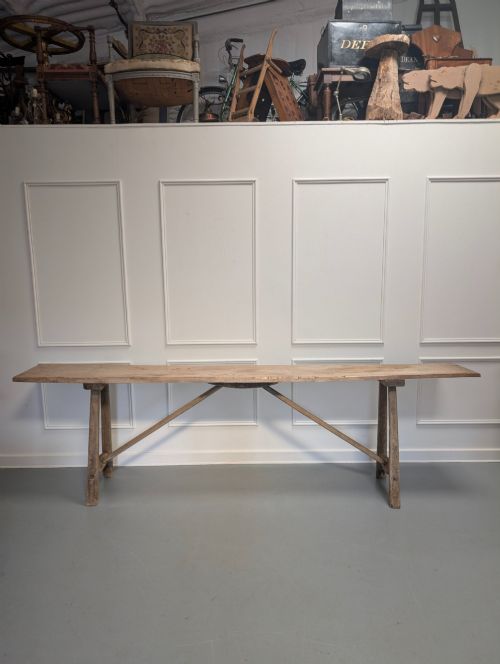
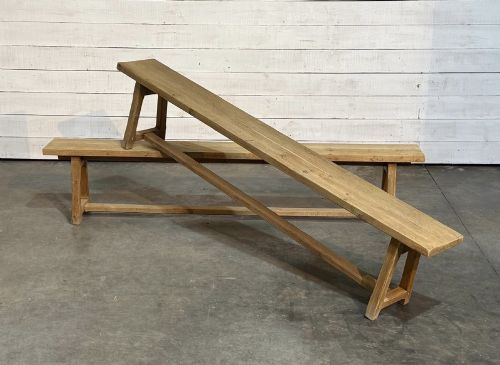
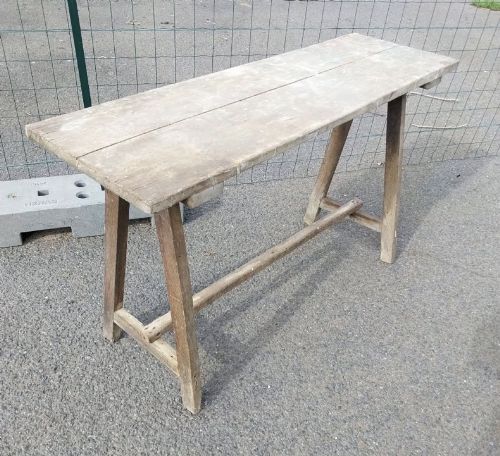

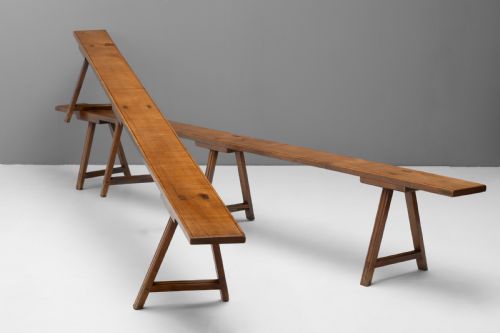


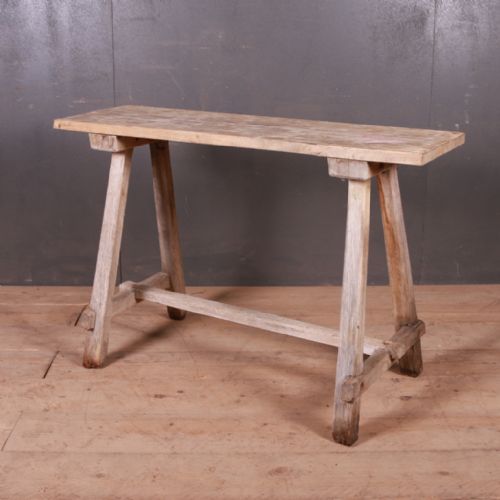


Antique French Trestle Bench
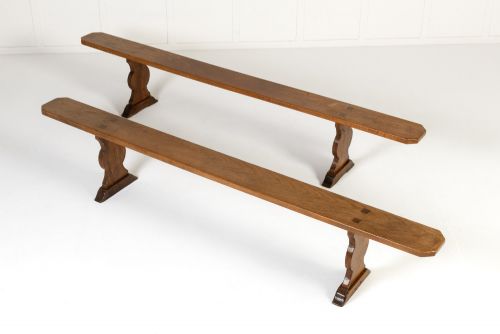
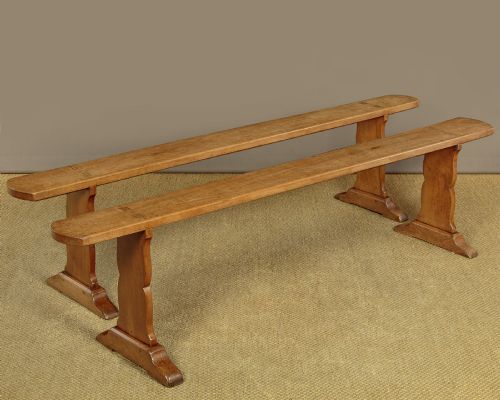
An antique french trestle bench offers honest timber construction and simple lines, bringing rustic utility and enduring character to modern spaces.
Antique French Trestle Bench
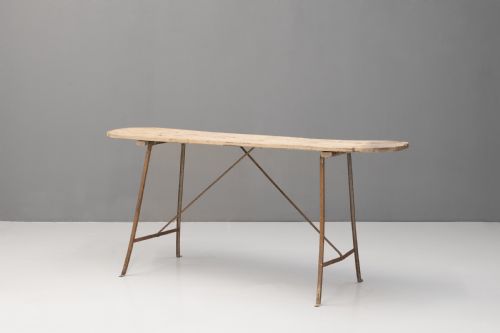
The selections available here span the nineteenth and early twentieth centuries, drawing heavily upon regional French Provincial and Rustic Farmhouse traditions. While the search centres on benches, the inventory also encompasses related scrubbed sycamore and elm trestle tables, folding metalwork tables, and occasional cherry wood stools.
Makers constructed these forms for everyday utility rather than formal display, resulting in sturdy horizontal seats supported by straightforward trestle or pillar frames. Their unpretentious design allows them to transition smoothly from hallways to dining areas without overwhelming the surrounding interior.
How they were made
Cabinetmakers and rural joiners utilised solid regional timbers including elm, sycamore, oak, and cherrywood to construct these benches. Hardwoods provided the structural resilience necessary to withstand daily wear in active domestic settings.
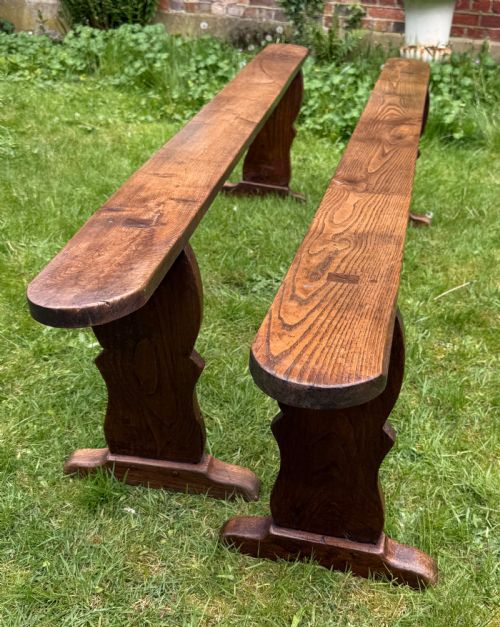
Surfaces were frequently left unpainted or simply scrubbed clean, highlighting the natural grain and texture of fruitwood and timber. Simple pegged joints and robust stretcher bars secured the legs without relying on elaborate metal hardware.
Antique French Trestle Bench Retail Price Guide 2026
Typical asking prices for french trestle bench among the pieces listed under this phrase on Sellingantiques today, from the lower quarter to the upper quarter. They describe what is for sale here now, not the wider market.
Many surviving benches still bear faint ink stains and knife marks from decades of hardworking rural suppers.
What varies in quality
The calibre of an antique french trestle bench rests upon the choice of timber and the integrity of its initial joinery. Denser woods like oak and cherrywood display superior durability and develop richer patinas over decades of handling.
Proportion and stability separate finer provincial examples from utilitarian workshop seating. Well-balanced trestle supports and tight, honest joints ensure the bench remains solid and functional without excessive wobble.
The Antique French Trestle Bench Glossary
- Trestle
- A structural support consisting of a horizontal beam fixed to two splayed legs. This design maximises legroom beneath long seating and dining surfaces.
- Scrubbed finish
- A surface treatment achieved through rigorous washing and scouring of the wood. This process removes old finishes and reveals the pale, clean grain of sycamore or elm.
- Refectory bench
- A long, narrow bench traditionally designed to accompany a communal dining table. These pieces often survive in pairs from nineteenth-century rural properties.
- Fruitwood
- Timber sourced from fruit-bearing trees such as cherry or apple. Makers favoured these woods for their fine grain and warm tone.
Antique French Trestle Bench: Frequently Asked Questions
Where should I place a trestle bench?
These benches sit comfortably along dining tables, in narrow hallways, or against bedroom walls. Their slim profiles make them particularly useful in spaces where traditional chairs prove too bulky.
Because they slide completely under tables when not in use, they help maintain clear pathways in high-traffic areas around the home.
How do I clean antique timber surfaces?
Dust the wood regularly with a dry, soft cloth to prevent dirt accumulation. Avoid modern silicone polishes that can build up and dull the natural patina over time.
For general upkeep, a gentle wipe with a damp cloth followed by immediate drying preserves the dry, scrubbed texture characteristic of provincial French furniture.
Are these benches sturdy enough for daily seating?
Traditional construction methods using solid hardwoods and pegged joints provide remarkable structural strength. These pieces were built for active daily life in busy farmhouses.
Regular checks of the stretcher bars and joints ensure the frame remains secure under normal household use.
What woods were commonly used in France?
Regional makers utilised whatever durable hardwoods grew locally, most notably elm, sycamore, oak, and cherrywood. Elm and sycamore offered resilience for tabletops and seats, while cherrywood provided a warm visual depth.
This reliance on local timber gives each piece a distinct regional character tied directly to the landscape where it was built.