



Antique French Study Light
These antique french study light pieces range from functional task lighting to evocative canvases capturing coastal illumination.
Antique French Study Light
When you search for an antique french study light, you encounter a curated selection of functional desk and reading lamps alongside period oil paintings. These pieces originate from the nineteenth and twentieth centuries, spanning stylistic movements from the Empire period through Art Deco and Arts and Crafts.
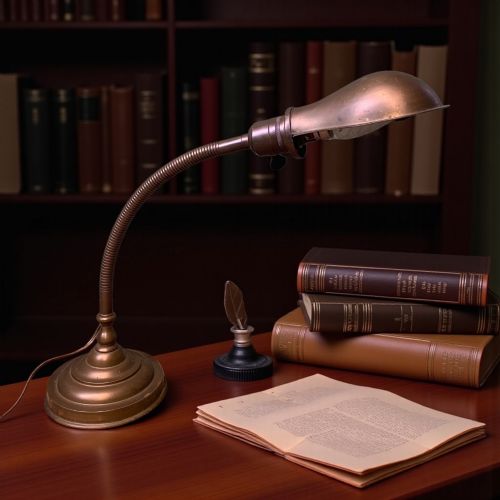
The practical lighting fixtures dominate this selection, featuring adjustable brass desk lamps, toleware reading lamps, and bakelite table lights. Alongside these metal and glass luminaires, the category includes related study items such as carved oak writing desks and framed canvas oil paintings that explore themes of light.
How they were made
Maker workshops utilised durable metals including brass, bronze, gilt metal, chrome, and painted toleware to construct robust reading and desk lamps. Electrical and mechanical elements incorporated early plastics such as bakelite alongside traditional glass shades.
Fine art oil paintings in this category employ oil on canvas techniques to render studies of light by French artists. Furniture pieces like writing desks utilise carved oak construction to provide stable workspaces.
Antique French Study Light Retail Price Guide 2026
Typical asking prices for french study light among the pieces listed under this phrase on Sellingantiques today, from the lower quarter to the upper quarter. They describe what is for sale here now, not the wider market.
A French woman artist captured light on the seafront around nineteen thirty, proving that studying illumination requires no lamp at all.
What varies in quality
The standard of design distinguishes standard utilitarian task lighting from iconic works attributed to specific makers like Eileen Grey or manufacturers such as Jumo. Material combination also elevates a piece, such as the pairing of bronze with crystal or green tole.
Artistic execution creates a divergence in quality within painted works, where compositional depth in a study of light separates fine art from decorative pieces. The complexity of adjustable mechanisms similarly marks out superior desk lamps.
Eileen Grey·Jumo
The Antique French Study Light Glossary
- Tole
- Painted or lacquered sheet metal used frequently for lamp shades and canisters. This material appears often in traditional green or coloured finishes on nineteenth and twentieth-century desk lamps.
- Bakelite
- An early form of thermosetting plastic utilised for switches, bases, and body components on twentieth-century industrial lighting. Its presence is a key indicator of Art Deco design.
- Bouillotte
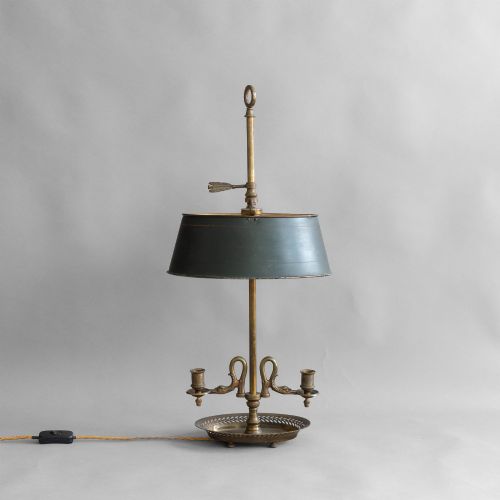
- A traditional adjustable desk lamp featuring a central column, a candle-style or electric cluster, and a characteristic saucer-shaped shade. These lamps direct light downward for reading and writing.
- Empire
- A neoclassical design style spanning the nineteenth century characterised by classical motifs, symmetry, and heavy use of bronze and brass. Pieces from this era often display formal architectural lines.
Antique French Study Light: Frequently Asked Questions
What is an antique French study light?
An antique French study light encompasses desk lamps, reading lamps, and table lamps originating from France during the nineteenth and twentieth centuries. These fixtures utilise brass, bronze, toleware, and bakelite to provide focused illumination for reading and writing.
The category also extends to period oil paintings and desks that share a thematic connection to study spaces and the representation of light.
Where were bouillotte lamps used?
Bouillotte lamps were traditionally placed on gaming tables, desks, and reading tables in French interiors to provide adjustable, focused light. The characteristic shade moves vertically along a central upright rod to control the illumination level.
These classic fixtures combine bronze and green tole components to create a balanced aesthetic suited for traditional studies.
How do I care for brass and bronze?
Brass and bronze components benefit from gentle dusting with a soft, dry cloth to prevent the accumulation of surface grime. Avoid abrasive cleaners that can strip the historic patina accumulated over decades of use.
For wired lamps, ensure electrical components are inspected by a qualified professional before regular daily use.