
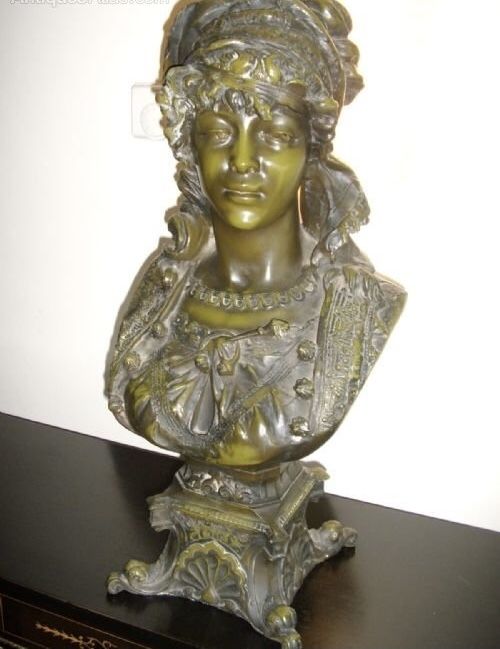
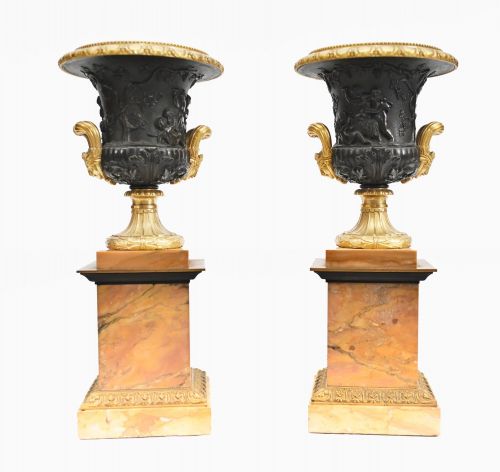

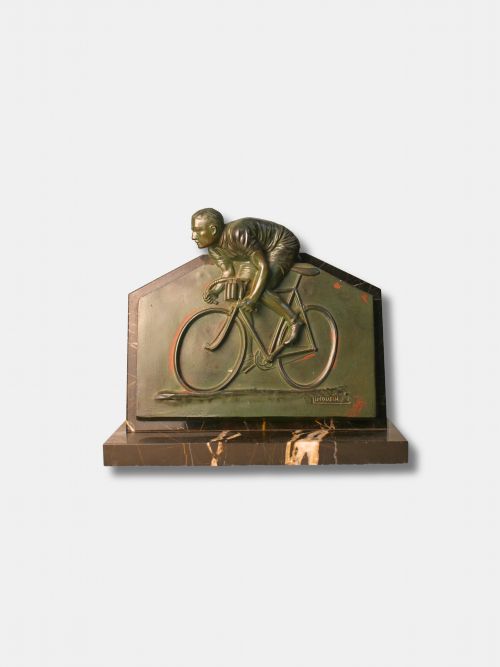
Antique French Plinth
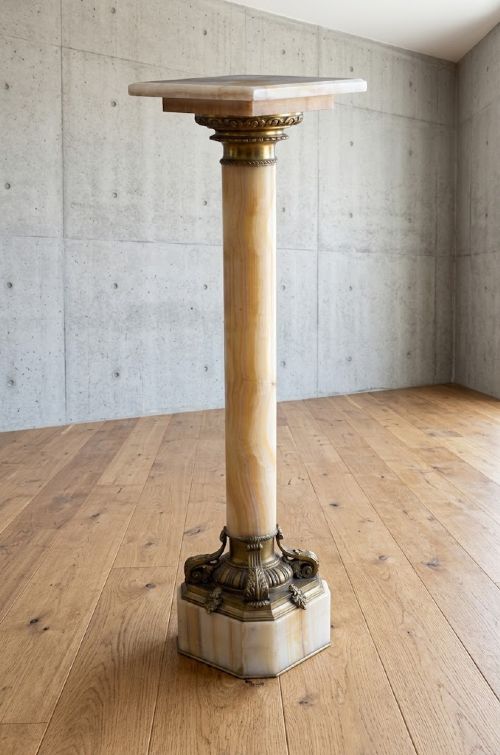
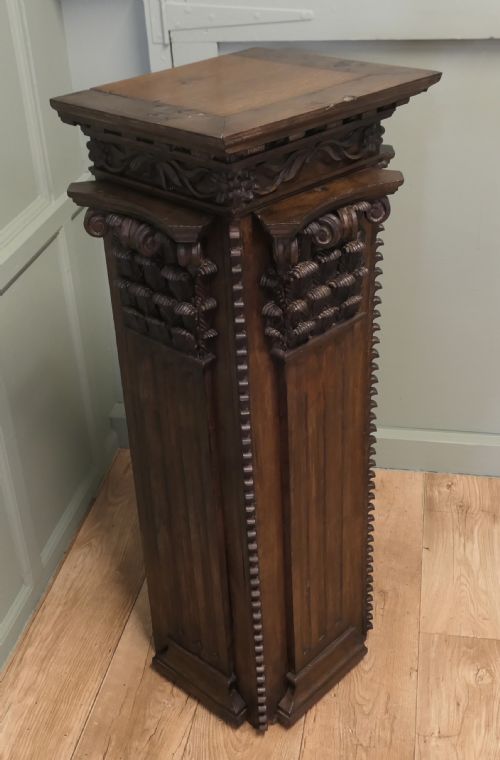
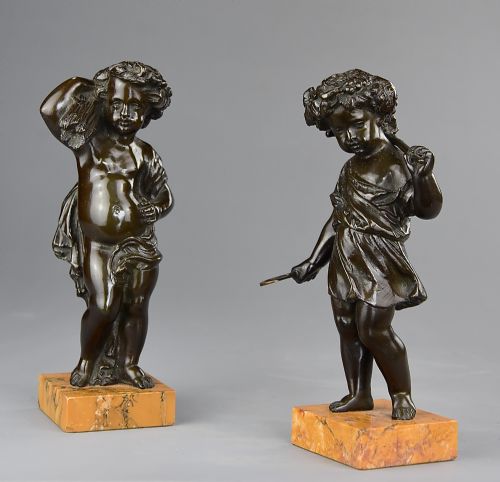
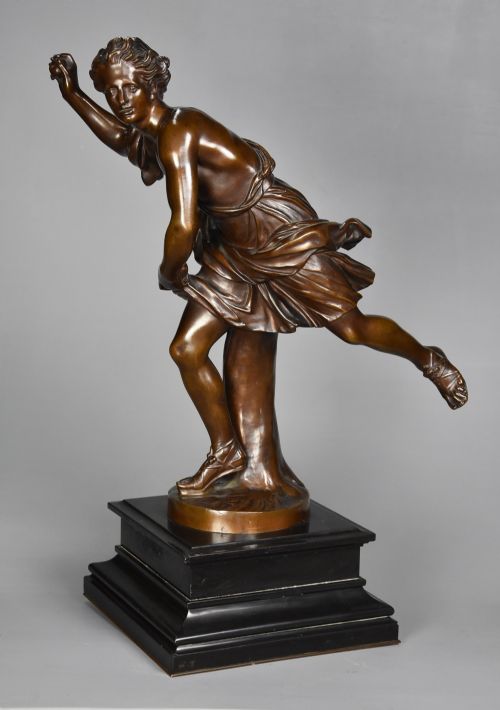
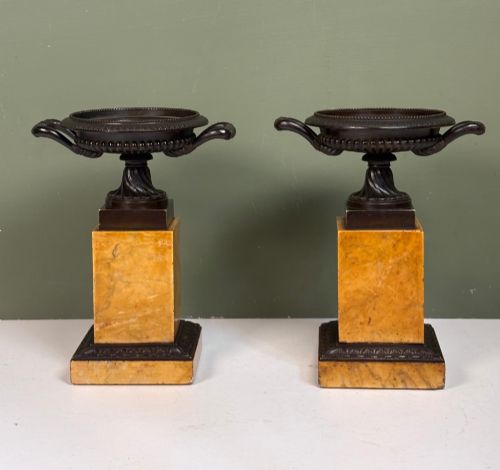
These antique french plinth selections provide sturdy architectural mounting bases and display columns for classical sculpture, bronzes, and decorative urns.
Antique French Plinth
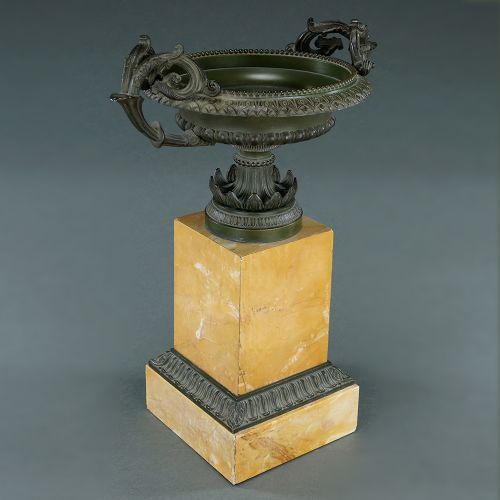
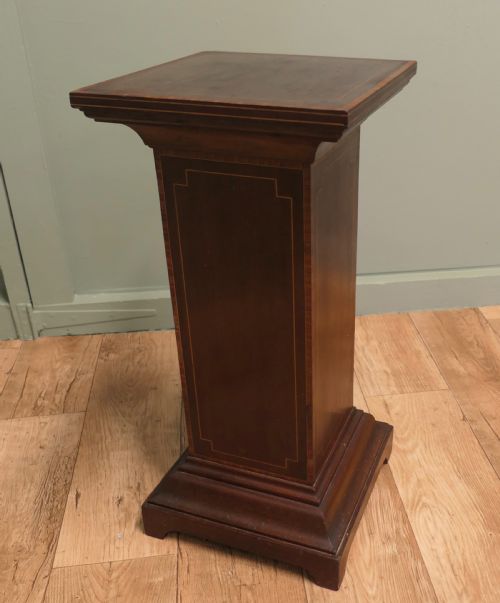
An antique french plinth serves as a structural pedestal or column designed to elevate decorative objects, urns, and bronze sculptures within an interior space.
The pieces appearing here include marble columns, onyx torchere columns, and carved wooden display pedestals originating from the nineteenth and early twentieth centuries.
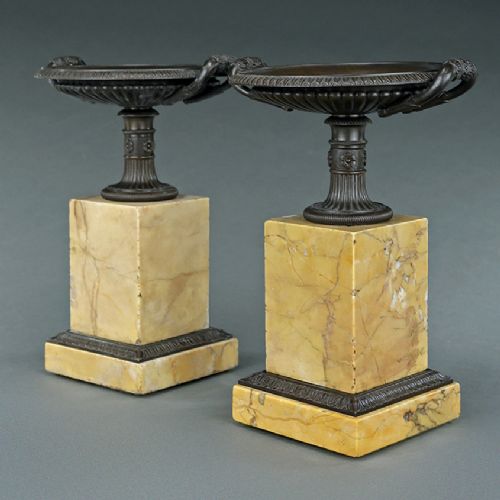
Buyers will encounter various forms ranging from tall architectural shafts with ormolu collars to stepped bases intended for figures and tazza vases.
How they were made
Maker workshops utilised natural hardstones such as marble, verde antico, serpentine, and onyx, turning them into substantial cylindrical and triform columns.
Metal components involve cast bronze, spelter, and mixed metals finished with patination, paint, or mercury gilding.
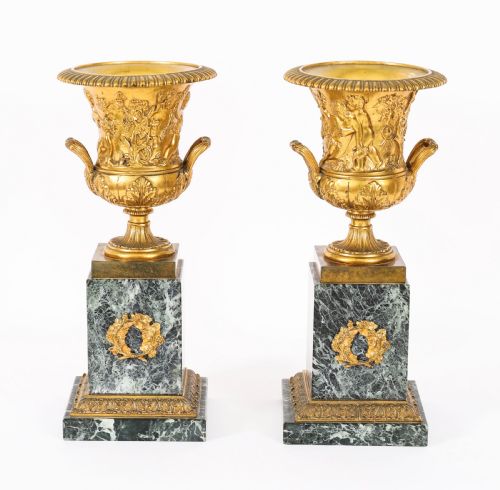
Decorative details frequently incorporate applied ormolu mounts, cast brass collars, and hand-carved wooden elements matching neoclassical or rococo designs.
Listings feature stone varieties including Carrara marble, sienna marble, and green serpentine alongside cast bronze and spelter.
What varies in quality
Material selection dictates the baseline quality, with solid coloured marbles and finely figured onyx representing more ambitious workshops than painted or cast iron alternatives.
The crispness of the cast metal mounts and the precision of the stone turning distinguish standard production pieces from exceptionally executed commissions.
Proportion and structural integrity matter greatly, as taller columns require precise weight distribution to support heavy bronze figures or marble urns safely.
Barbedienne·A Moreau Paris·Paul Garnier
The Antique French Plinth Glossary
- Ormolu
- Gilt bronze mounted onto furniture, clocks, or stone columns. This technique involves applying a finely ground high-carat gold mercury amalgam to cast bronze.
- Torchere
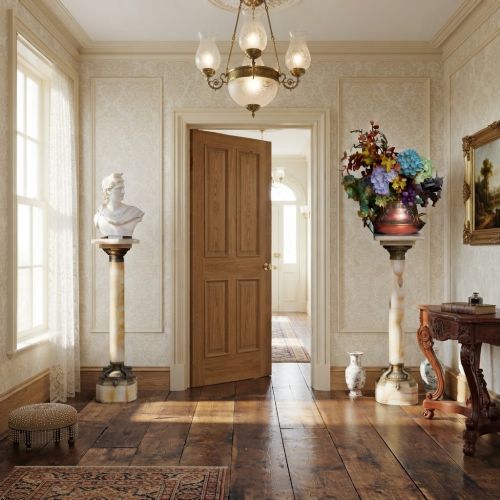
- A tall stand or pedestal originally designed to hold a torch or candle. In later periods, these served primarily to elevate floral arrangements or sculptural busts.
- Campana urn
- A bell-shaped vessel with flared rims and looped handles derived from classical antiquity. These forms frequently appear mounted atop marble plinths.
- Spelter
- A zinc alloy cast into decorative figures and urns during the nineteenth century. It provides a cheaper alternative to bronze and usually receives a faux bronze or painted finish.
- Neoclassical
- A revival style drawing inspiration from classical Greek and Roman art. Characteristics include strict symmetry, architectural columns, and restrained decorative motifs.
Antique French Plinth: Frequently Asked Questions
What were antique French plinths used for?
These architectural supports held bronze sculptures, decorative urns, and clocks within nineteenth-century interiors. They elevated important objects to eye level for proper display.
Collectors also utilised them as standalone decorative columns or torcheres in grand reception rooms.
How do you style an antique plinth at home?
Place a contrasting bronze sculpture, marble bust, or ceramic vase on the top surface to create a strong vertical focal point. Ensure the weight of the object matches the load-bearing capacity of the column.
Position freestanding columns in corners or hallways where their architectural form can be appreciated from multiple angles.
How do I identify the period of a marble column?
Nineteenth-century examples frequently incorporate ormolu collars and specific stone varieties like verde antico or rouge marble that reflect neoclassical tastes. Turn-of-the-century pieces often show simpler geometric turnings.
Examine the underside of the base and the joinery methods where metal mounts meet the stone to gauge manufacturing techniques.
What is the difference between bronze and spelter plinth figures?
Bronze offers heavy weight, deep natural patination, and sharp cast detail that endures centuries of handling. Spelter is a softer, lighter zinc alloy that tends to feel cooler and lighter.
Spelter figures often display painted surface treatments rather than true chemical patinas.