

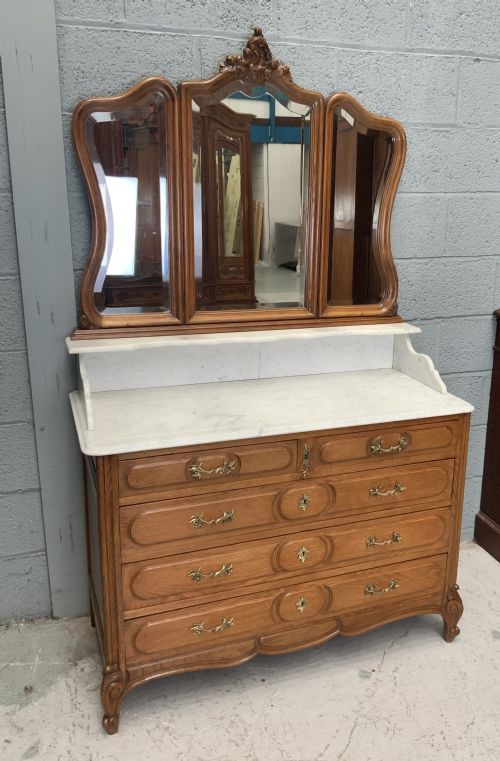


Antique French Oak Desk
An antique french oak desk brings solid timber and functional elegance to a study, offering sturdy drawers and writing surfaces shaped by provincial craftsmanship.
Antique French Oak Desk
An antique french oak desk sits at the intersection of robust utility and regional stylistic tradition. When searching this phrase, buyers encounter pieces spanning the eighteenth, nineteenth, and early twentieth centuries, reflecting both rural and urban workshops.
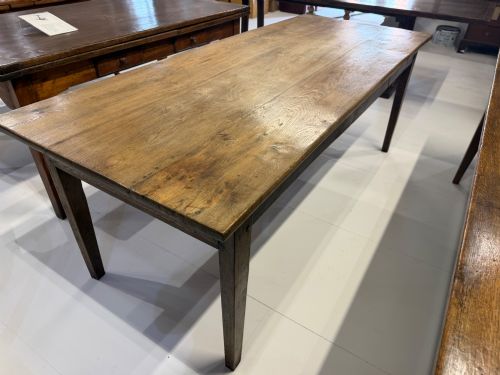
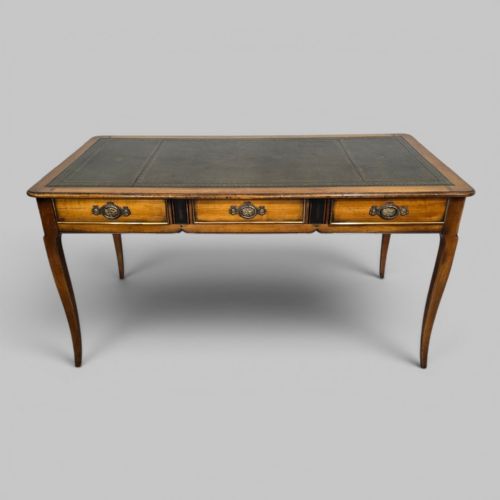
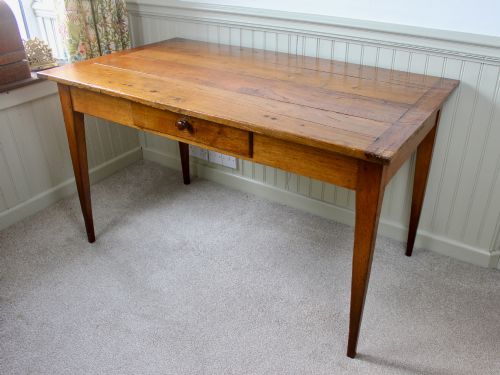
The most common forms on this page include partners library desks, writing tables, and freestanding bureau formats. These pieces often incorporate practical drawers and deep writing surfaces suited for daily administration.
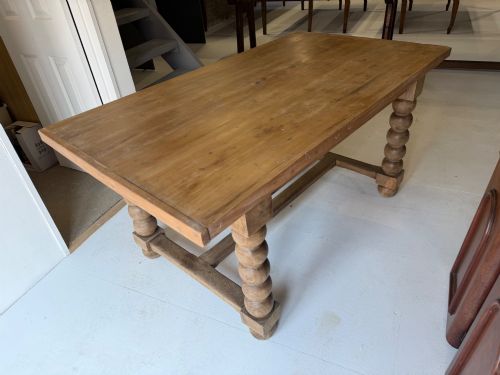
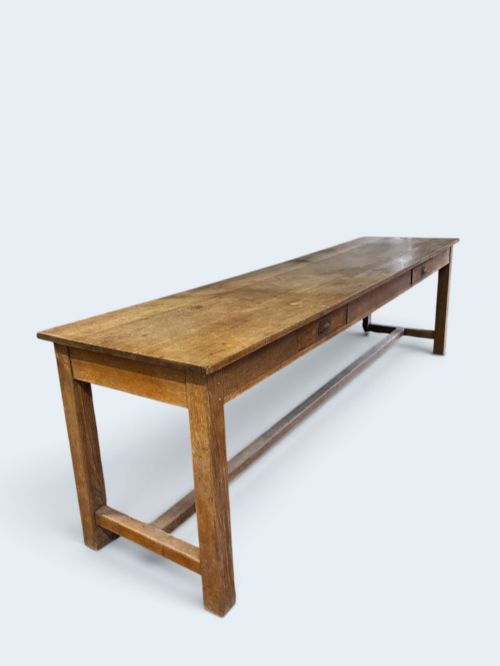
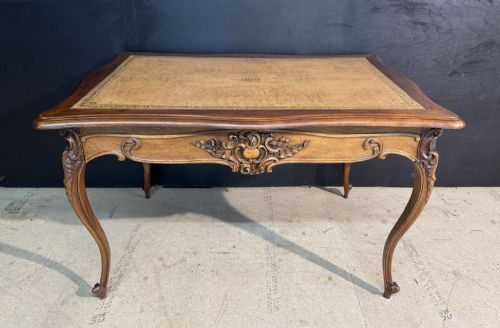
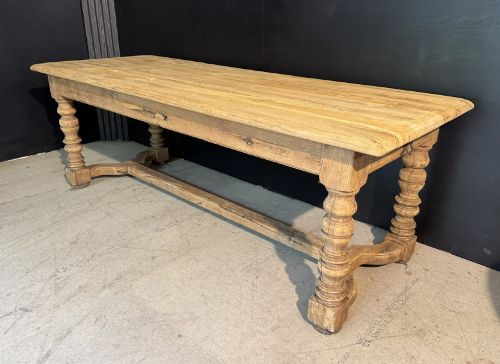
Origins range from provincial farmhouses to formal chateaux, meaning proportions vary from simple trestle-style boards to heavily carved rococo writing desks. Oak remains the primary structural timber, frequently paired with brass or iron hardware.
Materials and construction methods
Construction relies heavily on solid oak timber, selected for its density and durability. Joinery methods typically involve traditional mortise and tenon frames, securing the heavy tops to sturdy legs without modern adhesives.
Secondary materials such as brass, iron, and leather appear frequently in handles, hinges, and writing inserts. Timber surfaces are often hand-planed, leaving subtle tool marks that reveal the manual effort behind each piece.
Listings span from the eighteenth century through the 1930s, featuring materials such as oak, brass, iron, and leather.
Factors determining quality
The distinction between ordinary and exceptional pieces lies in the crispness of the timber carving and the integrity of the original joints. Superior examples display thoughtful proportions where the grain of the oak is aligned purposefully across the panels and drawers.
Hardware originality also dictates standing; desks retaining their period brass pulls or fitted leather writing surfaces command greater regard. The balance between utilitarian strength and refined decorative moulding separates basic provincial items from high-end cabinet work.
The Antique French Oak Desk Glossary
- Oak
- A hard, heavy timber native to European forests, prized for its durability and prominent grain pattern. It forms the structural core of nearly all pieces listed here.
- Partners desk
- A large double-sided writing table designed for two people to work opposite one another, featuring drawers on both long sides. These items often originate from libraries or administrative offices.
- Provincial
- A design descriptor indicating furniture made in the regions outside major metropolitan centres, characterised by practical forms and regional decorative motifs. French provincial pieces often display simpler lines than their Parisian equivalents.
- Trestle table
- A table construction where the top rests on two or more support frames connected by a horizontal stretcher. This format provides maximum legroom beneath the writing surface.
Antique French Oak Desk: Frequently Asked Questions
How do I date an antique french oak desk?
Dating relies heavily on construction techniques, tool marks, and hardware styles. Hand-cut dovetails and pegged joinery generally point to earlier periods, whereas machine-cut elements indicate later nineteenth or twentieth-century production.
Stylistic cues such as heavy rococo carving or restrained arts and crafts lines further narrow the timeline. Examining the wear patterns on the timber provides additional clues regarding the age of the piece.
What rooms suit an antique french oak desk?
These desks suit home studies, libraries, and open-plan living spaces where natural timber adds warmth. Their finished backs allow freestanding placement in the centre of a room rather than pushing against a wall.
The neutral tones of bleached or natural oak blend seamlessly with both contemporary and traditional interior schemes.
Are these desks suitable for daily work?
Most antique desks provide ample surface area and practical storage drawers for modern writing tasks and laptops. Their robust oak construction ensures they withstand regular daily use.
Buyers should verify the kneehole clearance and writing height to ensure comfort during extended sitting periods.
How should I maintain an oak desk surface?
Maintaining the wood involves dusting regularly with a dry cloth and occasionally applying a quality beeswax to nourish the timber. Avoid placing the desk in direct sunlight or near heat sources to prevent the oak from splitting.
Promptly wiping away liquid spills protects the finish and preserves the natural grain of the wood.