


Antique French Glass Jar
An antique french glass jar brings utility and beauty together through pressed, blown, and etched designs that span apothecary vessels to delicate powder boxes.
Antique French Glass Jar
When you search for an antique french glass jar, you encounter a diverse array of domestic and apothecary vessels spanning the nineteenth century up to the art deco period. These pieces encompass utilitarian storage, decorative dressing table boxes, and large display forms originating from French workshops.
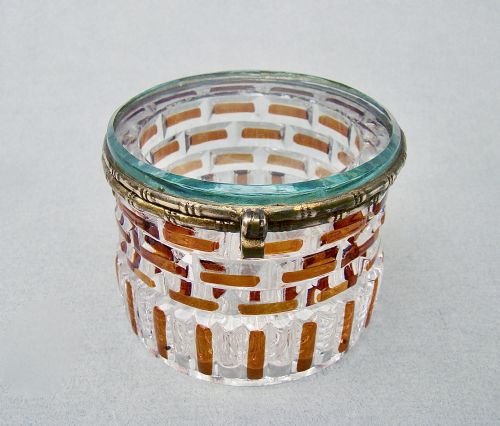
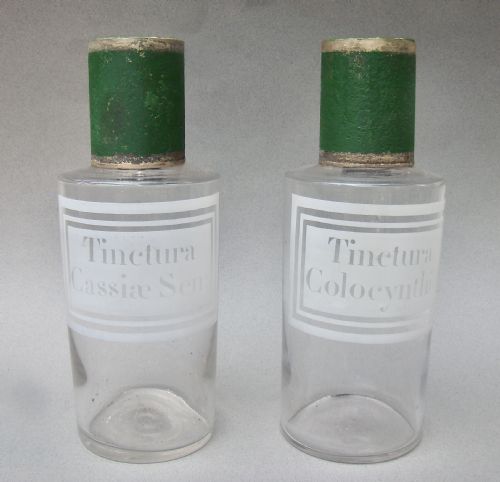
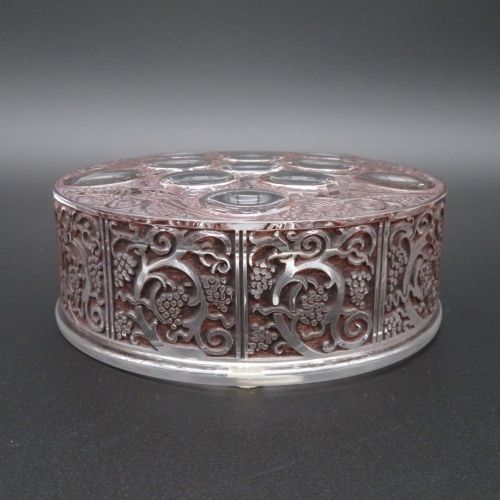
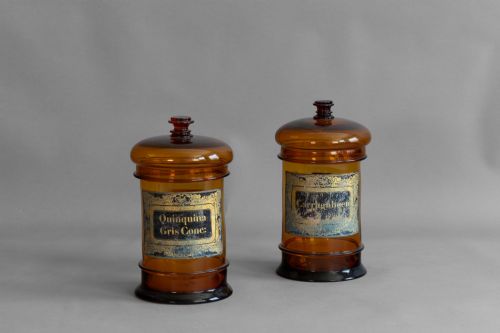
The domestic forms on this page frequently appear as trinket boxes, powder boxes, and sugar bowls, alongside functional apothecary jars and pickling jars. Makers utilised distinct techniques ranging from simple blown glass to complex cameo glass and enamel decoration.
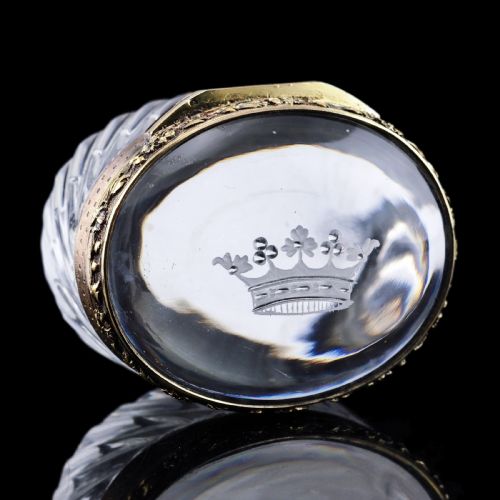
Victorian and nineteenth century examples dominate the selection, often featuring brass mounts, silver gilt, or delicate surface decoration. Buyers find both intimate dressing table accessories and robust utility jars among the listed objects.
Qualities That Separate the Range
The distinction between standard utility vessels and fine collector pieces lies in the precision of the glasswork and the complexity of surface decoration. Elaborate enamel painting, deep etching, and specialised glass coloration such as flashed amber or layered cameo raise a piece above basic production.
The quality of associated mounts and closures also defines the hierarchy. Secure brass fittings, silver gilt hardware, and designated maker signatures distinguish superior luxury dressing table boxes from unmarked utilitarian jars.
The listings show nineteenth-century French glass ranging from utilitarian apothecary jars to delicate dressing table boxes decorated with enamel and brass mounts.
Baccarat·Rene Lalique·Galle
The Antique French Glass Jar Glossary
- Apothecary jar
- A medicinal vessel utilised for storing herbs, chemicals, or leeches in nineteenth century pharmacies. These pieces often feature etched labels or matching fitted lids.
- Cameo glass
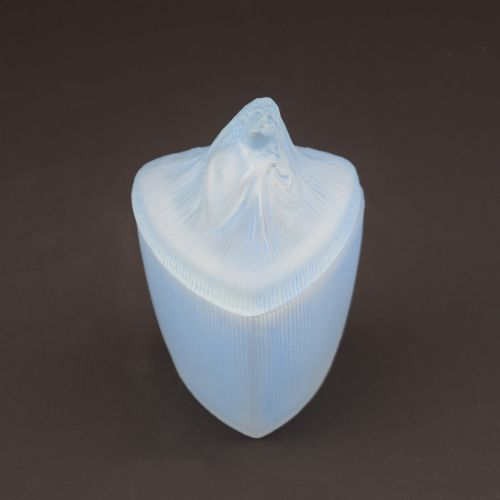
- A luxury technique involving multiple layers of coloured glass carved away to create a raised relief design. This method appears prominently on art nouveau vases and select decorative pieces.
- Latticinio
- A type of glasswork incorporating fine opaque white or coloured glass threads embedded within clear glass. It creates delicate network patterns visible in bowls and decorative vessels.
- Clichy glass
- Glassware produced in the nineteenth century French town renowned for high quality paperweights and decorative vessels. Pieces often display distinctive colour palettes and cane work.
- Carboy
- A large, bulbous glass container traditionally used for transporting liquids. These heavy vessels frequently appear in sets and represent utilitarian French production.
Antique French Glass Jar: Frequently Asked Questions
What were apothecary jars used for?
Apothecary jars served as storage containers for dry drugs, liquids, and medicinal leeches within nineteenth century pharmacies and dispensaries. Their heavy glass construction protected contents from moisture and light.
Over time, these functional containers transitioned into decorative interior objects valued for their tactile glass surfaces and period labels.
How do I identify a dressing table jar?
Dressing table jars typically manifest as small trinket or powder boxes designed to hold cosmetics, pins, or jewellery on nineteenth and early twentieth century vanity tables. They frequently incorporate precious metal mounts, enamel work, or coloured glass.
Unlike utility jars, these vanity items prioritize decorative refinement and delicate scale, often bearing signatures from notable glass houses.
What is the difference between a carboy and a pickling jar?
Carboys are large, narrow-necked glass vessels designed for holding substantial volumes of liquids safely during storage and transport. Pickling jars, such as French bocal containers, feature wider mouths suited for preserving foods.
While both serve utilitarian purposes, carboys prioritize high-capacity liquid containment, whereas pickling jars provide accessible access for food preservation.
How should I clean antique glass?
Cleaning antique glass requires gentle hand washing with lukewarm water and mild soap to preserve surface patinas, enamel work, and metal mounts. Harsh chemical cleaners and abrasive cloths should remain strictly avoided.
Pieces with paper labels or delicate metal hinges need particular care to prevent moisture damage during maintenance.