


Antique French Glass Bottle
An antique french glass bottle brings together tactile moulded or blown vessels, often mounted in silver or ormolu, designed for scent, medicine, or table use.
Antique French Glass Bottle
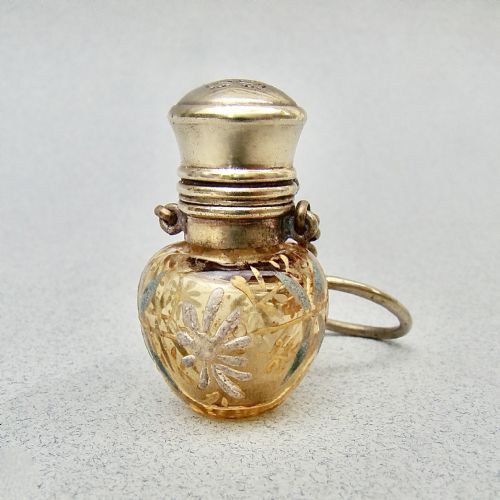
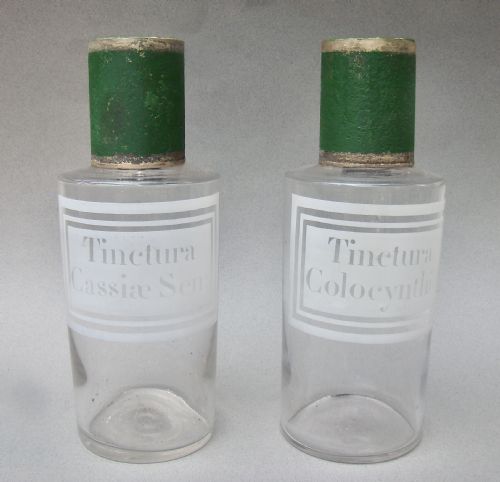
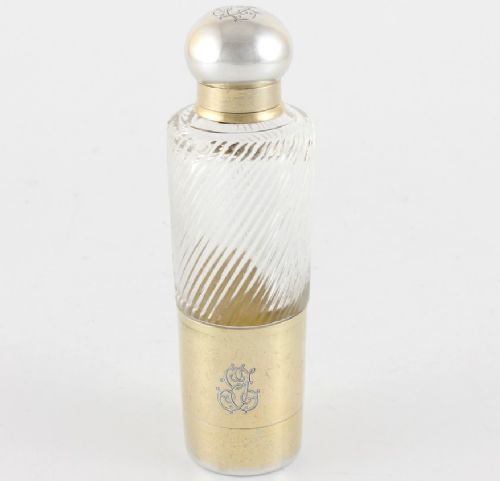
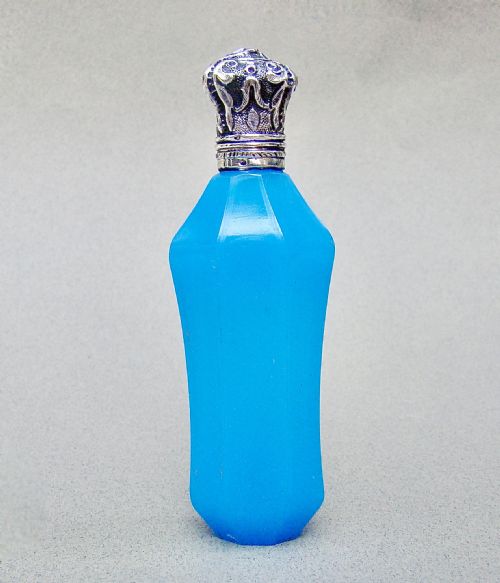
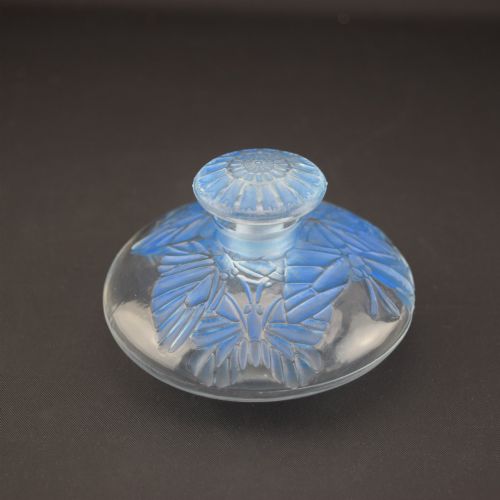
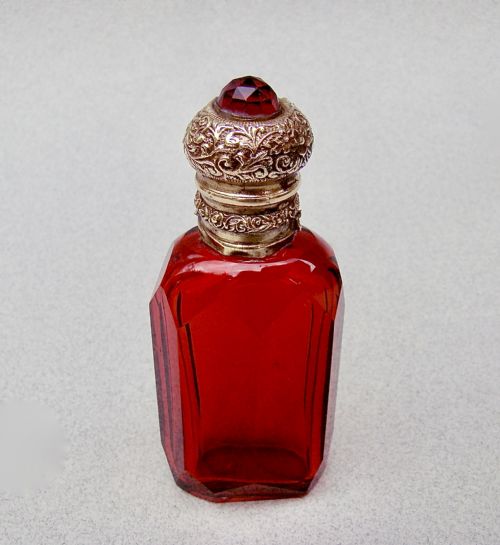
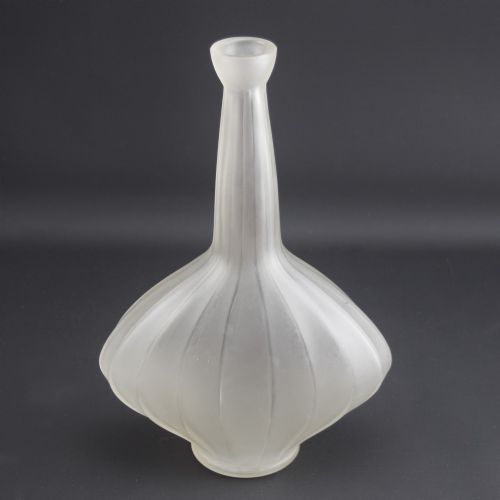
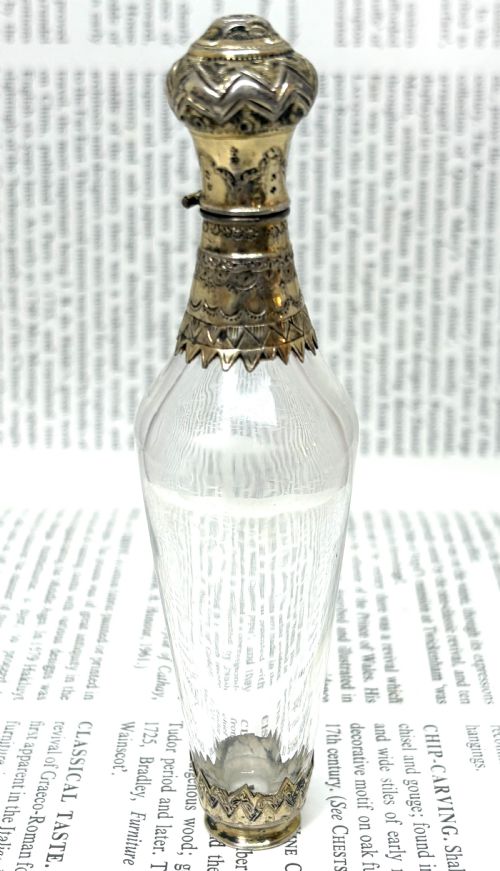
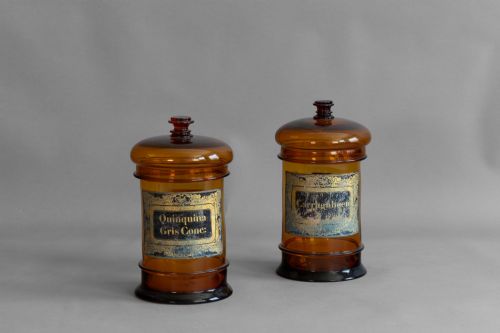
When searching for an antique french glass bottle, collectors encounter a diverse range of domestic and personal vessels spanning the eighteenth, nineteenth, and early twentieth centuries. The selection encompasses diminutive chatelaine scent flasks, heavy apothecary jars, table decanters, and moulded perfume bottles from the art deco and art nouveau periods. Nineteenth-century examples frequently feature ornate metal mounts, whilst twentieth-century pieces showcase the sculptural moulded forms characteristic of modernist design.
Materials and technique
Makers utilised free-blown, mould-blown, and cut crystal techniques to shape the body of each vessel, often employing layered or cased glass to achieve rich colour saturation in ruby, amethyst, amber, or blue. Opalescent and frosted glass became prominent in later decades, manipulated to catch the light and accentuate moulded reliefs. Surface decoration relied on acid-etching, enamel painting, and silver overlay applied directly to the glass surface.
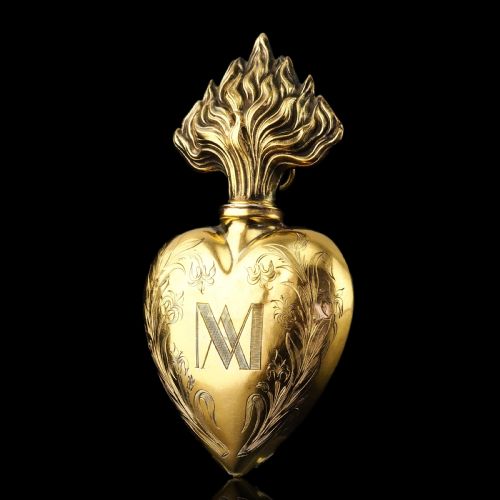
Metalwork played an integral role in finishing these vessels, with sterling silver, silver gilt, ormolu, and brass used for hinged caps, collars, and chatelaine chains. Guilloche enamel and carved bone further augmented personal scent flasks, whilst apothecary jars featured painted paper labels or direct enamelling to denote contents. The union of glassmaker and metalworker defined the workshop output of nineteenth-century France.
Some nineteenth-century ladies carried tiny glass bottles on their belts just in case the ballroom air grew too oppressive.
Assessing craftsmanship
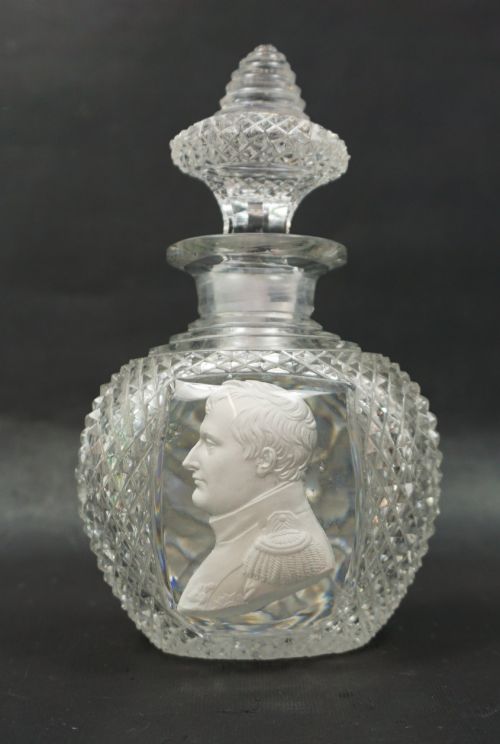
Quality in these pieces is dictated by the precision of the glass cutting, the depth of the overlay, and the intricacy of the metal mounts. Superior vessels exhibit crisp mould seams, perfectly fitted stoppers, and heavy, clear metalwork rather than thin, pressed alternatives. The presence of delicate hand-painted enamel or complex sulphide portraits elevates a piece significantly above standard commercial production.
The reputation of the workshop or glasshouse also governs the tier of the object. Master glassmakers utilised superior chemical formulations to achieve specific opalescent qualities or deep colour hues, whilst specialist silversmiths provided hallmarked mounts that secured the structural integrity of the bottle. Harmony between the glass body and its decorative casing remains the ultimate indicator of superior origin.
Rene Lalique·Moser Glass·Tonnel Paris
The Antique French Glass Bottle Glossary
- Ormolu
- Gilded bronze or brass mounts frequently found securing the collars and bases of nineteenth-century French glass. The technique involves applying a mercury-gilding process to produce a rich metallic sheen.
- Chatelaine
- A decorative belt hook worn by women, suspended with functional items including scent bottles, keys, and sewing implements. These miniature bottles were designed specifically for suspension on a chatelaine chain.
- Sulphide
- A small white cameo plaque, usually made of ceramic or porcelain paste, embedded within the crystal glass during manufacture. They often portray prominent historical figures such as Napoleon.
- Guilloche
- An intricate mechanical engraving technique producing precise, repeating geometric patterns beneath a translucent enamel layer. It is commonly observed on twentieth-century vanity items and perfume bottle caps.
- Cased glass
- A vessel constructed from two or more distinct layers of glass, often in contrasting colours, allowing artisans to carve through the outer layer to expose the base colour beneath.
Antique French Glass Bottle: Frequently Asked Questions
How do I date an antique french glass bottle?
Dating relies heavily on stylistic markers, manufacturing techniques, and any accompanying metal hallmarks stamped on the silver or ormolu mounts. Nineteenth-century examples often favour heavy overlay and elaborate hand-enamelling, whereas twentieth-century pieces typically display moulded signatures and modernist geometric forms.
Examining the pontil mark on the base also helps determine age. Hand-blown vessels generally exhibit a rough pontil scar where the blowpipe was detached, whereas later production methods often polished this area completely smooth.
Were all these bottles meant for perfume?
Whilst many surviving examples are personal scent flasks or vanity bottles intended for dressing tables, the category encompasses a wide variety of functional glass vessels. Apothecary jars, pickling containers, carboys, and table decanters served entirely domestic or medicinal purposes.
Larger jars and carboys held liquids or dry goods in a commercial or household dispensary, whilst decanters were strictly reserved for wine and liqueurs at the dining table. The physical scale and presence of stoppers usually clarify the intended contents.
What is the difference between opaline and opalescent glass?
Opaline glass is an opaque or semi-translucent material developed in nineteenth-century France, often produced in striking pastel shades like turquoise, pink, or white. It has a solid, milky appearance that completely obscures the contents of the vessel.
Opalescent glass, by contrast, is typically transparent or semi-translucent with a milky, blue-toned glow that appears when light strikes the surface at certain angles. This technique was heavily utilised by twentieth-century glassmakers to highlight moulded sculptural reliefs.