






Antique French Genre Artwork
Antique french genre artwork captures everyday scenes of domestic life, historical episodes, and social gatherings rendered by skilled painters.
Antique French Genre Artwork
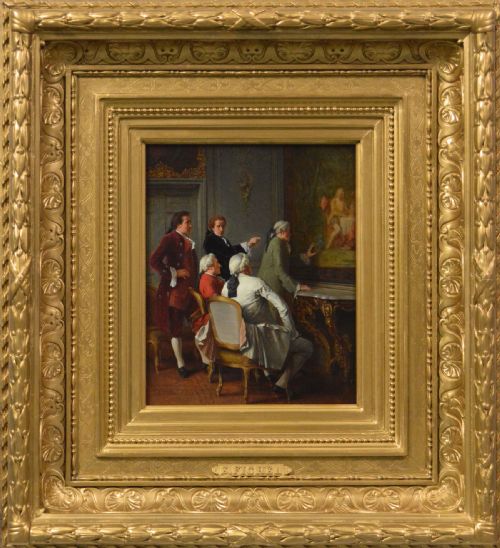
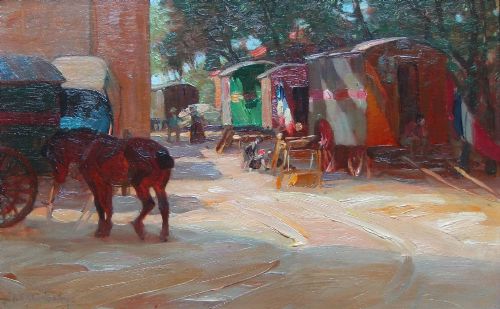
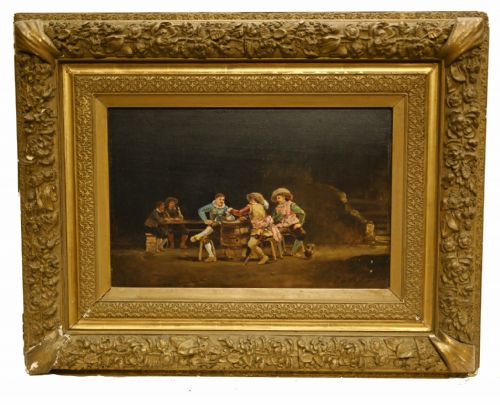
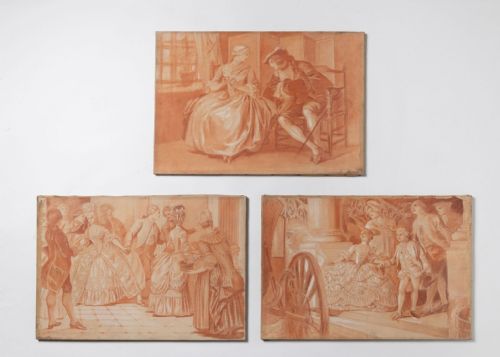
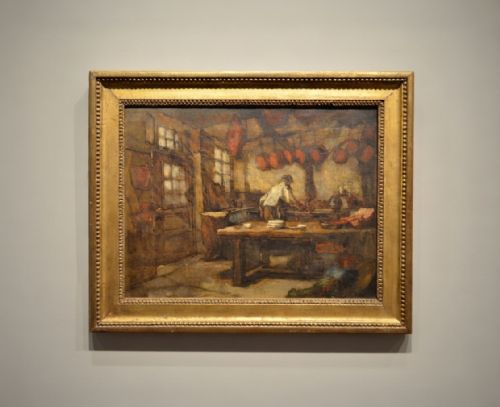
When searching for antique french genre artwork, collectors encounter pictorial representations of daily activities, domestic interiors, and narrative historical moments created during the nineteenth and early twentieth centuries. These pieces record human interactions, ranging from quiet kitchen scenes and tavern gatherings to courtly tea parties in opulent settings.
The selections available on this page most frequently take the form of oil paintings on canvas or panel, alongside watercolours and works on paper. They reflect diverse stylistic movements such as academic historicism, realism, and impressionism, anchored by origins in French workshops and salons.
Materials and Construction
The works utilise oil paint applied to woven canvas stretched over wooden frames, or directly onto prepared wooden panels and paper supports. Brushes build up pigment to render fine details of costume, facial expression, and interior light.
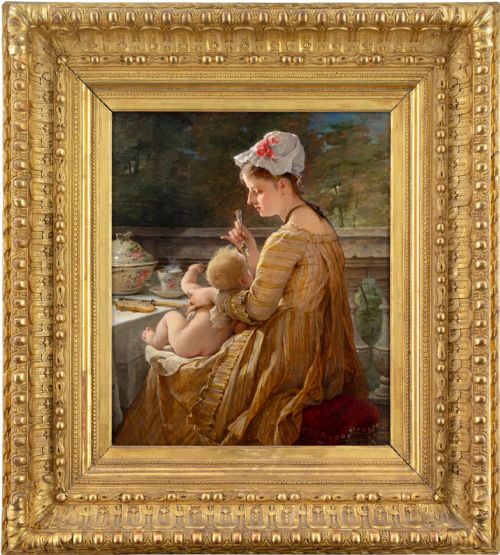
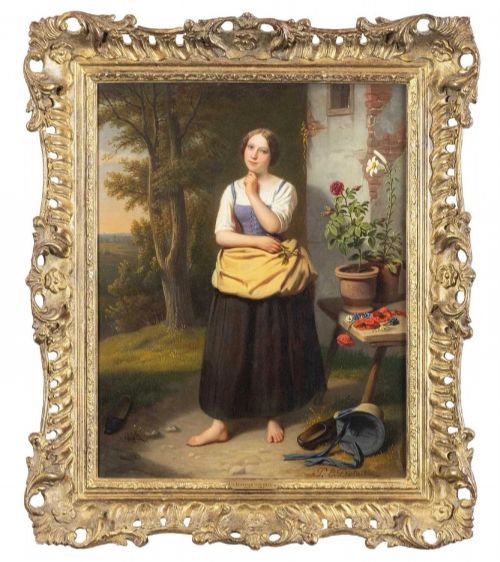
Many surviving pieces retain their original or period frames constructed from wood and finished with carved, moulded, or gilded gesso known as giltwood.
Antique French Genre Artwork Retail Price Guide 2026
Typical asking prices for french genre artwork among the pieces listed under this phrase on Sellingantiques today, from the lower quarter to the upper quarter. They describe what is for sale here now, not the wider market.
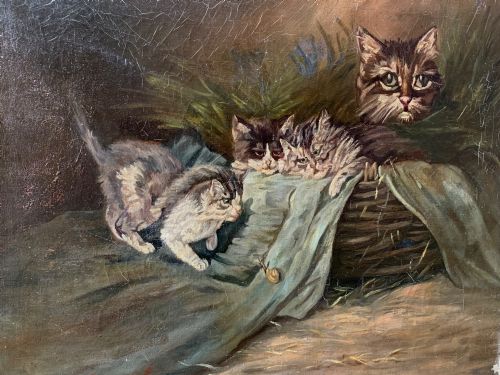
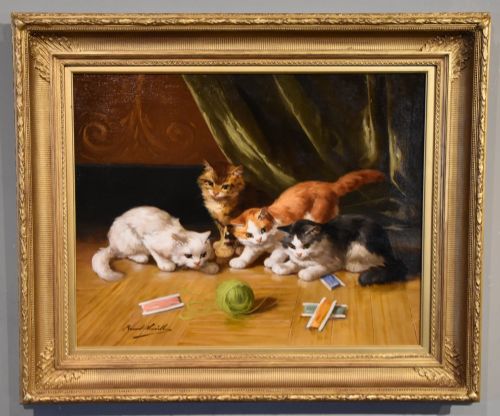
Several canvases record mischievous domestic animals, capturing kittens at play and dogs meddling in kitchen preparations.
Distinctions in Quality
The upper tier of these works demonstrates superior draughtsmanship in the rendering of hands, fabrics, and psychological interaction between figures. Compositional balance and the handling of ambient light within interior or exterior settings separate masterworks from more formulaic workshop output.
The preservation of the original paint layer, minimal intervention from later restoration, and the presence of period framing contribute significantly to the standing of an individual piece.
Adelaïde Salles-Wagner·Alfred Arthur Brunel de Neuville·Charles Zacharie Landelle·Théophile Emmanuel Duverger·Adolphe Alexandre Lesrel
The Antique French Genre Artwork Glossary
- Genre painting
- A category of art depicting scenes from ordinary life, domestic interiors, and everyday human activities rather than grand historical or mythological subjects.
- Chiaroscuro
- An artistic technique employing strong contrasts between light and dark to give a sense of volume to figures and objects within a painted scene.
- Academic
- Pertaining to the traditional style, rules, and standards taught by European art academies and promoted through official salon exhibitions.
- Giltwood
- Wood that has been coated with a thin layer of gold leaf or gold paint, frequently utilised for decorative antique picture frames.
- Salon
- An official art exhibition held periodically by the Académie des Beaux-Arts in Paris, which served as the primary venue for exhibiting ambitious works.
Antique French Genre Artwork: Frequently Asked Questions
What subjects appear in genre artwork?
These pieces depict everyday human activities, ranging from kitchen preparations and card games to historical costumed figures and elegant social gatherings.
Artists drew inspiration from both rustic village life and refined interior scenes set within palaces.
How were these paintings displayed originally?
Works of this scale were framed in substantial wooden or giltwood mouldings designed to complement domestic interior decoration in nineteenth-century salons and parlours.
They served as conversational centrepieces for collectors and homeowners of the period.
How do I identify the period of a painting?
Dating relies upon stylistic markers, clothing styles of the depicted figures, signatures of recorded artists, and physical evidence such as canvas stretchers and panel preparation.
Many pieces carry specific dates or reflect the prevailing academic and realist movements of the eighteen-hundreds.
Are these works painted on canvas?
The listings feature oil paint applied to traditional woven canvas as well as solid wooden panels and paper supports.
Watercolour is also utilised for works on paper framed behind glass.