



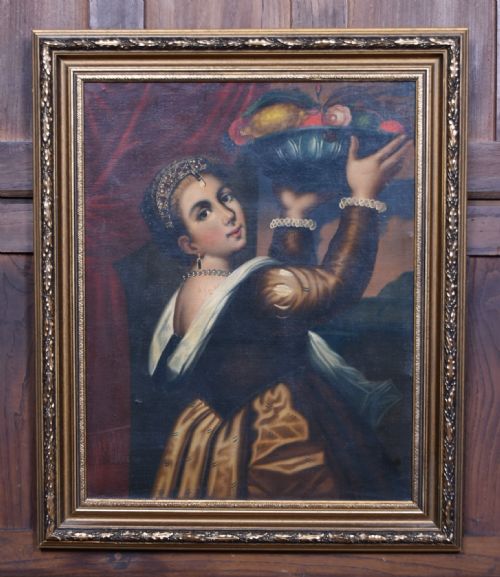
Decorative Wall Art Canvas
These decorative wall art canvas pieces bring centuries of oil painting and hand-painted panels into domestic spaces, prized for their rich textures and historical depth.
Decorative Wall Art Canvas
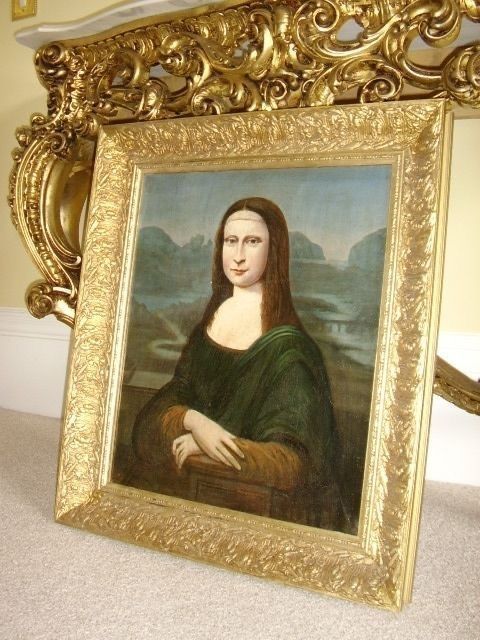
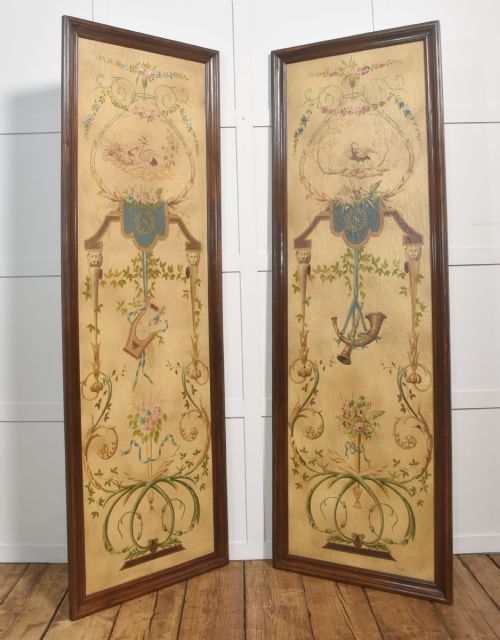
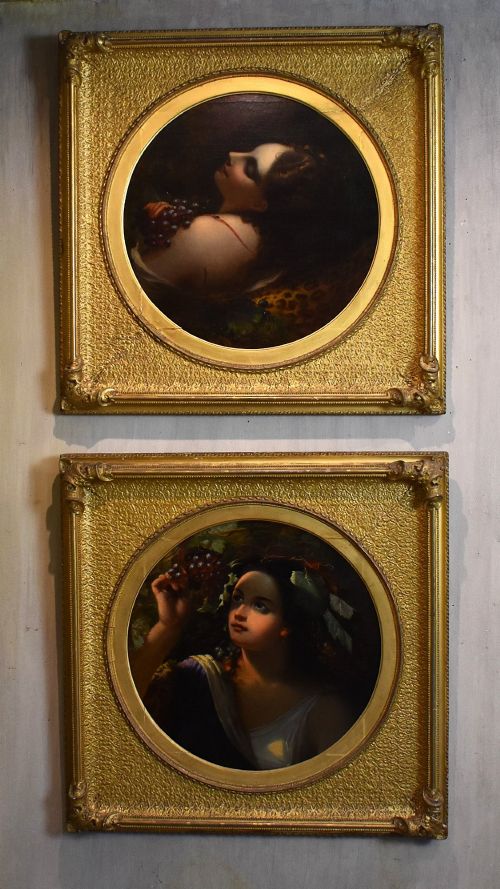
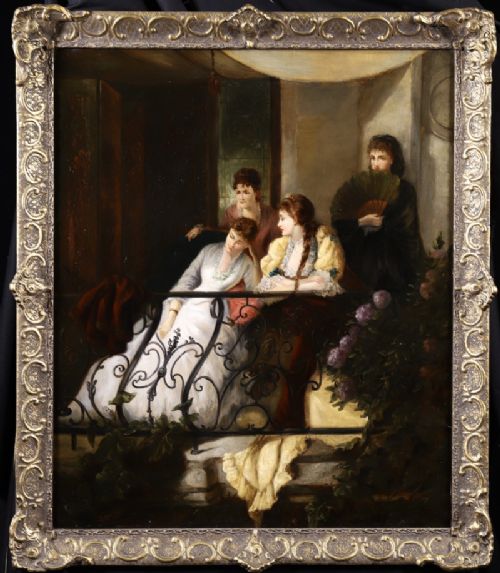
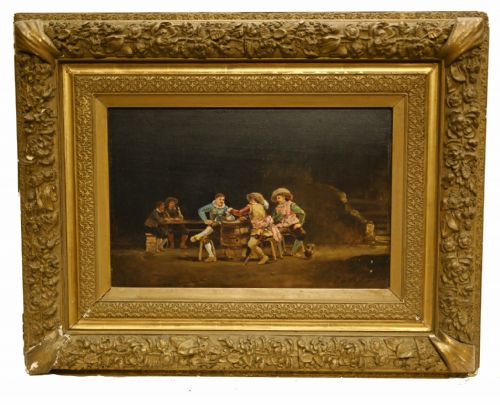
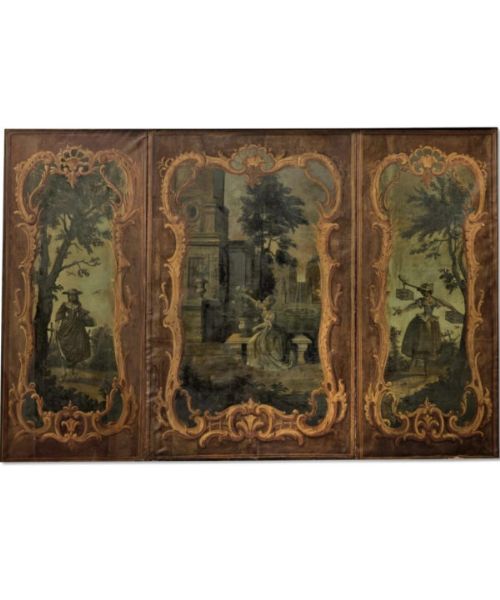
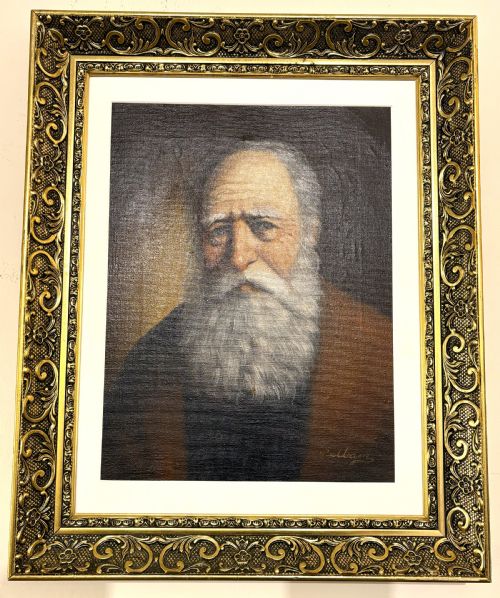
A decorative wall art canvas encompasses oil paintings, wall panels, and framed portraits spanning multiple centuries. These works range from grand grisailles and triptychs to intimate still life compositions and pastoral scenes.
Buyers are most likely to encounter 19th-century canvases and painted panels alongside 18th-century compositions and mid-century works. These pieces often serve as focal points within a room, offering narrative and visual weight.
The selection includes specific regional traditions such as French decorative panels, British portraits, and Dutch landscapes. Each piece functions as a primary element of interior decoration and historical fine art.
Materials and methods
The primary structural elements combine canvas supports with wood frames and stretcher bars. Many works utilise oil paint or tempera applied directly to woven canvas or prepared wooden panels.
Surfaces frequently feature decorative treatments including gilt wood, gilded wood, and hand-applied pigments. Master painters employed chiaroscuro and detailed brushwork to build depth and atmospheric tone.
Decorative Wall Art Canvas Retail Price Guide 2026
Typical asking prices for decorative wall art canvas among the pieces listed under this phrase on Sellingantiques today, from the lower quarter to the upper quarter. They describe what is for sale here now, not the wider market.
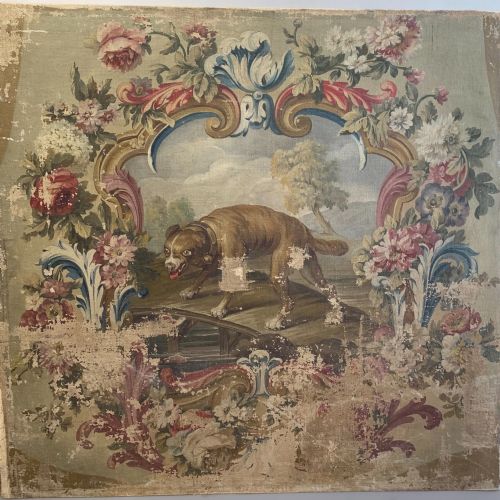
Several canvases depict animals participating in human scenes, including ducklings on river banks and playful cherubs.
Aspects of quality
Quality rests upon the execution of the brushwork and the stability of the canvas and underlying stretcher. Finer pieces demonstrate confident handling of light, shadow, and anatomical or spatial proportion.
The integrity of the original surface, including the condition of the oil paint and any gilt wood framing, distinguishes superior examples. Historical provenance and attribution to documented artists further elevate the standing of a work.
Theodore Jensen·Stuart Armfield·Constant Ludovic Artz·Frank Myers Boggs·John Gilroy
The Decorative Wall Art Canvas Glossary
- Grisaille
- A painting executed entirely in shades of grey or neutral greyish-brown. This technique often mimics the appearance of relief sculpture or stone carving.
- Chiaroscuro
- The treatment of light and shade in a drawing or painting. It creates dramatic spatial depth and three-dimensional volume through strong contrast.
- Triptych
- A picture or relief carving on three panels hinged together side by side. These works traditionally display a central image flanked by two smaller folding wings.
- Trompe L'oeil
- An art technique that uses realistic imagery to create the optical illusion that the depicted objects exist in three dimensions. It plays with perception and space.
- Temperas
- A permanent, fast-drying painting medium consisting of coloured pigment mixed with a water-soluble binder material. It yields a matte, durable finish.
Decorative Wall Art Canvas: Frequently Asked Questions
How do I hang a heavy canvas painting?
Heavy oil on canvas works require secure wall fixings distributed evenly across the primary wooden frame or stretcher bars. It is essential to anchor directly into wall studs or utilise appropriate masonry fixings.
Ensure the hanging wire or brackets match the weight capacity of the artwork. Professional framing support helps maintain the tension of the canvas over time.
What rooms suit large wall panels best?
Large painted panels and triptychs find a natural home in reception rooms, hallways, and dining spaces with high ceilings. Their scale demands unbroken wall space to display the narrative composition fully.
Placing these works away from direct sunlight preserves the oil paint and gilded wood. Stable ambient temperatures prevent warping in both the canvas and the wooden support.
How do I clean an antique canvas?
Dust accumulation on canvas surfaces should be managed gently with a soft, dry brush. Moisture and household cleaning agents must be avoided to prevent damage to the oil paint.
Professional conservators should handle deeper cleaning, varnishing, or canvas tightening. Intervention by untrained hands risks removing original pigment layers.
How do I identify a period frame?
Period frames often display hand-carved wooden details, gesso layers, and authentic patination on gilded surfaces. Construction joints at the corners typically reveal age through traditional joinery methods.
Matching the style of the frame to the era of the canvas provides context, though many pieces were reframed during subsequent centuries.