





Antique French Flower Vase
When you search for an antique French flower vase, you are looking at centuries of decorative glass, porcelain, and metalwork shaped by distinct European design movements.
Antique French Flower Vase
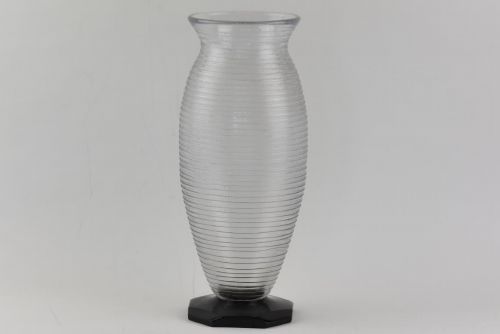
An antique French flower vase encompasses blown glass, moulded crystal, and painted ceramics created across the nineteenth and twentieth centuries. These vessels reflect major shifts in taste, moving from ornate revival styles to organic naturalism and geometric abstraction.
You are most likely to encounter pieces produced during the height of the Art Nouveau period and the subsequent Art Deco era. These works frequently incorporate floral motifs, botanical studies, or stylised interpretations of garden blooms.
The selection also includes mid-nineteenth-century opaline glass and faience earthenware, demonstrating the diverse output of French ateliers and glasshouses. Each period brings distinct manufacturing techniques and decorative vocabularies to the table.
Assessing Quality
Quality rests upon the crispness of the moulding, the precision of the surface engraving, and the complexity of the glass layering. Superior pieces display deliberate control in acid-etching and meticulous hand-finishing on enamelled or gilded details.
The weight of the crystal, the uniformity of the glass walls, and the clarity of signature marks indicate the standing of the atelier. Pieces that maintain structural balance alongside intricate surface decoration represent the upper tier of production.
Antique French Flower Vase Retail Price Guide 2026
Typical asking prices for french flower vase among the pieces listed under this phrase on Sellingantiques today, from the lower quarter to the upper quarter. They describe what is for sale here now, not the wider market.
Listings feature pieces spanning from the mid-nineteenth century through the nineteen fifties, encompassing Frosted Glass, Cameo Glass, Enamel, and Bronze.
René Lalique·Emile Gallé·Daum Nancy·Le Verre Francais·Schneider
The Antique French Flower Vase Glossary
- Cameo glass
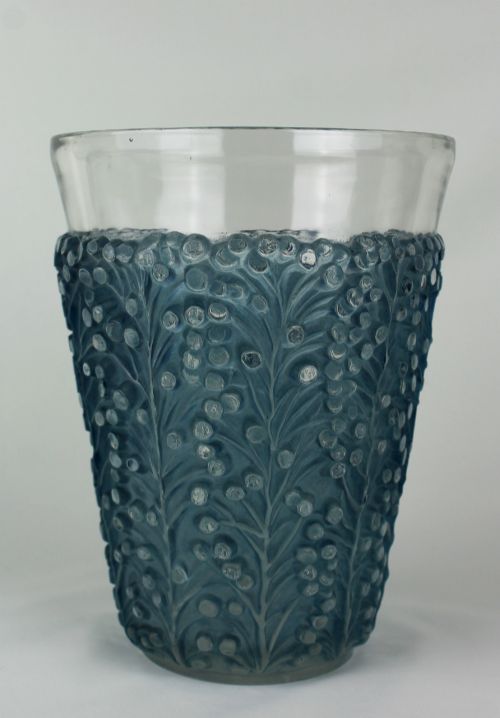
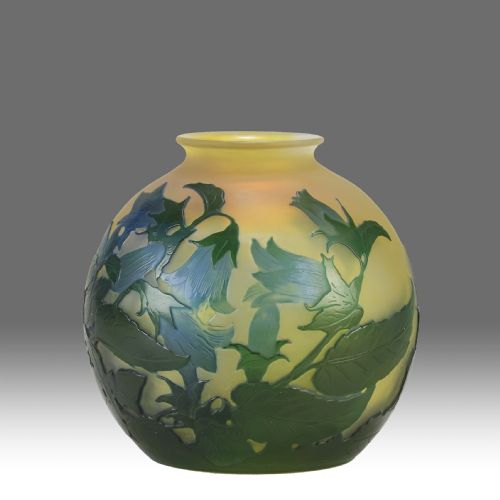
- A vessel formed of two or more distinct layers of coloured glass fused together, where outer layers are carved or acid-etched away to reveal a contrasting design.
- Opaline glass
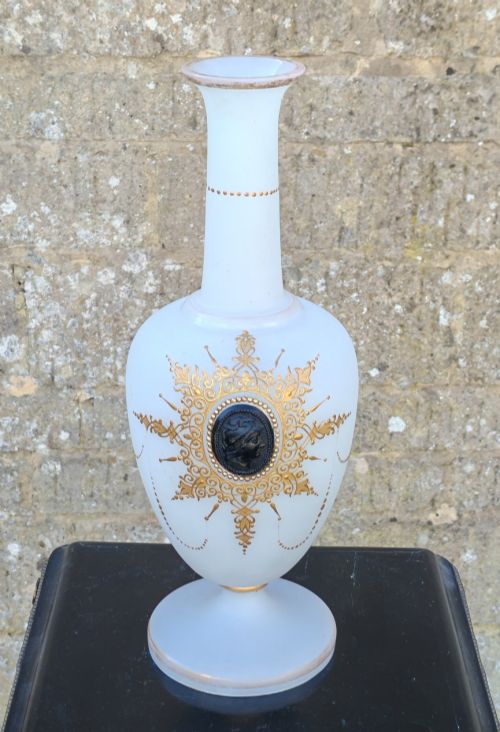
- An opaque or translucent glass developed in nineteenth-century France, frequently coloured in soft pastel shades and finished with enamel or gilt decoration.
- Cloisonné
- A decorative technique where thin metal wires are soldered to a metal body to create compartments, which are then filled with enamel paste and fired.
- Epergne
- A large ornamental centrepiece, typically featuring a central vase surrounded by smaller detachable matching vessels for holding flowers or fruit.
- Faience
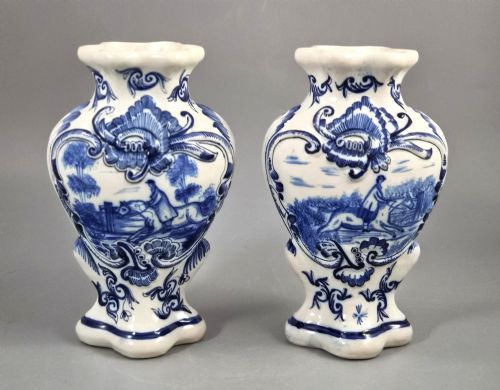
- Tin-glazed earthenware produced in France, known for its hand-painted blue and white or polychrome floral decoration.
Antique French Flower Vase: Frequently Asked Questions
Were these vases meant for daily use?
Many nineteenth and twentieth-century pieces served as decorative garnitures or centrepieces rather than functional vessels for fresh water.
Using them for delicate blooms requires care to protect interior patination and historic glass surfaces.
How can I date an Art Nouveau glass vase?
Examine the signature style, as artists like Gallé and Daum altered their cameo signatures alongside stylistic shifts around nineteen hundred.
Consider the weight, colour palette, and floral motifs, which transitioned from naturalistic stems to stylised geometric forms by the nineteen twenties.
What is the difference between opaline and opalescent glass?
Opaline glass is an opaque material popular in mid-nineteenth-century France, often tinted in solid pastel tones of white, blue, or green.
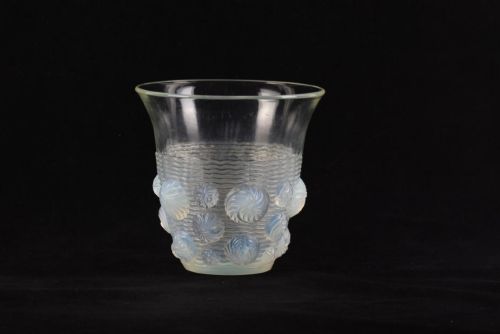
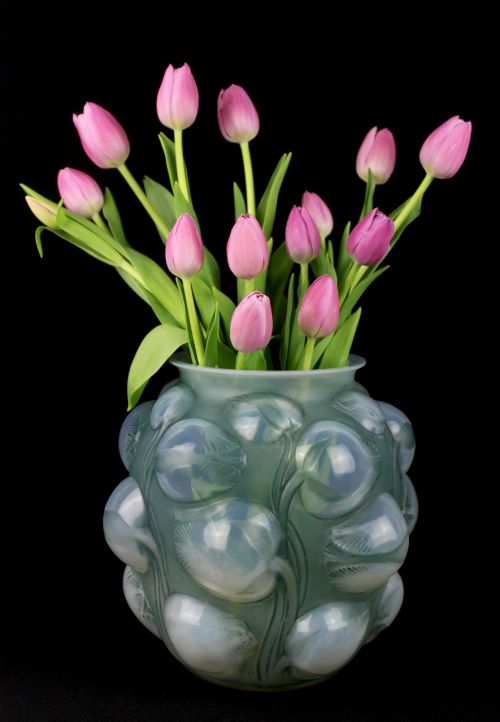
Opalescent glass, favoured by makers like Lalique, is semi-transparent and milk-white, catching a characteristic blue or amber glow when light hits the surface.